
 EN
EN
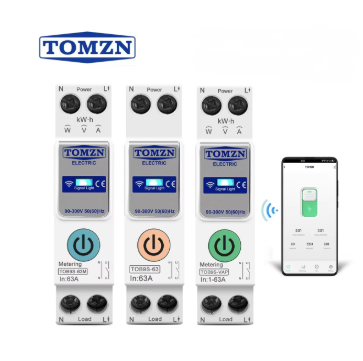
جهاز حماية واي فاي هو جهاز متخصص في أمن الشبكات مصمم لحماية الشبكات اللاسلكية من مختلف التهديدات، ومحاولات الوصول غير المصرح به، والثغرات الأمنية المحتملة التي قد تُضعف سلامة الشبكة. وتُشكِّل هذه الأجهزة حاجزًا أساسيًّا بين بنية شبكتك اللاسلكية والتهديدات الخارجية، حيث توفر حماية شاملة من خلال آليات متقدمة للمراقبة والتصفية والتحكم في الوصول، مما يساعد على ضمان اتصال آمن لكلٍّ من المؤسسات المستخدمة والمستخدمين المنزليين.
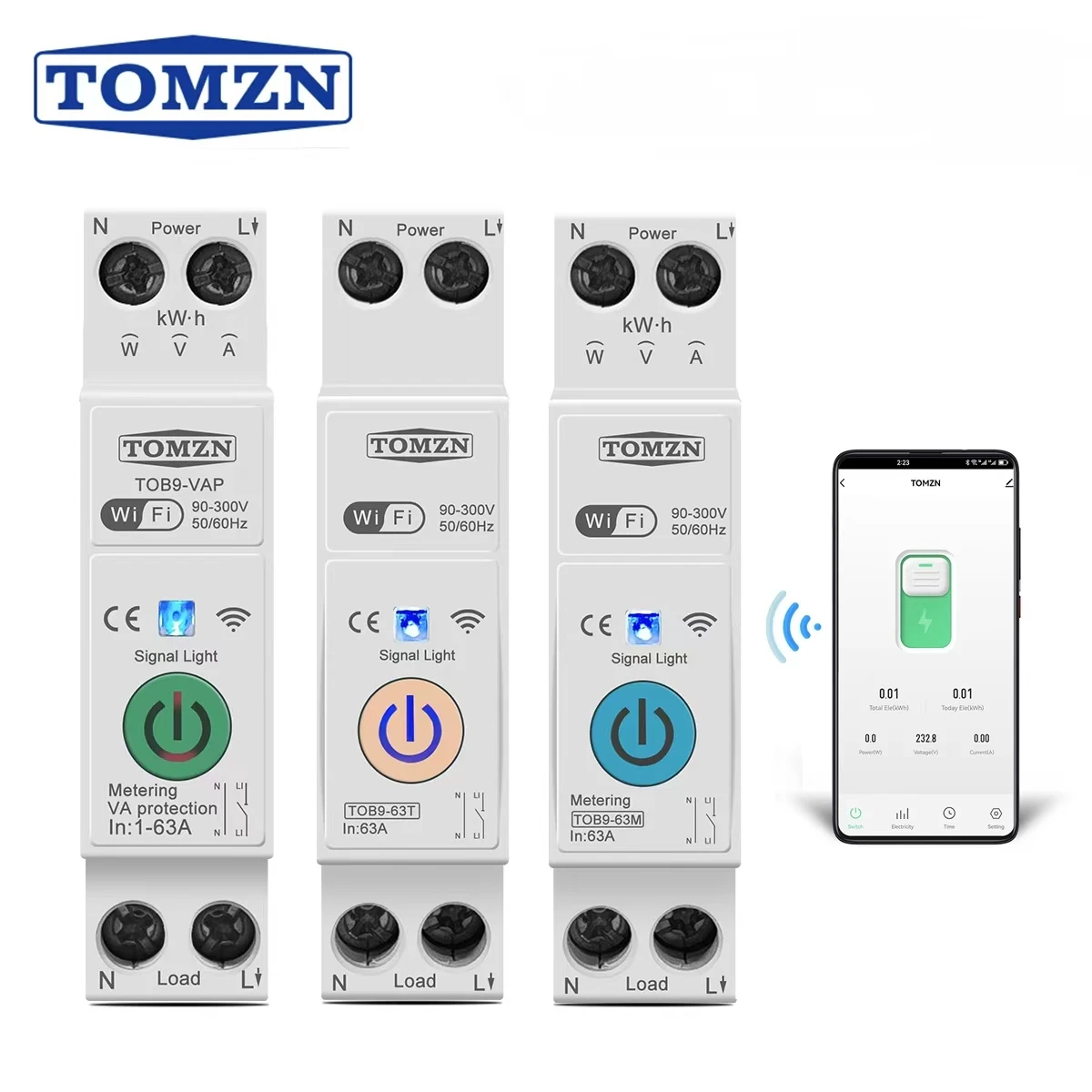
يتطلب فهم طريقة عمل حماية الواي فاي (WiFi Protector) دراسة نهجها المتعدد الطبقات في أمن الشبكة، والذي يشمل كشف التهديدات في الوقت الفعلي، وتحليل حركة المرور، والمصادقة على الأجهزة، وبروتوكولات الاستجابة الآلية. وتتكامل أنظمة حماية الواي فاي الحديثة بسلاسة مع البنية التحتية الحالية للشبكة، مع توفير قدرات مراقبة مستمرة تُحدِّد المخاطر الأمنية المحتملة وتحيّدها قبل أن تؤثِّر على أداء الشبكة أو تُعرِّض لخطر الاختراق نقل البيانات الحساسة عبر الاتصالات اللاسلكية.
المكونات الأساسية وبنية أنظمة حماية الواي فاي (WiFi Protector)
البنية التحتية للأجهزة وقدرات المعالجة
تتمثل أساس أي واي فاي واقي فعّال في هندسته المعمارية القوية من الأجهزة، والتي تشمل عادةً معالجات متخصصة مصممة لفحص الحزم بسرعة عالية، ووحدات ذاكرة مخصصة لتخزين توقيعات التهديدات، وواجهات شبكات متقدمة قادرة على التعامل مع عدة اتصالات متزامنة دون المساس بالأداء. وتتعاون هذه المكونات المادية معًا لضمان قدرة الواي فاي الواقي على معالجة أحجام كبيرة من حركة المرور الشبكية مع الحفاظ على زمن انتقالٍ أدنى ما يمكن وأقصى سعة نقل ممكنة للاتصالات الشبكية المشروعة.
تضم أجهزة حماية الواي فاي الحديثة مكونات من الفئة المؤسسية توفر القدرة الحاسوبية اللازمة لتحليل أنماط مرور حركة الشبكة في الوقت الفعلي، ما يمكّن النظام من التعرف على السلوكيات غير المعتادة، ومحاولات الاتصال المشبوهة، والتهديدات الأمنية المحتملة أثناء وقوعها. وتتيح إمكانيات المعالجة في هذه الأجهزة الاحتفاظ بسجلات شاملة لأنشطة الشبكة مع تنفيذ خوارزميات أمنية معقدة في الوقت نفسه لحماية الشبكات اللاسلكية من التهديدات المعروفة والناشئة على حد سواء.
تكامل البرمجيات وبروتوكولات الأمان
يشمل المكوّن البرمجي لنظام حماية الواي فاي بروتوكولات أمنية متطوّرة، وخوارزميات تعلُّم الآلة، وآليات كشف التهديدات التكيّفية التي تتطور باستمرار لمواجهة التحديات الأمنية الجديدة في مجال شبكات الاتصال اللاسلكية. وتتكامل هذه الأنظمة البرمجية بسلاسة مع أدوات إدارة الشبكات الحالية، وتوفر للمدراء رؤية شاملة عن حالة أمن الشبكة، ومستويات التهديد، والمقاييس الأداء.
تشمل برامج حماية الواي فاي المتقدمة ميزات مثل الاستجابة التلقائية للتهديدات، والسياسات الأمنية القابلة للتخصيص، وقدرات التقارير التفصيلية التي تمكّن مدراء الشبكات من الحفاظ على أفضل وضع أمني ممكن مع تقليل العبء الإداري إلى أدنى حدٍّ ممكن. كما توفر هذه البرمجيات إمكانات التكامل مع أدوات أمن الشبكات الأخرى، ما يخلق نظامًا أمنيًّا موحَّدًا يعزِّز فعالية الحماية الشبكية العامة وكفاءة التشغيل.
آليات أمن الشبكات وطرق الحماية
أنظمة التحكم في الوصول والمصادقة
يُطبِّق حامي شبكة الواي فاي آليات متقدمة للتحكم في الوصول تتحقق من هوية كل جهاز يحاول الاتصال بالشبكة اللاسلكية ومستوى تصريحه. وتتجاوز هذه أنظمة المصادقة الحماية الأساسية بكلمة المرور لتشمل المصادقة متعددة العوامل، وتحديد هوية الجهاز من خلال بصمته الرقمية، والتحليل السلوكي الذي يساعد في التمييز بين المستخدمين الشرعيين والتهديدات الأمنية المحتملة التي تحاول اكتساب الوصول غير المصرح به إلى الشبكة.
ويشمل عملية المصادقة التي يديرها حامي شبكة الواي فاي مراقبة مستمرة للأجهزة المتصلة، مما يضمن أن الأجهزة، بعد منحها الوصول، تظل تفي بمتطلبات الأمان طوال مدة جلسة الاتصال. وتساعد هذه العملية التحققية المستمرة في منع الأجهزة المُخترَقة من الاستمرار في الوصول إلى الشبكة، كما تمكن النظام من الاستجابة بسرعة لأي اختراقات أمنية محتملة أو أنشطة غير مصرح بها داخل بيئة الشبكة.
مراقبة حركة المرور وكشف التهديدات
تمثل مراقبة حركة المرور في الوقت الفعلي وظيفةً بالغة الأهمية لأنظمة حماية الواي فاي، وتشمل تحليلًا مستمرًا لحزم البيانات وأنماط الاتصال وسلوك الشبكة لتحديد التهديدات الأمنية المحتملة والأنشطة الخبيثة أو محاولات الوصول غير المصرح بها. وتمتد هذه القدرة على المراقبة لما هو أبعد من مجرد تحليل حجم حركة المرور لتتضمن فحص الحزم العميق وتحليل البروتوكولات والتعرف على الأنماط السلوكية التي يمكنها كشف الهجمات المتطورة والثغرات الأمنية.
قدرات اكتشاف التهديدات في حماية الواي فاي تستخدم خوارزميات متقدمة وقواعد بيانات استخبارات التهديدات لتحديد توقيعات الهجمات المعروفة واستغلال الثغرات الصفرية (Zero-day) والتهديدات الأمنية الناشئة التي قد تُعرض سلامة الشبكة للخطر. وتوفّر أنظمة الاكتشاف هذه قدرات استجابة تلقائية يمكنها عزل التهديدات وحظر حركة المرور المشبوهة وإرسال تنبيهات إلى المسؤولين عن الشبكة بشأن الحوادث الأمنية المحتملة التي تتطلب انتباهًا فوريًّا.
استراتيجيات التنفيذ وتكامل الشبكة
هندسة النشر وموقع الشبكة
يتطلب التنفيذ الفعّال لجهاز حماية الواي فاي مراعاةً دقيقةً لهندسة الشبكة وأنماط تدفُّق الحركة المرورية والمتطلبات الأمنية لتحديد الموقع الأمثل للجهاز وإعدادات التهيئة. ويجب أن تأخذ استراتيجية النشر في الاعتبار بنية الشبكة ومتطلبات عرض النطاق الترددي والأهداف الأداء لضمان أن يعزِّز جهاز حماية الواي فاي مستوى الأمان دون خلق اختناقات أو مشكلات في الاتصال قد تؤثِّر على تجربة المستخدم أو العمليات التجارية.
يتضمن التموضع الاستراتيجي لأجهزة حماية شبكة الواي فاي داخل هيكل البنية التحتية للشبكة تحليل أجزاء الشبكة الحرجة، وتحديد نقاط الضعف المحتملة، وإنشاء حدود أمنية توفر حماية شاملة مع الحفاظ على أداء الشبكة وسهولة الوصول إليها. ويجب أن يراعي هذا النهج الاستراتيجي لتموضع الأجهزة أيضًا متطلبات قابلية التوسع وخُطط التوسّع المستقبلية للشبكة، لضمان فعاليتها على المدى الطويل واستدامتها التشغيلية.
تكوين الإدارة والسياسات
يتطلب إعداد نظام حماية شبكة الواي فاي بشكلٍ سليم وضع سياسات أمنية، وقواعد وصول، ومعايير رصد تتماشى مع متطلبات الأمن المؤسسي والاحتياجات التشغيلية. ويجب أن توازن هذه الإعدادات بين الفعالية الأمنية وسهولة وصول المستخدمين، بحيث لا تعرقل الأنشطة المشروعة على الشبكة، مع الحفاظ في الوقت نفسه على حماية قوية ضد التهديدات المحتملة ومحاولات الوصول غير المصرح به.
تشمل إدارة السياسات لأنظمة حماية الواي فاي مراجعة منتظمة وتحديث قواعد الأمان، وأذونات الوصول، وإجراءات الاستجابة للتهديدات لمواجهة التحديات الأمنية المتغيرة والمتطلبات الشبكية المتطورة. ويضمن هذا الإجراء الإداري المستمر أن تواصل أنظمة حماية الواي فاي تقديم الحماية الفعّالة مع تطور البنية التحتية الشبكية وظهور تهديدات أمنية جديدة في مجال شبكات الاتصال اللاسلكية.
الفوائد الأداء وتعزيز الأمان
تحسينات أمن الشبكة
يؤدي تنفيذ نظام حماية واي فاي إلى تحسينات أمنية كبيرة عبر أبعاد متعددة لحماية الشبكات اللاسلكية، بما في ذلك تعزيز قدرات كشف التهديدات، وتحسين آليات التحكم في الوصول، وتقوية الدفاع ضد التهديدات الأمنية الداخلية والخارجية على حدٍّ سواء. وتساعد هذه التحسينات الأمنية المؤسسات على الامتثال للوائح الصناعية، وحماية البيانات الحساسة، والحفاظ على سلامة الشبكة في بيئات التهديدات المتزايدة التعقيد.
تمتد الفوائد الأمنية التي توفرها أنظمة حماية الواي فاي لما هو أبعد من الوقاية الأساسية من التهديدات لتشمل المراقبة الشاملة، والاستجابة للحوادث، وقدرات التحقيق الجنائي الرقمي التي تمكِّن المؤسسات من فهم الأحداث الأمنية، وتحليل أنماط الهجمات، ووضع استراتيجيات دفاع أكثر فعالية. وتساهم هذه القدرات في تحسين الموقف الأمني العام، وتساعد المؤسسات على بناء بنية تحتية شبكية مرنة قادرة على الصمود أمام التحديات الأمنية المتطورة.
الكفاءة التشغيلية وفوائد الإدارة
يوفّر نظام واي فاي واقي مُنفَّذٌ جيدًا فوائد تشغيلية كبيرة من خلال الاستجابة التلقائية للتهديدات، وقدرات الإدارة المركزية، وميزات التقارير الشاملة التي تقلل من الأعباء الإدارية مع تحسين فعالية الأمان. وتتيح هذه التحسينات التشغيلية لمدراء الشبكات التركيز على المبادرات الأمنية الاستراتيجية بدلًا من أنشطة المراقبة والاستجابة الروتينية، مما يعزز فعالية برنامج الأمان ككل وإنتاجية المؤسسة.
تشمل الفوائد الإدارية لأنظمة واي فاي الواقي تسهيل إنفاذ سياسات الأمان، وتبسيط إجراءات الاستجابة للحوادث، وتحسين الرؤية في حالة أمان الشبكة ومعايير أدائها. وتساعد هذه القدرات المؤسسات على الحفاظ على معايير أمنية متسقة، والاستجابة السريعة للحوادث الأمنية، وإثبات الامتثال لمتطلبات الجهات التنظيمية من خلال سجلات تدقيق شاملة وقدرات تقريرية متكاملة.
الأسئلة الشائعة
ما أنواع التهديدات التي يمكن لمُحمي شبكة الواي فاي اكتشافها ومنعها؟
يمكن لمُحمي شبكة الواي فاي اكتشاف ومنع مجموعة متنوعة من التهديدات، ومنها محاولات الوصول غير المصرح به، والعدوى بالبرمجيات الخبيثة، وهجمات رفض الخدمة، وهجمات الوسيط (Man-in-the-Middle)، ونقاط الوصول المزيفة (Rogue Access Points)، وأنماط السلوك الشبكي المشبوهة. ويستخدم النظام ذكاء تهديديًّا متقدمًا وتحليلًا سلوكيًّا لتحديد التهديدات المعروفة والناشئة على حدٍّ سواء في الوقت الفعلي، مما يوفّر حماية شاملة ضد مخاطر أمن شبكات الواي فاي اللاسلكية.
كيف يختلف مُحمي شبكة الواي فاي عن جدران الحماية الشبكية القياسية؟
في حين تركز جدران الحماية التقليدية بشكل أساسي على التصفية المستندة إلى المنافذ والتحكم الأساسي في الوصول، فإن نظام حماية الشبكة اللاسلكية (Wi-Fi Protector) يوفّر حماية متخصصة للشبكات اللاسلكية من خلال ميزات متقدمة مثل تحليل بروتوكولات الشبكة اللاسلكية، ومراقبة الترددات الراديوية (RF)، والمصادقة على الأجهزة، والتعرُّف على أنماط السلوك، وهي ميزات مصمَّمة خصيصًا لبيئات الشبكات اللاسلكية. ويتيح هذا التركيز المتخصص حمايةً أكثر فعاليةً ضد التهديدات والثغرات الأمنية الخاصة بالشبكات اللاسلكية.
هل يمكن لأنظمة حماية الشبكة اللاسلكية (Wi-Fi Protector) التكامل مع البنية التحتية الشبكية الحالية؟
نعم، صُمِّمت أنظمة حماية الشبكة اللاسلكية (Wi-Fi Protector) الحديثة لتتكامل بسلاسة مع البنية التحتية الشبكية الحالية، وتدعم بروتوكولات الشبكات القياسية، وواجهات الإدارة، والأطر الأمنية. ويمكن لهذه الأنظمة أن تعمل جنبًا إلى جنب مع أدوات الأمان الحالية، وأنظمة إدارة الشبكات، ومنصات المراقبة، لتكوين نظام أمني شامل دون الحاجة إلى إجراء تغييرات جوهرية في البنية التحتية أو تعطيل العمليات.
ما متطلبات الصيانة المرتبطة بأنظمة واي فاي الحامية؟
تتطلب أنظمة واي فاي الحامية صيانة منتظمة تشمل تحديثات توقيعات التهديدات، ومراجعة سياسات الأمان، ورصد الأداء، وضبط إعدادات النظام لمواجهة متطلبات الأمان المتغيرة. وتوفّر معظم الأنظمة الحديثة آليات تلقائية للتحديث وقدرات إدارة مركزية تقلل إلى أدنى حدٍ من عبء الصيانة مع ضمان تحقيق أعلى مستوى من الحماية الأمنية وأداء النظام على المدى الطويل.