
 EN
EN
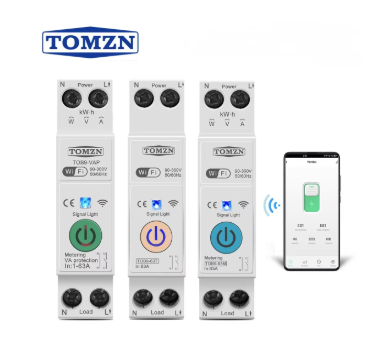
Knowing when to replace your dc mcb circuit breaker is crucial for maintaining electrical system safety and preventing costly equipment failures. Unlike AC circuit breakers, dc mcb units face unique challenges in DC applications, particularly in solar installations and battery systems where proper arc interruption becomes more complex due to the continuous nature of direct current.
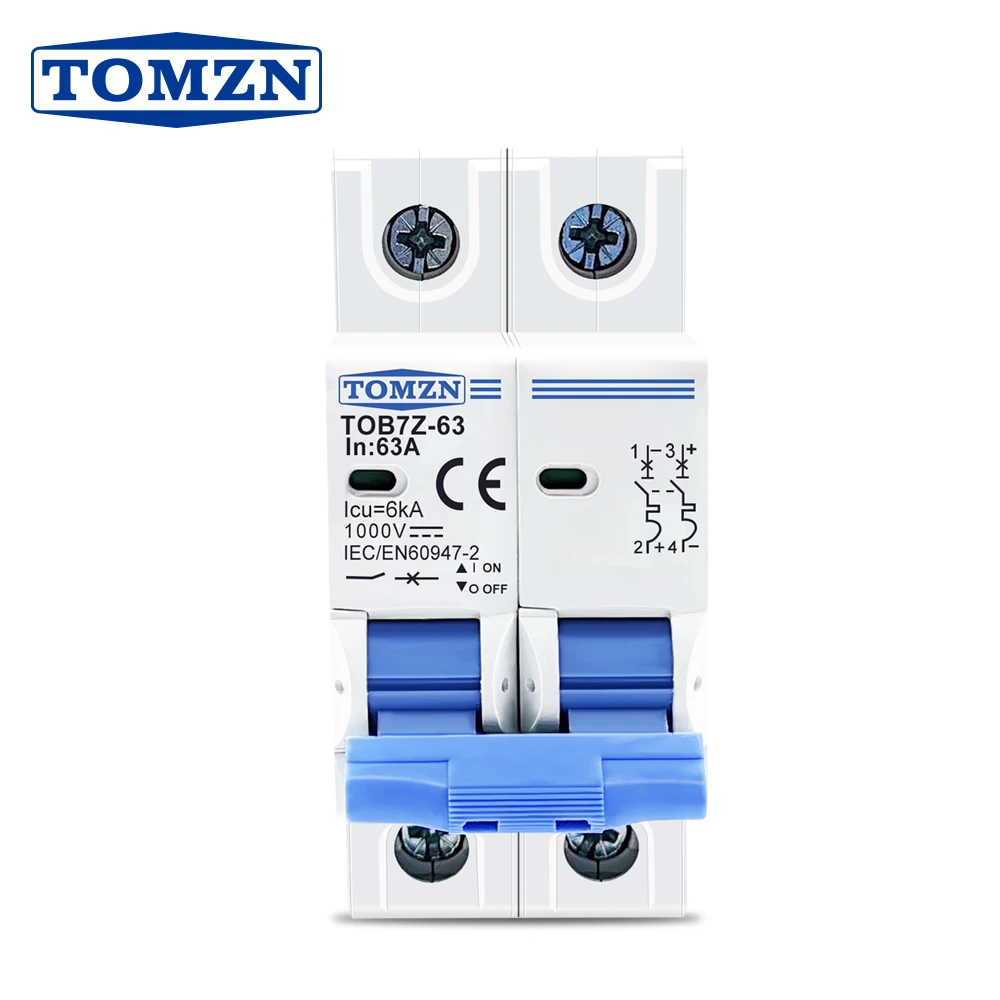
Several critical indicators signal when your dc mcb requires immediate replacement, ranging from visible physical deterioration to performance degradation that compromises system protection. Understanding these warning signs and replacement timing helps facility managers and electrical contractors maintain optimal protection levels while avoiding unexpected downtime in critical DC power applications.
Physical Warning Signs That Demand Immediate DC MCB Replacement
Visible Damage and Deterioration Indicators
Physical inspection reveals the most obvious signs that your dc mcb needs replacement. Burn marks, discoloration, or melted plastic housing indicate excessive heat exposure that compromises the breaker's protective capabilities. These thermal indicators often appear around contact points where arcing has occurred during switching operations.
Cracks in the housing or damaged operating mechanisms represent structural failures that prevent proper arc containment. When the dc mcb case shows hairline fractures or visible splits, the internal arc chutes may no longer function effectively, creating dangerous conditions during fault interruption scenarios.
Corrosion on terminals or contact surfaces indicates moisture infiltration or chemical exposure that degrades electrical connections. This corrosion increases contact resistance, leading to heating and eventual failure of the dc mcb protection function during critical fault conditions.
Mechanical Operation Problems
A dc mcb that fails to operate smoothly during manual testing requires immediate replacement. Sticking, binding, or excessive force needed to operate the toggle mechanism indicates worn internal components that may prevent proper fault response when protection is needed most.
Loose or wobbly toggle handles suggest internal spring or linkage wear that affects the breaker's ability to maintain proper contact pressure. This mechanical degradation leads to increased contact resistance and unreliable tripping characteristics that compromise system protection.
When the dc mcb fails to reset after tripping, or repeatedly trips without apparent cause, internal mechanism damage prevents normal operation. These symptoms indicate that the breaker can no longer reliably protect downstream equipment from overcurrent conditions.
Performance-Based Replacement Criteria
Tripping Characteristic Changes
Changes in tripping behavior represent one of the most critical indicators for dc mcb replacement. When a breaker begins tripping at currents significantly below its rated capacity, internal calibration drift or contact wear affects its protective response, requiring immediate replacement to maintain system reliability.
Conversely, a dc mcb that fails to trip at or near its rated current creates dangerous conditions where fault currents may flow uninterrupted. This condition typically results from magnetic coil degradation or contact welding that prevents proper fault detection and interruption.
Delayed tripping response indicates thermal or magnetic element deterioration within the dc mcb assembly. When protection response times extend beyond manufacturer specifications, the breaker may fail to prevent damage during short-circuit conditions.
Arc Interruption Capability Assessment
DC circuit breakers face unique challenges in arc interruption due to the absence of natural current zero crossings found in AC systems. When a dc mcb shows signs of inadequate arc extinction, such as visible arcing during operation or carbonized arc chutes, replacement becomes essential for safe operation.
Measuring the time required for complete arc extinction during controlled testing helps evaluate dc mcb condition. Extended arc duration indicates deteriorated arc chutes or magnetic blowout systems that may fail during high-current interruption scenarios.
Contact erosion assessment through resistance measurements reveals the dc mcb's ability to carry rated current without excessive heating. Increased contact resistance leads to voltage drop and heat generation that accelerates further deterioration and eventual failure.
Age and Environmental Factors
Service Life Considerations
Most dc mcb units have manufacturer-specified service lives ranging from 15 to 25 years under normal operating conditions. However, actual replacement timing depends heavily on operating environment, load characteristics, and switching frequency rather than calendar age alone.
High switching frequency applications, common in solar inverter systems, accelerate contact wear and reduce dc mcb service life significantly. Breakers protecting frequently cycling loads may require replacement every 8 to 12 years to maintain reliable protection characteristics.
Operating temperature extremes affect internal component aging rates, with elevated temperatures accelerating insulation degradation and contact oxidation. DC MCB installations in outdoor solar applications or high-temperature industrial environments may need more frequent replacement than indoor installations.
Environmental Stress Impact
Corrosive atmospheres, high humidity, and contamination exposure significantly impact dc mcb longevity. Chemical processing facilities, marine environments, and areas with high particulate contamination accelerate component degradation and necessitate earlier replacement.
Vibration and mechanical shock from nearby machinery or seismic activity can loosen internal connections and damage delicate trip mechanisms within the dc mcb assembly. Regular inspection in these environments helps identify vibration-related damage before failure occurs.
UV exposure in outdoor solar installations degrades plastic housings and can affect internal components through thermal cycling. DC MCB units showing UV damage or brittle housing materials require replacement to prevent moisture infiltration and subsequent failure.
Testing and Monitoring Protocols
Routine Testing Procedures
Regular testing protocols help identify dc mcb deterioration before critical failures occur. Monthly manual operation testing verifies mechanical function, while quarterly current injection testing confirms proper tripping characteristics remain within specification limits.
Contact resistance measurements using precision microhm meters detect increased resistance due to contact erosion or contamination. Resistance values exceeding manufacturer specifications by more than 50% typically indicate the need for dc mcb replacement.
Insulation resistance testing between poles and from poles to ground reveals insulation system degradation that compromises safety and reliability. Insulation resistance below minimum specified values requires immediate dc mcb replacement regardless of other test results.
Advanced Diagnostic Techniques
Thermal imaging during normal operation identifies hot spots that indicate increased contact resistance or internal component failure within the dc mcb assembly. Temperature rises exceeding 40°C above ambient temperature typically indicate impending failure requiring prompt replacement.
Partial discharge testing using specialized equipment can detect internal insulation breakdown that may not be apparent through standard testing methods. Partial discharge activity indicates insulation system failure that will eventually lead to complete dc mcb failure.
Time-current characteristic testing using calibrated test equipment verifies that the dc mcb maintains proper protection coordination with other system components. Deviations from published curves indicate internal calibration drift requiring replacement.
Replacement Decision Framework
Risk Assessment Methodology
Developing a systematic risk assessment framework helps determine optimal dc mcb replacement timing based on consequence of failure versus replacement cost. Critical applications protecting expensive equipment or life safety systems warrant more conservative replacement criteria than non-critical loads.
Load criticality analysis considers the impact of protection system failure on overall facility operation. DC MCB units protecting critical infrastructure components require replacement at the first sign of degradation, while those protecting non-essential loads can operate longer with increased monitoring.
Cost-benefit analysis comparing replacement expense against potential failure consequences helps establish economically justified replacement timing. This analysis should include direct replacement costs, installation labor, downtime expenses, and potential equipment damage from protection failure.
Proactive Replacement Strategies
Implementing condition-based replacement programs using trending data from regular testing provides optimal replacement timing that balances safety with economic considerations. This approach replaces dc mcb units based on actual condition rather than arbitrary time intervals.
Group replacement strategies for similar dc mcb installations can reduce overall maintenance costs while ensuring consistent protection levels throughout the facility. This approach works particularly well in large solar installations with multiple identical breaker applications.
Emergency replacement planning ensures rapid restoration following unexpected dc mcb failures. Maintaining adequate spare inventory and pre-established replacement procedures minimizes downtime when critical protection devices fail unexpectedly.
FAQ
How often should DC MCB circuit breakers be tested for replacement needs?
DC MCB circuit breakers should undergo basic functional testing monthly, with comprehensive electrical testing performed quarterly. Critical applications may require monthly electrical testing, while routine installations can extend testing intervals to semi-annually if operating conditions remain stable and initial test results show minimal degradation trends.
Can environmental conditions accelerate the need for DC MCB replacement?
Yes, harsh environmental conditions significantly accelerate DC MCB deterioration and replacement needs. High temperatures, corrosive atmospheres, excessive moisture, vibration, and UV exposure can reduce normal service life by 30-50%. Outdoor solar installations and industrial environments typically require replacement every 8-12 years rather than the standard 15-25 year service life.
What are the most reliable indicators that a DC MCB needs immediate replacement?
The most reliable indicators for immediate DC MCB replacement include visible physical damage such as burn marks or cracked housing, failure to trip at rated current during testing, mechanical binding during manual operation, and contact resistance measurements exceeding manufacturer specifications by more than 50%. Any combination of these symptoms requires prompt replacement regardless of breaker age.
Is it better to replace DC MCBs proactively or wait for failure symptoms?
Proactive replacement based on condition monitoring and testing trends is superior to reactive replacement after failure symptoms appear. This approach prevents unexpected downtime, protects downstream equipment from damage, and maintains optimal system reliability. Critical applications should implement condition-based replacement programs rather than waiting for obvious failure indicators.
Table of Contents
- Physical Warning Signs That Demand Immediate DC MCB Replacement
- Performance-Based Replacement Criteria
- Age and Environmental Factors
- Testing and Monitoring Protocols
- Replacement Decision Framework
-
FAQ
- How often should DC MCB circuit breakers be tested for replacement needs?
- Can environmental conditions accelerate the need for DC MCB replacement?
- What are the most reliable indicators that a DC MCB needs immediate replacement?
- Is it better to replace DC MCBs proactively or wait for failure symptoms?