
 EN
EN
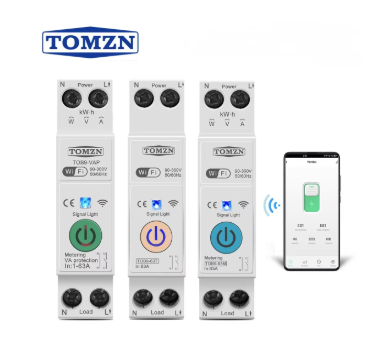
ডিসি এমসিবি (ডাইরেক্ট কারেন্ট মিনিয়েচার সার্কিট ব্রেকার) হল ডাইরেক্ট কারেন্ট বৈদ্যুতিক সিস্টেমের জন্য বিশেষভাবে ডিজাইন করা একটি বিশেষায়িত সুরক্ষা ডিভাইস, যা গঠন ও কার্যপ্রণালীর দিক থেকে ঐতিহ্যগত এসি সার্কিট ব্রেকার থেকে মৌলিকভাবে ভিন্ন। বিপরীতে, পরিবর্তী প্রবাহ (এসি) সিস্টেমে প্রবাহ প্রতি চক্রে দুইবার স্বাভাবিকভাবে শূন্য অতিক্রম করে, কিন্তু ডাইরেক্ট কারেন্ট (ডিসি) একটি নির্দিষ্ট দিকে অবিচ্ছিন্নভাবে প্রবাহিত হয়, যা সার্কিট বিচ্ছেদের জন্য বিশেষ প্রকৌশল সমাধানের প্রয়োজন হয়। সৌর ফটোভোলটাইক সিস্টেম, ব্যাটারি ব্যাঙ্ক, ইলেকট্রিক ভেহিকেল চার্জিং ইনফ্রাস্ট্রাকচার বা শিল্পক্ষেত্রে ব্যবহৃত ডিসি অ্যাপ্লিকেশন—এসব ক্ষেত্রে নির্ভরযোগ্য সার্কিট সুরক্ষা সরাসরি নিরাপত্তা ও সিস্টেমের বিশ্বস্ততাকে প্রভাবিত করে; সুতরাং ডিসি এমসিবি কী এবং ইহার সুরক্ষা ব্যবস্থা সম্পর্কে বোঝা একজন পেশাদারের জন্য অত্যাবশ্যকীয়।
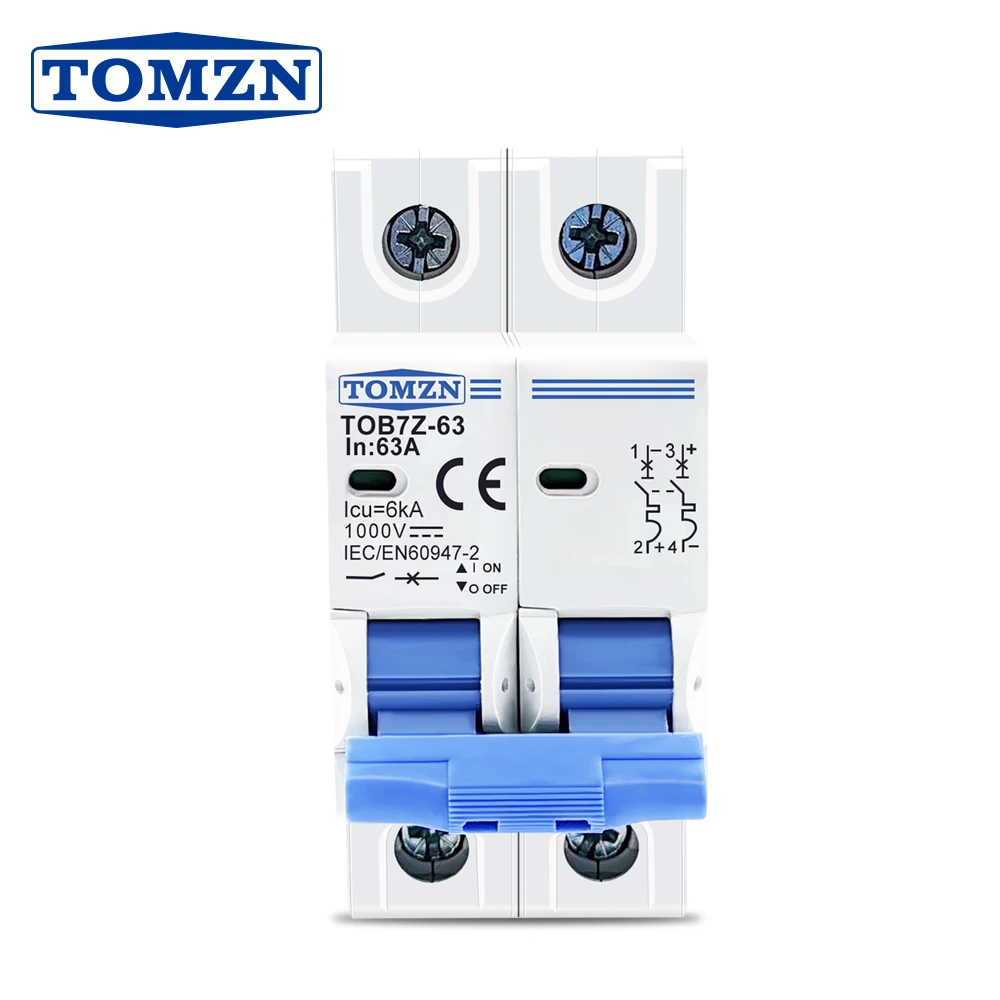
সুরক্ষা কার্যক্রমের dC MCB এটি সরল অতি-বর্তমান সুরক্ষা ছাড়াও আর্ক নি extinguishment, ত্রুটি বিচ্ছেদ এবং সরাসরি বর্তমান (ডিসি) প্রবাহের সহজাত বৈশিষ্ট্যগুলোকে মাথায় রেখে সিস্টেমের স্থিতিশীলতা বজায় রাখার ক্ষেত্রে প্রসারিত হয়। ডিসি সিস্টেমে প্রাকৃতিক কারেন্ট জিরো ক্রসিং পয়েন্টের অভাব এর অর্থ হলো যে, সার্কিট বিচ্ছেদের সময় যখন একটি বৈদ্যুতিক আর্ক গঠিত হয়, তখন তা এসি অ্যাপ্লিকেশনের তুলনায় অনেক দীর্ঘ সময় ধরে নিজেকে বজায় রাখে, ফলে উন্নত আর্ক নিকুচন কক্ষ এবং চৌম্বকীয় ব্লো-আউট ব্যবস্থার প্রয়োজন হয়। আর্ক আচরণের এই মৌলিক পার্থক্যটি ডিসি এমসিবি নির্মাণের পেছনে সমগ্র ডিজাইন দর্শনকে নির্দেশনা দেয়, যা যোগাযোগ উপকরণ ও দূরত্ব থেকে শুরু করে চৌম্বকীয় সার্কিট ডিজাইন পর্যন্ত সবকিছুকে প্রভাবিত করে—যা পরিচালন ভোল্টেজ ও কারেন্টের সম্পূর্ণ পরিসরে নির্ভরযোগ্য ত্রুটি নির্মূলন সক্ষম করে।
ডিসি এমসিবি প্রযুক্তির মৌলিক ডিজাইন নীতি
ডিসি অ্যাপ্লিকেশনে আর্ক নিকুচন ব্যবস্থা
ডিসি এমসিবি ডিজাইনের মূল চ্যালেঞ্জটি কার্যকর আর্ক নির্বাপণের চারপাশে ঘোরে, কারণ ডাইরেক্ট কারেন্টের কোনো প্রাকৃতিক জিরো-ক্রসিং পয়েন্ট নেই যা এসি সিস্টেমগুলিতে আর্ক নির্বাপণকে সহজ করে। যখন লোড অবস্থায় একটি ডিসি এমসিবি খোলা হয়, তখন পৃথকীকৃত কন্টাক্টগুলির মধ্যে গঠিত বৈদ্যুতিক আর্কটিকে কারেন্ট তরঙ্গের বৈশিষ্ট্যের উপর নির্ভর না করে যান্ত্রিক ও চৌম্বকীয় উপায়ে সক্রিয়ভাবে নির্বাপিত করতে হয়। আধুনিক ডিসি এমসিবি ডিজাইনগুলিতে বিশেষায়িত আর্ক নির্বাপণ চেম্বার অন্তর্ভুক্ত করা হয়েছে, যার সাবধানে প্রকৌশলীকৃত জ্যামিতি আর্কটিকে প্রসারিত ও শীতল করে এবং একইসাথে চৌম্বক ক্ষেত্র ব্যবহার করে আর্কটিকে নির্বাপণ প্লেটে প্রেরণ করে যেখানে এটি নিরাপদে বিলুপ্ত হতে পারে।
ডিসি এমসিবি-এর মধ্যে চুম্বকীয় ব্লো-আউট সিস্টেমটি স্থায়ী চুম্বক বা ইলেকট্রোম্যাগনেট ব্যবহার করে আর্ক পথের লম্বভাবে একটি চুম্বকীয় ক্ষেত্র তৈরি করে, যা আর্ককে বিশেষভাবে নকশা করা আর্ক রানারগুলি বরাবর নিভানোর কক্ষের দিকে সরিয়ে দেয়। এই চুম্বকীয় বল আর্কটিকে কার্যকরভাবে প্রসারিত করে, ফলে এর রোধ বৃদ্ধি পায় এবং অনিয়ন্ত্রিত উপকরণ ও শীতলীকরণ ফিনগুলির সংস্পর্শে আসার মাধ্যমে এটি শীতল হয়। আর্ক নিভানোর কক্ষটিতে একাধিক ধাতব প্লেট থাকে যা আর্ককে ছোট ছোট অংশে বিভক্ত করে, যার প্রতিটির ভোল্টেজ সম্ভাব্যতা কম হয়, যতক্ষণ না মোট আর্ক ভোল্টেজ সিস্টেম ভোল্টেজকে অতিক্রম করে এবং আর্কটি স্বতঃস্ফূর্তভাবে নিভে যায়।
ডিসি বিচ্ছেদের জন্য যোগাযোগ ব্যবস্থা প্রকৌশল
ডিসি এমসিবি-তে যোগাযোগ ব্যবস্থাটির জন্য সরাসরি প্রবাহ বিচ্ছেদের ফলে সৃষ্ট অনন্য চাপ মোকাবেলা করতে বিশেষায়িত প্রকৌশল প্রয়োজন, যার মধ্যে এসি অ্যাপ্লিকেশনগুলির তুলনায় উল্লেখযোগ্যভাবে ভিন্ন যোগাযোগ ক্ষয় প্যাটার্ন অন্তর্ভুক্ত। ডিসি এমসিবি-এর যোগাযোগ বিন্দুগুলি সাধারণত রৌপ্য-ভিত্তিক সংকর ধাতু বা অন্যান্য বিশেষায়িত উপকরণ ব্যবহার করে যা একমুখী প্রবাহের কারণে সৃষ্ট অসম ক্ষয় প্যাটার্ন সহ্য করতে পারে, যেখানে আর্ক গতি এবং উপাদান স্থানান্তরের সুস্পষ্ট দিকের কারণে একটি যোগাযোগ বিন্দু অন্যটির তুলনায় দ্রুত ক্ষয় হয়।
ডিসি এমসিবি ডিজাইনে যোগাযোগ ব্যবধান এবং খোলার বেগ গুরুত্বপূর্ণ পরামিতি হয়ে ওঠে, কারণ যোগাযোগগুলি চাপ পুনরায় জ্বলে ওঠা রোধ করতে যথেষ্ট দ্রুত পৃথক হতে হবে, একইসাথে চাপ নিষ্পত্তির পরে পুনরুদ্ধার ভোল্টেজ সহ্য করার জন্য যথেষ্ট দূরত্ব বজায় রাখতে হবে। যান্ত্রিক লিঙ্কেজ সিস্টেমটি খোলার প্রক্রিয়ায় দ্রুত যোগাযোগ ত্বরণ প্রদান করতে হবে, যাতে সাধারণ বন্ধ অবস্থায় নির্ভরযোগ্য যোগাযোগ চাপ নিশ্চিত করা যায়। এটি সূক্ষ্ম স্প্রিং সিস্টেম এবং যান্ত্রিক সুবিধা ব্যবস্থার প্রয়োজন যা হাজার হাজার সুইচিং অপারেশনের মধ্যে প্রয়োজনীয় যোগাযোগ বল এবং পৃথকীকরণ গতি প্রদান করতে পারে।
সুরক্ষা ব্যবস্থা এবং ত্রুটি সনাক্তকরণ
অতি-বর্তমান সুরক্ষা বৈশিষ্ট্য
ডিসি এমসিবি ওভারকারেন্ট প্রোটেকশন থার্মাল এবং ম্যাগনেটিক ট্রিপ মেকানিজমের মাধ্যমে কাজ করে, যা সরাসরি কারেন্টের বৈশিষ্ট্যগুলির জন্য বিশেষভাবে ক্যালিব্রেট করা হয়েছে এবং ডিসি ও এসি অ্যাপ্লিকেশনের মধ্যে ঘটিত ভিন্ন তাপীয় প্যাটার্ন এবং চৌম্বক ক্ষেত্রের পারস্পরিক ক্রিয়াকলাপগুলিকে বিবেচনায় নেয়। থার্মাল ট্রিপ উপাদানটি দীর্ঘস্থায়ী ওভারকারেন্ট অবস্থায় প্রতিক্রিয়া জানায় একটি বাইমেটালিক স্ট্রিপ ব্যবহার করে, যা কারেন্ট প্রবাহের ফলে উত্তপ্ত হয়ে বিকৃত হয় এবং চিহ্নিত সময়ের জন্য নির্দিষ্ট সীমার মধ্যে কারেন্ট অতিক্রম করলে শেষ পর্যন্ত ট্রিপ মেকানিজমকে সক্রিয় করে। এই থার্মাল প্রতিক্রিয়াটি ইনভার্স-টাইম বৈশিষ্ট্য প্রদান করে, যেখানে উচ্চতর ওভারকারেন্ট দ্রুততর ট্রিপ প্রতিক্রিয়া সৃষ্টি করে, যার ফলে কন্ডাক্টর এবং সংযুক্ত সরঞ্জামগুলিকে তাপীয় ক্ষতি থেকে রক্ষা করা হয়।
চুম্বকীয় ট্রিপ উপাদানটি একটি ইলেকট্রোম্যাগনেটিক কয়েল ব্যবহার করে সার্কিটের শর্ট-সার্কিট অবস্থার বিরুদ্ধে তাৎক্ষণিক সুরক্ষা প্রদান করে, যা ক্ষতিকারক কারেন্ট নিরাপদ সীমার উপরে উঠলে ট্রিপ মেকানিজমকে তাৎক্ষণিকভাবে সক্রিয় করার জন্য যথেষ্ট চুম্বকীয় বল উৎপন্ন করে। ডিসি এমসিবি (MCB) অ্যাপ্লিকেশনগুলিতে, চুম্বকীয় ট্রিপ ক্যালিব্রেশনকে ডিসি সিস্টেমে বিদ্যমান স্থায়ী চুম্বকীয় ক্ষেত্রগুলিকে বিবেচনায় আনতে হবে, যাতে স্বাভাবিক ইনরাশ কারেন্ট এবং প্রকৃত ক্ষতিকারক অবস্থার মধ্যে নির্ভরযোগ্য বৈষম্য নির্ধারণ নিশ্চিত করা যায়। তাপীয় এবং চুম্বকীয় সুরক্ষা উপাদানগুলির সমন্বয় হালকা ওভারলোড থেকে উচ্চ-মাত্রার শর্ট-সার্কিট পর্যন্ত সমস্ত ধরনের ক্ষতিকারক অবস্থার জন্য সম্পূর্ণ ওভারকারেন্ট সুরক্ষা প্রদান করে।
আর্ক ফল্ট এবং গ্রাউন্ড ফল্ট সুরক্ষা একীভূতকরণ
উন্নত ডিসি এমসিবি (MCB) ডিজাইনগুলিতে ক্রমবর্ধমানভাবে আর্ক ফল্ট সনাক্তকরণ ক্ষমতা অন্তর্ভুক্ত করা হচ্ছে, যাতে সাধারণ ওভারকারেন্ট সুরক্ষা ডিভাইসগুলি সক্রিয় না হওয়া সম্ভাব্য বিপজ্জনক আর্কিং অবস্থাগুলি চিহ্নিত করে এবং তা বিচ্ছিন্ন করা যায়। ডিসি সিস্টেমে আর্ক ফল্ট সনাক্তকরণের জন্য সাধারণ সুইচিং আর্ক এবং দীর্ঘস্থায়ী ফল্ট আর্ক—যা আগুনের ঝুঁকি বা সরঞ্জামের ক্ষতির কারণ হতে পারে—এর মধ্যে পার্থক্য করতে উন্নত সিগন্যাল প্রসেসিং প্রয়োজন। সনাক্তকরণ অ্যালগরিদমগুলি বর্তমান ও ভোল্টেজ স্বাক্ষর বিশ্লেষণ করে শ্রেণিবদ্ধ (সিরিজ) ও সমান্তরাল (প্যারালাল) আর্ক ফল্টের বৈশিষ্ট্যপূর্ণ প্যাটার্নগুলি চিহ্নিত করে এবং বিপজ্জনক আর্কিং অবস্থা সনাক্ত করলে স্বয়ংক্রিয়ভাবে সার্কিট বিচ্ছিন্ন করে।
DC MCB সিস্টেমে গ্রাউন্ড ত্রুটি সুরক্ষা অনেক DC অ্যাপ্লিকেশনগুলিতে সাধারণ ভাসমান গ্রাউন্ড রেফারেন্সের কারণে অনন্য চ্যালেঞ্জ উপস্থাপন করে, বিশেষত ফটোভোলটাইক এবং ব্যাটারি সিস্টেমে যেখানে সিস্টেম গ্রাউন্ডিং ইচ্ছাকৃতভাবে এড়ানো বা এসি সিস্টেমের চেয়ে আলাদাভাবে বাস্ত DC MCB গ্রাউন্ড ফল্ট সুরক্ষা অবশ্যই ধনাত্মক এবং নেতিবাচক কন্ডাক্টরগুলির মধ্যে ভারসাম্যহীনতা সনাক্ত করতে সক্ষম হতে হবে, একই সাথে DC ইনস্টলেশনে উপস্থিত স্বাভাবিক ফুটো প্রবাহ এবং ক্যাপাসিটিভ প্রভাবগুলিকে সামঞ্জস্য করতে হবে। এটির জন্য আসল গ্রাউন্ড ফাল্টের বিরুদ্ধে নির্ভরযোগ্য সুরক্ষা বজায় রেখে বিরক্তিকর ট্রিপিং রোধ করতে সংবেদনশীল বর্তমান পর্যবেক্ষণ এবং পরিশীলিত বৈষম্য অ্যালগরিদম প্রয়োজন।
ভোল্টেজ এবং কারেন্ট রেটিং বিবেচনা
ডিসি ভোল্টেজ প্রতিরোধ ক্ষমতা
ডিসি এমসিবি-এর ভোল্টেজ রেটিংয়ে সর্বোচ্চ কার্যকরী ভোল্টেজ এবং ত্রুটি বিচ্ছেদের সময় ভোল্টেজ সহ্য করার ক্ষমতা—উভয়ই অন্তর্ভুক্ত থাকে, যেখানে ডিসি সিস্টেমগুলির জন্য এসি অ্যাপ্লিকেশনের তুলনায় উল্লেখযোগ্যভাবে ভিন্ন বিবেচনা প্রয়োজন, কারণ ধ্রুব ভোল্টেজ চাপ এবং ভিন্ন ডাইইলেকট্রিক ভাঙন বলয়ের কারণে। ডিসি এমসিবি-এর ভোল্টেজ রেটিং সর্বোচ্চ সিস্টেম ভোল্টেজ—যার মধ্যে সম্ভাব্য ওভারভোল্টেজ অবস্থা, সৌর ফটোভোলটাইক সর্বোচ্চ ক্ষমতা বিন্দু ট্র্যাকিং-এর পরিবর্তনশীলতা এবং ব্যাটারি চার্জিং ভোল্টেজের ওঠানামা যা সাময়িকভাবে নমুনা সিস্টেম ভোল্টেজকে অতিক্রম করতে পারে—সেগুলো অবশ্যই বিবেচনায় আনতে হবে।
ডিসি এমসিবি ইনসুলেশন সিস্টেমের ডাই-ইলেকট্রিক শক্তির প্রয়োজনীয়তা এসি অ্যাপ্লিকেশনগুলির থেকে ভিন্ন, কারণ ডিসি ভোল্টেজ চাপ সাইনোসয়েডালভাবে পরিবর্তিত না হয়ে ধ্রুব থাকে, ফলে ইনসুলেটিং উপকরণগুলিতে বিভিন্ন বয়স্করণ প্রক্রিয়া এবং সম্ভাব্য ব্যর্থতার মোড সৃষ্টি হয়। ডিসি এমসিবি ডিজাইনগুলিতে এমন ইনসুলেশন সিস্টেম অন্তর্ভুক্ত করতে হবে যা অবিরত ডিসি ভোল্টেজ চাপ সহ্য করতে পারে, একইসাথে ওভারভোল্টেজ অবস্থার জন্য যথেষ্ট নিরাপত্তা মার্জিন বজায় রাখে এবং তাপমাত্রা চক্র, আর্দ্রতা পরিবর্তন এবং বহিরঙ্গন ইনস্টলেশনে ইউভি রশ্মির প্রকাশের মতো বিভিন্ন পরিবেশগত অবস্থায় ইনসুলেশনের অখণ্ডতা বজায় রাখে।
বর্তমান বিচ্ছেদ ক্ষমতা এবং সমন্বয়
একটি ডিসি এমসিবি-এর বর্তমান বিচ্ছেদ ক্ষমতা হলো সেই সর্বোচ্চ পার্শ্ববর্তী প্রবাহ যা ডিভাইসটি কোনো ক্ষতি ছাড়াই নিরাপদভাবে বিচ্ছিন্ন করতে পারে, যা একটি গুরুত্বপূর্ণ নিরাপত্তা পরামিতি নির্দেশ করে যার সাথে নির্দিষ্ট ডিসি সিস্টেম অ্যাপ্লিকেশনে উপলব্ধ পার্শ্ববর্তী প্রবাহের সাথে সাবধানতার সাথে মিল রাখা আবশ্যিক। ডিসি পার্শ্ববর্তী প্রবাহের বৈশিষ্ট্যগুলি এসি সিস্টেম থেকে উল্লেখযোগ্যভাবে ভিন্ন, বিশেষ করে প্রবাহের বৃদ্ধির হার এবং ডিসি পার্শ্ববর্তী প্রবাহের স্থায়িত্বের দিকে যা এসি সিস্টেমে পার্শ্ববর্তী অবস্থায় ইম্পিড্যান্স প্রভাবের কারণে স্বাভাবিকভাবে হ্রাস পায় না।
বিতরণ পদ্ধতিতে একাধিক ডিসি এমসিবি (DC MCB) ডিভাইসের মধ্যে নির্বাচনী সমন্বয় অর্জনের জন্য সময়-বর্তমান বৈশিষ্ট্য এবং বর্তমান সীমাবদ্ধকরণ প্রভাবগুলির প্রতি যথেষ্ট মনোযোগ দেওয়া আবশ্যক, যাতে শুধুমাত্র ত্রুটির নিকটতম সুরক্ষা ডিভাইসটি কাজ করে এবং পদ্ধতির অবশিষ্ট অংশটি চালু ও কার্যকর থাকে। ডিসি এমসিবি সমন্বয় অধ্যয়নগুলি ডিসি ত্রুটি বিচ্ছেদের সময় ঘটিত বিভিন্ন আর্ক ভোল্টেজ বৈশিষ্ট্য এবং বর্তমান সীমাবদ্ধকরণ প্রভাবগুলিকে বিবেচনায় আনতে হবে, যাতে সমস্ত সম্ভাব্য ত্রুটি পরিস্থিতি এবং পদ্ধতির কার্যকরী অবস্থার মধ্যে উর্ধ্বপ্রবাহ ও অধঃপ্রবাহ সুরক্ষা ডিভাইসগুলির মধ্যে নির্ভরযোগ্য বৈষম্য নিশ্চিত করা যায়।
ইনস্টলেশন এবং অ্যাপ্লিকেশন নির্দেশিকা
সিস্টেম ইন্টিগ্রেশনের প্রয়োজনীয়তা
উপযুক্ত ডিসি এমসিবি (DC MCB) ইনস্টলেশনের জন্য সিস্টেম ভোল্টেজ লেভেল, কন্ডাক্টর সাইজিং, পরিবেশগত অবস্থা এবং অন্যান্য সুরক্ষা ডিভাইসগুলির সাথে সমন্বয় সম্পর্কে সতর্কভাবে মনোযোগ দেওয়া আবশ্যক, যাতে নির্ভরযোগ্য কার্যকারিতা নিশ্চিত করা যায় এবং প্রযোজ্য বৈদ্যুতিক কোড ও মানদণ্ডের সাথে সামঞ্জস্য বজায় থাকে। ইনস্টলেশনের পরিবেশটি মূল্যায়ন করতে হবে তাপমাত্রার চরম মাত্রা, আর্দ্রতার মাত্রা, কম্পন এবং সম্ভাব্য ক্ষয়কারী বায়ুমণ্ডলের সংস্পর্শের জন্য, যা ডিসি এমসিবি-এর কার্যকারিতা ও দীর্ঘস্থায়িত্বকে প্রভাবিত করতে পারে। যথেষ্ট তাপ বিসরণ নিশ্চিত করতে এবং একই সময়ে সুইচিং অপারেশনের সময় পাশাপাশি স্থাপিত ডিভাইসগুলির মধ্যে হস্তক্ষেপ রোধ করতে মাউন্টিং অরিয়েন্টেশন ও স্পেসিং প্রয়োজনীয়তা মেনে চলতে হবে।
ডিসি এমসিবি সিস্টেম ইন্টিগ্রেশনের ক্ষেত্রে ডিসি সোর্সের ইম্পিড্যান্স বৈশিষ্ট্যগুলি বিবেচনা করতে হবে, যেমন— ব্যাটারি, ফটোভোলটাইক অ্যারে বা ডিসি পাওয়ার সাপ্লাই; কারণ এই বৈশিষ্ট্যগুলি সরাসরি দুর্ঘটনাজনিত কারেন্টের মাত্রা এবং আর্ক নি extinguishment-এর প্রয়োজনীয়তাকে প্রভাবিত করে। সংযোগ পদ্ধতিগুলি অবশ্যই নিম্ন যোগাযোগ রোধ নিশ্চিত করবে এবং তাপীয় চক্র এবং সম্ভাব্য কম্পন সহ্য করতে পারে এমন বিশ্বস্ত যান্ত্রিক সংযোগ নিশ্চিত করবে, যাতে সংযোগগুলি ঢিলে না হয় বা উচ্চ-রোধের জয়েন্ট গঠিত না হয়, যা সাধারণ অপারেশন বা দুর্ঘটনার সময় অতিরিক্ত তাপ উৎপাদন বা আর্কিং অবস্থার কারণ হতে পারে।
রক্ষণাবেক্ষণ এবং পরীক্ষার প্রক্রিয়াক্রম
ডিসি এমসিবি রক্ষণাবেক্ষণ প্রোটোকলগুলির মধ্যে ডিসি সুইচিং অ্যাপ্লিকেশনের সাথে যুক্ত বিশেষ ধরনের ক্ষয় প্যাটার্ন এবং অবক্ষয় প্রক্রিয়াগুলির দিকে মনোযোগ দেওয়া আবশ্যিক, যার মধ্যে রয়েছে যোগাযোগ পৃষ্ঠের ক্ষয় পর্যবেক্ষণ, আর্ক নিষ্কাশন চেম্বারের পরিদর্শন এবং সময়ের সাথে সাথে ট্রিপ বৈশিষ্ট্যগুলির ক্যালিব্রেশন যাচাইকরণ। নিয়মিত পরিদর্শনের সময়সূচীতে যোগাযোগ পৃষ্ঠগুলির দৃশ্যমান পরীক্ষা, যান্ত্রিক কার্যকারিতার মসৃণতা যাচাইকরণ এবং বৈদ্যুতিক বৈশিষ্ট্যগুলির পরীক্ষা অন্তর্ভুক্ত থাকা আবশ্যিক, যাতে রেটেড কর্মক্ষমতা বিবরণীর সাথে চলমান অনুরূপতা নিশ্চিত করা যায়।
ডিসি এমসিবি ডিভাইসগুলির পরীক্ষা পদ্ধতির জন্য বিশেষায়িত সরঞ্জামের প্রয়োজন হয় যা উপযুক্ত ডিসি পরীক্ষা কারেন্ট ও ভোল্টেজ উৎপন্ন করতে সক্ষম হবে, একইসাথে নিরাপদ পরীক্ষা পরিবেশ প্রদান করবে এবং ট্রিপ বৈশিষ্ট্য ও বিচ্ছেদ কর্মক্ষমতা সঠিকভাবে পরিমাপ করবে। নিয়মিত পরীক্ষার মাধ্যমে তাপীয় ও চৌম্বকীয় ট্রিপ ক্যালিব্রেশন, যোগাযোগ রোধ পরিমাপ এবং অন্তরণ অখণ্ডতা পরীক্ষা যাচাই করা আবশ্যিক, যাতে সিস্টেমের বিশ্বস্ততা বা নিরাপত্তা প্রভাবিত হওয়ার আগেই সম্ভাব্য ক্ষয় শনাক্ত করা যায়। পরীক্ষার ফলাফলের ডকুমেন্টেশন রাখলে রক্ষণাবেক্ষণের সময়সীমা অপটিমাইজ করতে এবং সরঞ্জাম ব্যর্থতা বা নিরাপত্তা ঝুঁকির আগেই সম্ভাব্য সমস্যাগুলি শনাক্ত করতে ট্রেন্ডিং বিশ্লেষণ সম্ভব হয়।
প্রায়শই জিজ্ঞাসিত প্রশ্ন
ডিসি এমসিবি-কে সাধারণ এসি থেকে আলাদা করে তোলে কী? সার্কিট ব্রেকার ?
ডিসি এমসিবি (DC MCB) এর আর্ক নির্বাতন পদ্ধতি এবং অভ্যন্তরীণ গঠন এসি সার্কিট ব্রেকার থেকে মৌলিকভাবে ভিন্ন, যা সরাসরি বর্তমান প্রবাহকে পরিচালনা করার জন্য বিশেষভাবে ডিজাইন করা হয়েছে—যেখানে আর্ক বিচ্ছেদের জন্য প্রাকৃতিক শূন্য-অতিক্রমণ বিন্দু অনুপস্থিত। ডিসি এমসিবি ডিভাইসগুলিতে বিশেষায়িত চৌম্বকীয় ব্লো-আউট সিস্টেম এবং দীর্ঘায়িত আর্ক নির্বাতন চেম্বার অন্তর্ভুক্ত থাকে, যা এসি অ্যাপ্লিকেশনে প্রাকৃতিকভাবে নির্বাতিত হওয়া আর্কগুলিকে বাধ্যতামূলকভাবে নির্বাতিত করে; এছাড়াও এতে যোগাযোগ উপকরণ এবং স্পেসিং রয়েছে যা একদিকবর্তী বর্তমান প্রবাহ এবং ডিসি সুইচিং অ্যাপ্লিকেশনের বৈশিষ্ট্যপূর্ণ ভিন্ন ক্ষয় প্যাটার্নের জন্য অপ্টিমাইজ করা হয়েছে।
আমি কি ডিসি অ্যাপ্লিকেশনের জন্য এসি সার্কিট ব্রেকার ব্যবহার করতে পারি?
ডিসি অ্যাপ্লিকেশনের জন্য এসি সার্কিট ব্রেকার ব্যবহার করা সাধারণত সুপারিশযোগ্য নয় এবং প্রায়শই অনিরাপদ, কারণ এসি ব্রেকারগুলিতে ডিসি ফল্ট বিচ্ছেদের জন্য বিশ্বস্ত আর্ক নিষ্কাশন প্রক্রিয়া সম্পন্ন করার জন্য প্রয়োজনীয় বিশেষায়িত ব্যবস্থা অনুপস্থিত থাকে, যা দীর্ঘস্থায়ী আর্কিং, সরঞ্জামের ক্ষতি বা অগ্নিকাণ্ডের ঝুঁকির দিকে নিয়ে যেতে পারে। এসি ব্রেকারগুলি প্রাকৃতিক জিরো-ক্রসিং পয়েন্টে কারেন্ট বিচ্ছেদ করার জন্য ডিজাইন করা হয়েছে, যা ডিসি সিস্টেমে বিদ্যমান থাকে না, এবং এদের বিচ্ছেদ ক্ষমতা রেটিং সাধারণত এসি রেটিংয়ের তুলনায় ডিসি অ্যাপ্লিকেশনের জন্য অনেক কম হয়, ফলে এগুলি ডিসি ফল্ট সুরক্ষা প্রয়োজনীয়তা পূরণ করতে অক্ষম হয়।
আমার ডিসি এমসিবি-এর জন্য আমি কোন ভোল্টেজ ও কারেন্ট রেটিং বেছে নেব?
ডিসি এমসিবি-এর ভোল্টেজ রেটিং সর্বোচ্চ সিস্টেম ভোল্টেজকে অতিক্রম করা উচিত, যার মধ্যে চার্জিং ভোল্টেজ, সর্বোচ্চ পাওয়ার পয়েন্ট ট্র্যাকিং-এর পরিবর্তনশীলতা এবং সম্ভাব্য ওভারভোল্টেজ অবস্থা অন্তর্ভুক্ত থাকে, এবং সাধারণত সর্বোচ্চ প্রত্যাশিত ভোল্টেজের ১২৫% এর সুরক্ষা মার্জিন বজায় রাখা হয়। কারেন্ট রেটিং নির্বাচন করতে হবে সাধারণ অপারেশনে প্রত্যাশিত সর্বোচ্চ কন্টিনিউয়াস কারেন্ট অনুযায়ী, পরিবেশগত তাপমাত্রা, উচ্চতা এবং গ্রুপিং প্রভাবের জন্য উপযুক্ত ডিরেটিং ফ্যাক্টর প্রয়োগ করে, একইসাথে নিশ্চিত করতে হবে যে ইন্টারাপশন ক্যাপাসিটি ইনস্টলেশনের নির্দিষ্ট স্থানে পাওয়া যাওয়া সর্বোচ্চ ফল্ট কারেন্টকে অতিক্রম করে।
আমি কীভাবে জানব যে আমার ডিসি এমসিবি ঠিকমতো কাজ করছে?
উপযুক্ত ডিসি এমসিবি (DC MCB) কার্যকরীতা নিয়মিত দৃশ্যমান পরিদর্শনের মাধ্যমে ওভারহিটিং, আর্কিং বা যান্ত্রিক ক্ষয়-ক্ষতির লক্ষণগুলি পরীক্ষা করে, উপযুক্ত ডিসি পরীক্ষা সরঞ্জাম ব্যবহার করে ট্রিপ বৈশিষ্ট্যগুলির পর্যায়ক্রমিক পরীক্ষা করে এবং সময়ের সাথে ক্ষয় হওয়ার লক্ষণ শনাক্ত করার জন্য যোগাযোগ রোধের (contact resistance) পর্যবেক্ষণ করে যাচাই করা যেতে পারে। যেকোনো রঙের পরিবর্তন, যোগাযোগ তলে (contacts) গর্ত (pitting) বা যান্ত্রিক কার্যকরীতায় পরিবর্তনের লক্ষণ দেখা গেলে তৎক্ষণাৎ তদন্ত শুরু করা উচিত; অন্যদিকে, বৈদ্যুতিক পরীক্ষার মাধ্যমে নির্দিষ্ট সহনশীলতার মধ্যে তাপীয় (thermal) এবং চৌম্বকীয় (magnetic) ট্রিপ উপাদানগুলির ট্রিপ বক্ররেখা (trip curves) বজায় থাকা নিশ্চিত করতে হবে, যাতে সুরক্ষামূলক কার্যকারিতা অব্যাহত থাকে।