
 EN
EN
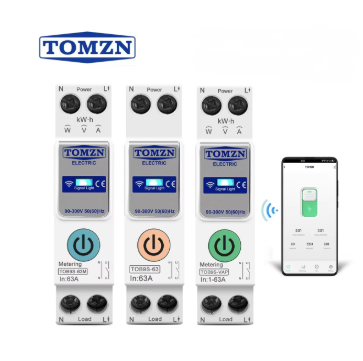
Systemata solaris energiae rapida evolvuntur anno 2026, afferentes inauditas efficaciam energiae et fidem ad usus domesticos, commerciales et industriales. Tamen haec progressio technologica venit cum praescriptis salutis critica quae praeteriri non possunt. Intellegere cur systemata solaria specialis protectionis per interruptores circuitus directi (DC MCB) egeant iam necessarium est designatoribus systematum, installeris et dominis bonorum qui longam functionem et conformitatem salutis sibi vident.
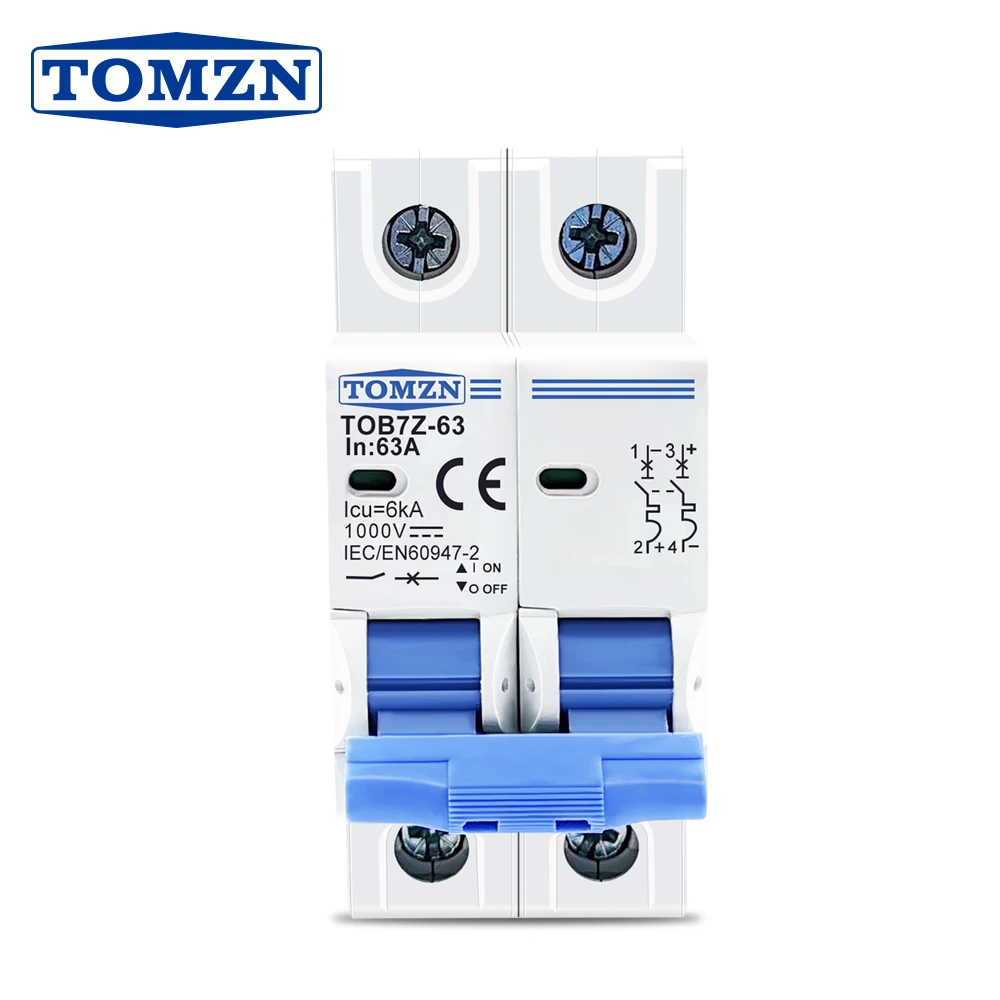
Natura fundamentalis electricitatis directae in systematibus photovoltaicis unicae difficultates creat quas instrumenta protectionis communia pro corrente alternata simpliciter solvere non possunt. Protectio per interruptores circuitus directi (DC MCB) fungitur tamquam barriera salutis critica inter defectus electricos potenter periculosos et componentes sensibiles quae moderna systemata solaris movent. Haec necessitas protectionis magis adhuc apparet dum technologia solaris progreditur et voltages systematum augentur ut efficacia collectionis energiae maximizetur.
Natura Critica Periculorum Electricorum DC in Systematibus Solaribus
Intellectus Formationis et Permanebilitatis Arcus DC
Electricitas directa fundamentaliter aliter se habet quam electricitas alternans, ubi defectus electrici occurrunt. Contra systemata AC, ubi currentes naturaliter bis per cyclum per zero transeunt, currentes DC fluxum constantem retinent, quod extinctionem arcus multo difficiliorem reddit. Cum in systemate solaris defectus sine idonea protectione MCB DC accidit, arcus electricus inde ortus perpetuo perdurare potest, calorem extremum et pericula incendii creans quae totam installationem minantur.
Perseverantia arcuum directae currentis ex continua natura generationis electricitatis photovoltaicae oritur. Tabulae solares continue producunt electricitatem quamdiu lux solaris in superficiem earum incidit, energiam in quodlibet defectum conditum infundentes. Haec continua suppetitia energiae arcus electricos sustinet ad temperaturas superantes 3000 gradus Celsius, calore sufficienti ad materias circumiacentes incendendum et damna catastrophalia inferenda. Moderna dispositiva MCB directae currentis specialiter sunt constructa ut hos persistentes arcus directae currentis interrumpant per speciales mechanismos arcuum extinguendorum.
Instalatores solares professionales multas res documentaverunt, in quibus deficiens protectio directae currentis ad incendia systematum et ad destructionem instrumentorum duxit. Impetus oeconomicus ultra immediate damna expensarum progreditur, comprehendens amissam productionem energiae, petitiones ad societates assicurantias, et potestiales quaestiones responsabilitatis. Haec realia eventa subtiliter ostendunt cur protectio MCB directae currentis a facultativa ad necessariam in modernis normis conceptionis systematum solarium transierit.
Difficultates Incrementi Tensionis in Technologia Solaris Anni 2026
Tensiones systematum solarium constanter augentur, dum fabricantes optimizant efficaciam conversionis energiae et minuunt impensas installationis. Multae installationes commerciales et ad usum publicum in anno 2026 operantur ad tensiones directas superantes mille volt, creantes ambientes electricos, quibus methodi protectionis tradicionales inadecuatae probantur. Tensiones altiores gravitatem defectuum electricorum augent et difficultatem interrumpendi curentes defectus tuto augent.
Relatio inter tensionem et formationem arcus secundum legem exponentialem procedit, id est, parvae incrementa tensionis systematis incomparabiliter maiores difficultates securitatis generant. Apparatus dC MCB ad applicationes mille volt destinatus demonstrare debet praestantiores facultates interrumpendi arcus quam alternativae ad tensiones inferiores. Haec condicio innovationem continuam in materiis contactuum, in structura camere arcus et in machinis extinctionis impellit.
Designatores systematis accurate specificanda MCB directae currentis ad reales conditiones operationis habere debent, non solum nominales tensionis gradus sed etiam casus super-tensionis potenciales considerantes. Panella solaria tensiones generare possunt multo superiores quam earum productio nota sub quibusdam condicionibus ambientalibus, praesertim ad temperaturas infimas cum altis irradiantiae gradibus. Idonea selectio MCB directae currentis has variationes tensionis computat dum tamen tutela fidabilis per totum ambitum operationis systematis servatur.
Adhaesio Regulatoria et Evolutio Normarum Tutelae
Requirimenta Codicis Electrici Internationalis
Locus securitatis electricae, qui regit installationes solares, magnam transformationem subiit, dum regulatores ad pericula documentata et progressus technologicos respondent. Editiones anni 2026 praecipuorum codicum electricorum, inter quos Codex Electricus Nationalis in Civitatibus Foederatis et normae Commissionis Internationalis Electrotechnicae per totum orbem, praescribunt specifica requisita pro protectione CC per interruptores automaticos circuitus (MCB) in systematibus photovoltaicis. Haec requisita experientiam campi collectam et data exprobationum amplissima reflectunt, quae magnam momenti rationem protectionis CC rectae demonstrant.
Observantia codicum ultra simplicem installationem dispositivorum progreditur, ut etiam dimensionem rectam, coordinationem et proceduras conservationis complectatur. Inspectores electrici magis atque magis in specificatis MCB CC versantur, ut verificent dispositiva protectionis cum characteristicis systematis et condicionibus operationis congruere. Non observantia codicum ad rejectionem installationis, ad negationem copiae assicuratorum et ad potestatem obligationis legalis pro dominis systematum et installeris ducere potest.
Evolūtiō in strictiōrēs conditiōnēs prōtectionis directae cūrrentis reflectit mātūritātem industriae solāris et agnitiōnem cōnsiderātiōnum de longō tempore ad salūtem pertinēntium. Prīmae installātiōnēs solārēs saepe fīdēbant in fusibilibus simplicibus aut in interruptōribus circuitūs alternae cūrrentis, quae methodī ad usum probātae sunt inadēquātae cum magnitūdō et voltāgō systemātum augēbantur. Modernae conditiōnēs legālēs hās dēficiēntiās historīcās speciātim corrigunt per praescripta minūtissima de modulāribus interruptōribus circuitūs directae cūrrentis et per dīrectīva de installātiōne.
Cautēla et Considerātiōne Lībilitātis
Praeberī īnsūrantiae subtiliōrēs factae sunt in aestimātiōne factorum rīscī systemātum solārium, ubi qualitās prōtectionis directae cūrrentis emergit ut praecipuum criterium subscrībendī. Polīciae īnsūrantiae proprietātis fortasse excludunt cōverentiam pro damnis incendiī oriundīs ex systemātibus solāribus quae prōtectionem idōneam modulārium interruptōrum circuitūs directae cūrrentis nōn habent, ita ut onus fīnānziārium directē in dominōs systemātis cadat. Haec distribūtiō rīscī fundātur in datīs actūāriīs quae frēquentiās et gravitātēs clāmōrum superiōrēs ostendunt pro systemātibus quae prōtectionem directae cūrrentis substandardem habent.
Domini proprietatum commercialium maiorem expositionem ad obligationes contrahendas habent, cum spatia incolarum vel proprietates adiacentes a defectibus electricis systematum solarium damnum patiuntur. Idonea protectio per interruptores circuitus directi (DC MCB) tam mensura technica salutis quam praesidium iuridicum est, quae curam rationabilem in conceptione et installatione systematis demonstrat. Documentatio specificatorum DC MCB et acta custodiae in iudiciis obligationum potentiis probatio maxime necessaria fiunt.
Consequentiones pecuniariae protectionis inadaequatae directi currentis (DC) ad finantiationem systematis et ad transactiones transfertus dominii pertinere possunt. Processus diligentiae praeviae pro acquisitionibus systematum solarium iam auditus electricos protectionis exactos includunt, quorum idoneitas DC MCB valorem activorum et condiciones transfertus directe afficit. Haec vires mercati magnas incentivitates oeconomicas pro implementatione idoneae protectionis directi currentis creant.
Reliabilitas Systematis et Protectio Rerum Gestarum
Instrumentorum Protectio et Durabilitas
Componentes systematis solaris magnas investituras pecuniarias repraesentant, quae protectione adversus stress electricum et conditiones defectus egeant. Protectio MCB directa currente (DC) munit carissimos inversores, apparatus monitorii et systemata accumulationis bateriarum adversus conditiones supercurrentis nocivas, quae in defectibus systematis aut proceduris manutentionis evenire possunt. Pretium substituendorum principalium componentium systematis saepe totam investituram in aptam protectionem MCB directae currentis (DC) ordines magnitudinis superat.
Fabricatores inversorum specialiter requirunt sufficientem protectionem lateris directae currentis (DC) ut condicio sit integritatis garantiae, agnoscendo quod currentes defectus non regulatae damna catastrophalia ad delicatos electronicos conversionis potentiae inferre possint. Inversores moderni sophistificata systemata regulae et costosos componentes semiconductorios includunt, qui stress electricum conditionum defectuum non protectarum sustinere nequeunt. Protectio MCB directae currentis (DC) certificat quod currentes defectus interrumpantur antequam ad niveles perveniant qui integritatem inversoris minuant.
Systemata bateriarum ad conservandum energiam praebent ulteriores difficultates in protegendo, quoniam magnos currentes defectus tam emittere quam accipere possunt, secundum conditiones systematis. Protectiones DC MCB prohibent systemata bateriarum ne periculosos currentes in defectus systematis effundant, simulque baterias protegunt ab excesse currentium replectionis dum inverteres male funguntur. Haec facultas protectionis bidirectionalis magis magisque importans fit, cum adoptio systematum ad conservandum energiam bateriarum accelerat anno 2026.
Tutela in Servitio et Continuitas Operativa
Servitium systematum solarium requirit securam isolationem circuituum DC ut technici a periculis electricis tueantur, dum necessaria opera servitia permittuntur. Apparatus DC MCB puncta disconnectionis visibilia praebent quae statum circuitus aperte indicant et confidentes proceduras servitii permittunt. Facultas ut certae partes systematis securum isolentur sine totius installationis intermissione, damnum redituum durante activitatibus servitii minuit.
Accidentia electrica ad curam pertinentia historice acciderunt cum technici in systematibus operabantur quae, ut credebant, exenergizata essent, sed quae revera ad fontes directae currentis vivos adhuc erant connecta. Idonea implementatio interruptorum magnitudinis currentis directae (DC MCB) hunc periculum tollit, praebens plures puncta isolationis cum clara indicatione visuali status circuitus. Designa progressa interruptorum magnitudinis currentis directae (DC MCB) contactus auxiliares includunt qui cum systematibus monitorii coniungi possunt, ut indicatio status remota praebeatur.
Commoda operationis quae ex integra protectione per interruptores magnitudinis currentis directae (DC MCB) oriuntur ad activitates investigationis systematis et localisationis defectuum extenduntur. Cum recte coordinati sunt, dispositiva interruptorum magnitudinis currentis directae (DC MCB) sectiones defectuosas isolare possunt, dum partes systematis sanas in operatione manent, quod celeriorem resolutionem defectuum permittit et amissiones productionis minuit. Haec facultas protectionis selectivae magis magisque pretiosa fit, cum installationes solares maiorem et complexiorem formam inducunt.
Iustificatio Oeconomica et Valor Longinquus
Analysis Oeconomica Investitionis in Interruptores Magnitudinis Currentis Directae (DC MCB)
Ratio oeconomica pro protectione completa interruptorum automaticorum directae currentis (DC MCB) fit necessaria, cum per tempus vitae systematum solarium (25–30 annos) examinatur. Licet investitura prima in dispositiva DC MCB optima exiguum procentum totius summae systematis constituat, valor protectionis ex tempore crescit exponentialiter, dum componentes systematis aetatem capiunt et pressiones ambientales accumulantur. Defectiones systematis primitivae propter protectionem inadecuatam possunt annos reditus energici praedicti tollere et emendationes urgentes atque onerosas postulare.
Analysis oeconomica ad risquum accommodata considerare debet naturam eventuum rarus quidem sed magni momenti, ut incendia electrica et defectus instrumentorum. Franchisiae assicuratorum, impensae pro interruptione negotiorum et periculum obligationis facile superare possunt summam totam investituram systematis solaris, si defectus catastrophici accidunt. Protectio per interruptores automaticos directae currentis (DC MCB) hos risques efficaciter transferre potest a dominis systematis ad fabricantes dispositivorum, qui garantias functionis et cautiones pro productis praebent.
Decrescens pretium technologiae interruptorum automaticorum directae currentis (DC MCB) anno 2026 protectionem integram facit magis aditum habilem quam umquam antea. Auctae magnitudines productionis et emendationes technologicae minuerunt pretia instrumentorum dum simul capacitates earum perficiuntur. Haec diminutio pretiorum permittit designeris systematum ut elaboratiora schemata protectionis implementent, sine ullo magni momenti effectu in oeconomicis proiecti.
Effectus in Finantiis Systematis et Dominatione
Institutiones finantiariae quae solarium proiectorum pecuniam praebent, cotidie magis exigit documenta electrica protectionis particularia ut partem processuum suorum diligentiae debita. Satis facta protectio per interruptores automaticos directae currentis (DC MCB) minuit risum proiecti perceptum et potest meliorare conditiones finantiarias per minores taux interest et minores exigentias de reservis. Praesentia protectionis integrae DC demonstrat professionalem conceptionem systematis et minuit probabilitatem gravium problematum operationis, quae possent facultatem solvendi debiti laedere.
Translatio dominii systematum solarium et activitates refinantiae proficiunt ex implementatione documentata protectionis MCB CC. Emptores et faeneratores prospectivi protectionem electricam completam ut attributum positivum boni considerant, quod impensas futuras pro conservatione et pericula operativa minuit. Systemata cum protectione CC inadaequata retroactiones pretiosas postulare possunt antequam translatio dominii perfici possit, quae impensas transactionis inopinatas et dilationes creat.
Mercatus nascentis garantiarum de performance systematum solarium et productorum assicuratorum speciatim qualitatem protectionis MCB CC ut factoris aestimationis considerat. Systemata cum protectione CC completa ad meliores conditiones garantiarum et minores praemia assicuratoria idonea sunt, quae beneficia oeconomica continua creant quae per totam vitam systematis augescunt. Haec dynamica mercati incitamenta pecuniaria pro recta implementatione protectionis CC confirmant.
FAQ
Utrum usus communium interruptorum circuitus CA pro protectione systematum solarium CC liceat?
Non, interruptores circuitus AC ordinarii non sunt idonei ad protectionem systematum solarium DC. Interruptores AC ita construuntur ut currentem alternativum interrumpant, qui naturaliter per zero transgreditur bis in singulo cyclo, quare extinctio arcus relativae facilis est. Currentis DC fluxus continuus est absque transgressionibus zero, quare mechanismi speciales extinguendi arcus requiruntur, quos soli dispositivi MCB DC praebent. Usum interruptorum AC in applicationibus DC facere potest ut interruptio defectus deficiat, arcus perpetuus exsistant, et pericula incendii eveniant.
Quae nomina tensionis DC in dispositivis MCB systematum solarium quaerenda sunt?
Notae tensionis interruptorum magnitudinis directae (DC MCB) superare debent maximam tensionem systematis, quae sub omnibus condicionibus operationis fieri potest, inter quas variationes temperaturae et condiciones circuitus aperti. Pro systematibus fere domesticis, dispositiva notata 600 V sufficiunt; at systemata commercialia saepe 1000 V aut notam altiorem postulant. Semper consulere oportet documenta systematis et codices electricos locales ad idoneas notas tensionis determinandas, et ad futuras dilationes cogitandum est, cum dispositiva DC MCB seliguntur.
Quotiens dispositiva DC MCB examinanda et curanda sunt?
Dispositiva MCB directae currentis singulis annis inspicienda sunt, et quinquennio aut triennio (prout fabricator suadet et secundum condiciones ambientales) probanda. Probatio includere debet verificatum characteristicarum disiunctionis, mensuram resistentiae contactuum, et inspectionem camerae arcus. Conditio ambientalis aspera, alta expositio ad currentem defectus, aut frequens operatio intervalla probationum breviora postulant. Omnes probationes et actiones curae accurate annotandae sunt pro causis garantis et conformitatis.
Num systemata storationis batteriarum aliam protectionem MCB directae currentis postulant quam tabellae solares?
Ita, systemata bateriarum ad conservandum saepe requirunt speciales protectiones MCB directae currentis propter magnas correntes defectus quas generare possunt et propter proprietates fluxus currentis in utramque partem. Systemata bateriarum magnas correntes defectus praebere possunt quam tabellae solares, ideoque dispositiva MCB directae currentis cum superioribus gradibus interrumpendi necessaria sunt. Praeterea systemata protectionis bateriarum cum systematibus gestionis bateriarum coordinare debent, ut rectus processus incarcandi et descarcandi certificetur simul ac functiones protectionis ad tutelam serventur.
Index Contentorum
- Natura Critica Periculorum Electricorum DC in Systematibus Solaribus
- Adhaesio Regulatoria et Evolutio Normarum Tutelae
- Reliabilitas Systematis et Protectio Rerum Gestarum
- Iustificatio Oeconomica et Valor Longinquus
-
FAQ
- Utrum usus communium interruptorum circuitus CA pro protectione systematum solarium CC liceat?
- Quae nomina tensionis DC in dispositivis MCB systematum solarium quaerenda sunt?
- Quotiens dispositiva DC MCB examinanda et curanda sunt?
- Num systemata storationis batteriarum aliam protectionem MCB directae currentis postulant quam tabellae solares?