transient surge
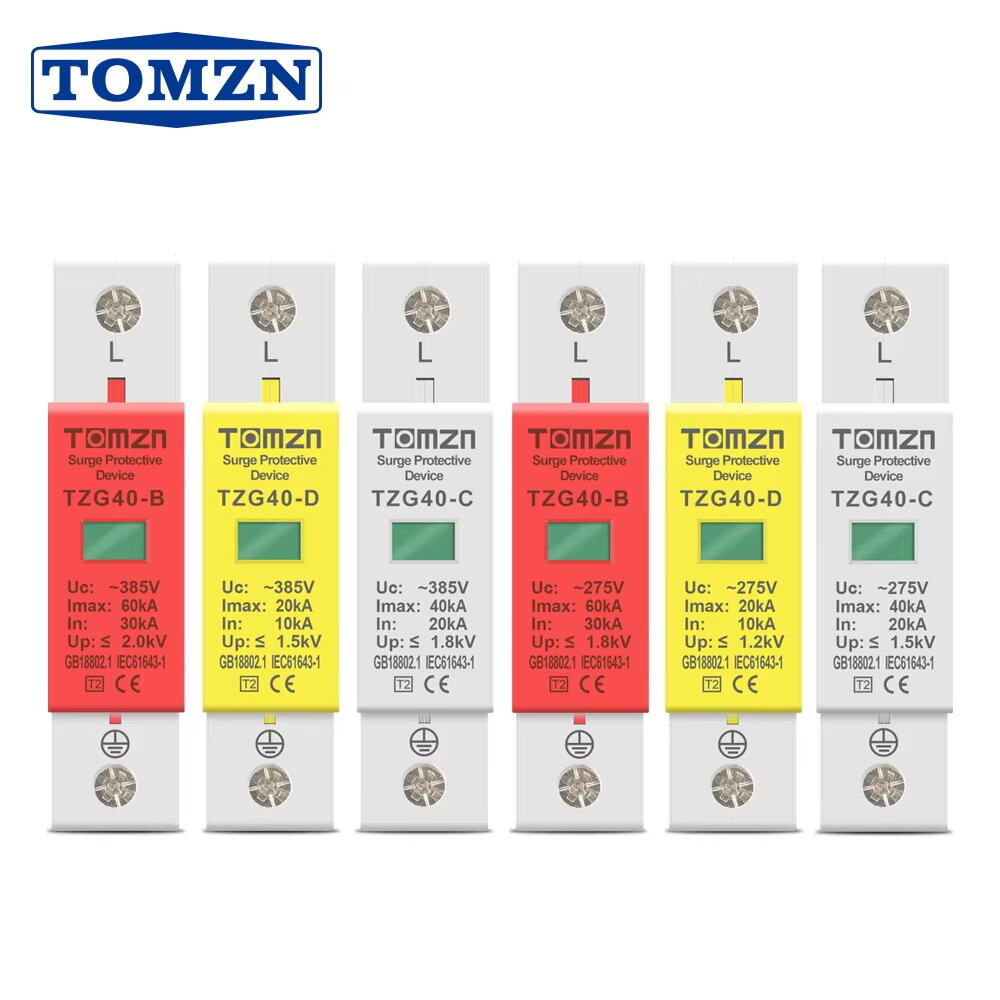
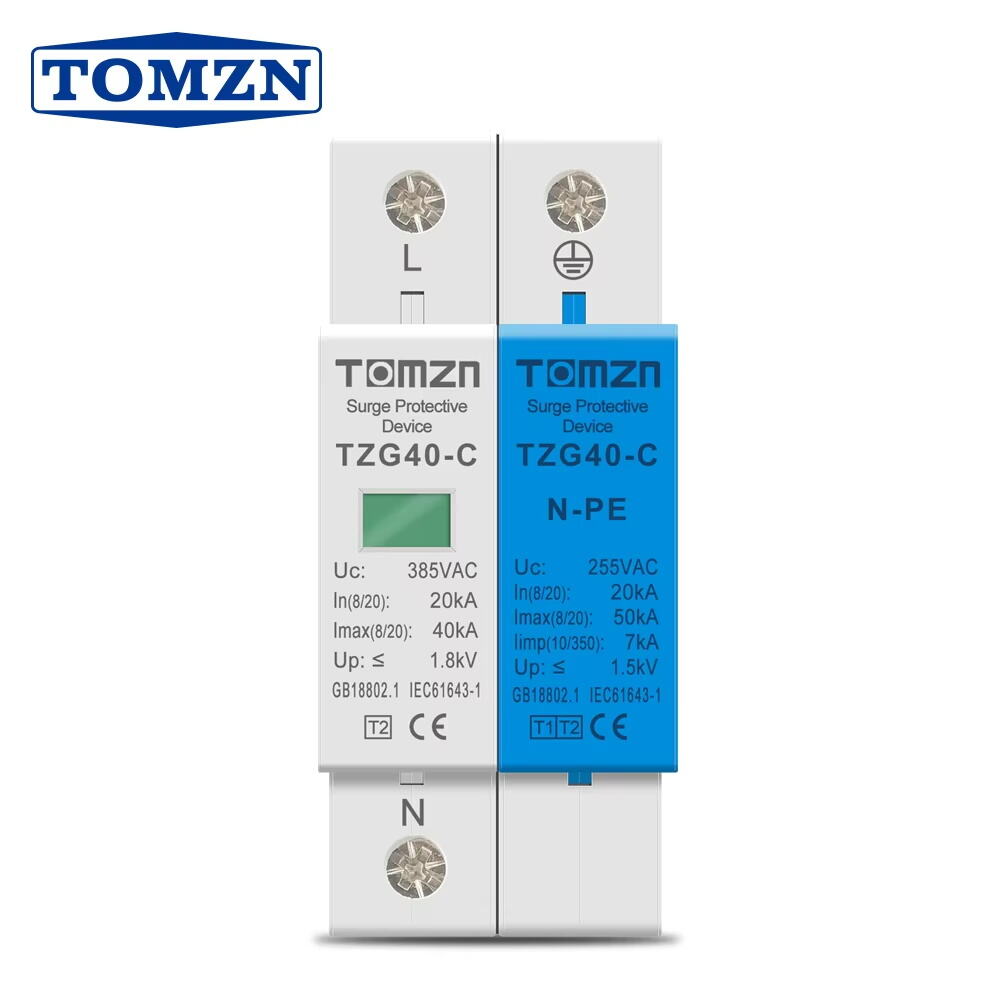
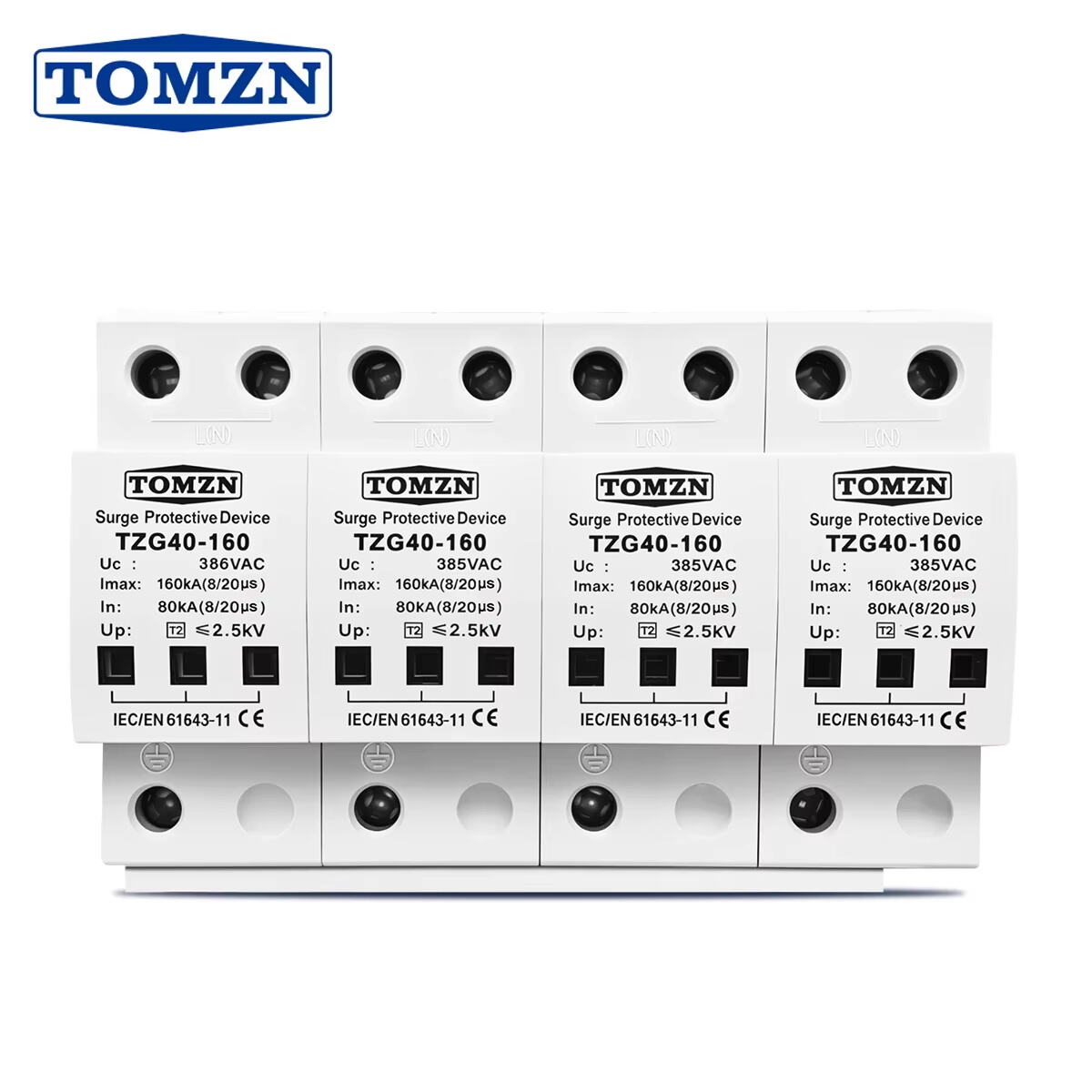
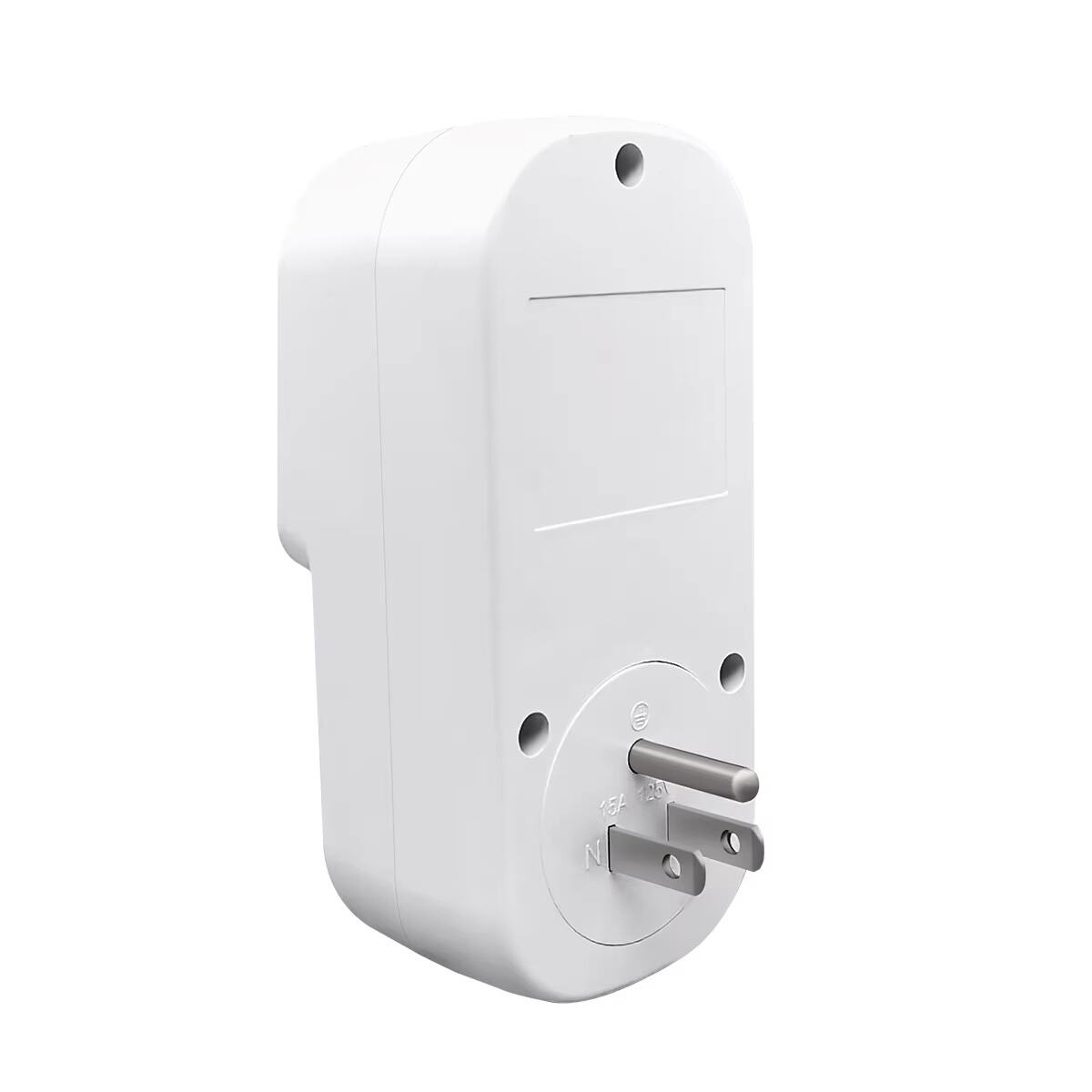
A transient surge, also known as a voltage spike or electrical surge, represents a sudden and significant increase in electrical voltage that typically lasts for microseconds to milliseconds. These power disturbances can reach voltages many times higher than normal operational levels, potentially causing severe damage to electrical and electronic equipment. Transient surges commonly originate from various sources, including lightning strikes, power grid switching operations, and the cycling of heavy electrical equipment. The phenomenon involves a rapid buildup of electrical charge followed by an equally rapid discharge, creating a wave-like disturbance in the power supply. Modern surge protection devices (SPDs) are designed to detect and divert these excess voltages to ground, protecting sensitive equipment from damage. These protective devices employ various technologies, including metal oxide varistors (MOVs), gas discharge tubes, and silicon avalanche diodes, working in conjunction to provide comprehensive surge protection. The application of transient surge protection extends across residential, commercial, and industrial settings, safeguarding everything from household electronics to critical industrial equipment and data centers. Understanding and managing transient surges has become increasingly important as our reliance on sensitive electronic equipment continues to grow in both personal and professional environments.

 EN
EN