
 EN
EN
As businesses and homeowners become increasingly conscious of energy consumption and costs, selecting the right energy meter has become a critical decision for efficient power management. Modern energy meters offer advanced features that go beyond simple consumption tracking, providing valuable insights into power quality, load patterns, and system efficiency. Understanding the key factors that influence energy meter selection will help you make an informed choice that aligns with your specific monitoring requirements and budget constraints.
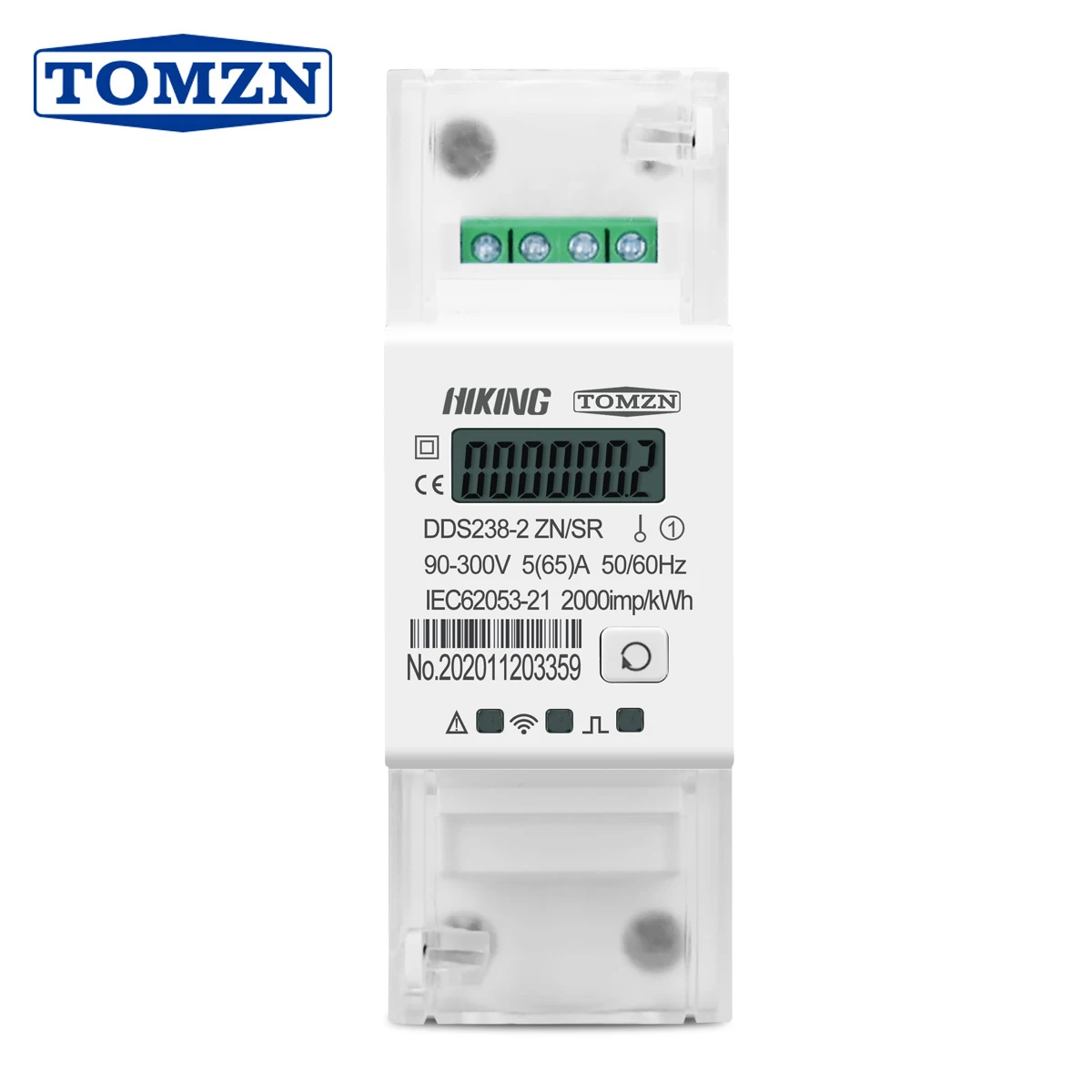
The evolution of energy measurement technology has introduced sophisticated digital meters with communication capabilities, real-time data logging, and remote monitoring functions. These advanced features enable facility managers and property owners to optimize energy usage patterns, identify inefficiencies, and implement cost-saving measures. Whether you're upgrading an existing system or installing meters for a new facility, understanding the technical specifications and application requirements will ensure optimal performance and long-term reliability.
Understanding Energy Meter Types and Technologies
Analog vs Digital Energy Meters
Traditional analog energy meters, also known as electromechanical meters, use rotating discs to measure electricity consumption through electromagnetic induction. While these meters have served reliably for decades, they offer limited functionality and require manual reading for data collection. The mechanical components are subject to wear over time, potentially affecting accuracy and requiring periodic calibration or replacement.
Digital energy meters represent the modern standard, utilizing electronic components and microprocessors to provide precise measurements and advanced features. These meters offer superior accuracy, typically within 0.2% to 1.0% tolerance, and can measure multiple parameters simultaneously including voltage, current, power factor, and frequency. Digital meters often include LCD or LED displays for real-time readings and may incorporate data logging capabilities for historical analysis.
Smart Meter Integration and Communication Protocols
Smart energy meters incorporate communication technologies that enable remote data transmission and system integration. Common communication protocols include RS485, Ethernet, WiFi, and cellular connections, allowing for seamless integration with building management systems or cloud-based monitoring platforms. These communication capabilities eliminate the need for manual meter readings and enable real-time monitoring of energy consumption patterns.
The selection of communication protocol depends on your infrastructure requirements and monitoring objectives. RS485 connections are ideal for local network integration and building automation systems, while ethernet and wireless options provide flexibility for remote monitoring applications. Consider factors such as transmission distance, network security requirements, and data update frequency when evaluating communication options for your energy meter installation.
Key Technical Specifications to Consider
Voltage and Current Rating Requirements
Proper voltage and current ratings are fundamental to energy meter selection, as they must match your electrical system characteristics to ensure accurate measurements and safe operation. Single-phase systems typically operate at 120V or 240V, while three-phase systems may use 208V, 240V, 480V, or higher voltages depending on the application. Verify your system voltage and select an energy meter with compatible input ranges and appropriate safety margins.
Current rating selection depends on the maximum load capacity of your electrical circuit or the specific loads you want to monitor. Energy meters are available in various current ranges, from 5A for small loads to 100A or higher for industrial applications. Consider both the normal operating current and potential peak loads when selecting current ratings, ensuring the meter can handle maximum expected currents without damage or accuracy degradation.
Accuracy Class and Measurement Parameters
Energy meter accuracy is classified according to international standards, with typical accuracy classes ranging from 0.2S to 2.0 for revenue-grade applications. Higher accuracy meters provide more precise measurements but typically cost more, so select the accuracy class that matches your application requirements and regulatory compliance needs. For billing applications, utilities often require Class 0.2S or 0.5S meters, while sub-metering applications may accept Class 1.0 or 2.0 accuracy.
Modern energy meters can measure numerous electrical parameters beyond basic energy consumption, including real power, reactive power, apparent power, power factor, total harmonic distortion, and individual phase measurements. Consider which parameters are important for your monitoring objectives and energy management goals. Additional measurement capabilities may justify higher initial costs through improved system optimization and maintenance insights.
Installation and Mounting Considerations
DIN Rail and Panel Mount Options
Energy meter mounting options significantly impact installation complexity and long-term accessibility. DIN rail mounting provides a standardized, space-efficient solution that simplifies installation in electrical panels and switchboards. DIN rail energy meters typically feature compact designs that allow multiple units to be installed in limited panel space while maintaining proper clearances for heat dissipation and service access.
Panel mount energy meters offer larger display screens and may provide more extensive local interface options, making them suitable for applications where on-site monitoring is important. These meters typically require rectangular cutouts in panel doors or enclosures and may need additional hardware for secure mounting. Consider your panel space constraints, display requirements, and installation preferences when choosing between DIN rail and panel mount configurations.
Environmental and Safety Requirements
Environmental conditions significantly affect energy meter performance and longevity, particularly in industrial or outdoor applications. Operating temperature ranges, humidity tolerance, and ingress protection ratings must be evaluated against your installation environment. Standard indoor energy meters typically operate from -10°C to +55°C, while extended range units may function from -40°C to +70°C for harsh environments.
Safety certifications and compliance with local electrical codes are essential for legal installation and insurance coverage. Look for energy meters with appropriate agency approvals such as UL, CE, or other regional certifications that demonstrate compliance with safety and performance standards. These certifications ensure the meter has been tested for electrical safety, electromagnetic compatibility, and environmental performance according to recognized industry standards.
Advanced Features and Functionality
Data Logging and Historical Analysis
Data logging capabilities enable energy meters to store consumption data over extended periods, providing valuable insights for energy management and billing applications. Internal memory capacity varies among different meter models, with some storing several months or years of data at configurable intervals. This historical data proves invaluable for identifying consumption trends, peak demand periods, and opportunities for energy optimization.
Advanced energy meters may offer programmable logging intervals, allowing users to balance data resolution with storage capacity. Shorter logging intervals provide detailed consumption profiles but consume memory more quickly, while longer intervals extend data retention at the cost of granular detail. Consider your analysis requirements and data retention needs when evaluating logging capabilities and memory specifications.
Alarm and Control Functions
Modern energy meters often include programmable alarm functions that can notify operators of abnormal conditions such as power quality issues, demand limit exceedances, or equipment malfunctions. These alarm capabilities enable proactive maintenance and help prevent costly equipment damage or production interruptions. Alarm outputs may be provided through relay contacts, digital communications, or visual indicators on the meter display.
Some advanced energy meters incorporate control functions such as load switching or demand response capabilities. These features allow the meter to automatically disconnect non-critical loads during peak demand periods or respond to utility demand response signals. Control functions require careful consideration of safety requirements and may need additional certifications for switching applications in critical systems.
Cost Analysis and Return on Investment
Initial Purchase and Installation Costs
Energy meter costs vary significantly based on features, accuracy, and communication capabilities, ranging from basic single-phase units under $100 to sophisticated three-phase meters costing several thousand dollars. While initial cost is important, consider the total cost of ownership including installation labor, configuration time, and ongoing maintenance requirements. Professional installation may be required for complex meters or high-voltage applications, adding to the total project cost.
Installation complexity affects labor costs and project timelines, particularly for retrofit applications or systems requiring extensive wiring modifications. DIN rail meters typically offer faster installation compared to panel mount units, while wireless communication options may reduce wiring requirements and associated labor costs. Factor in these installation considerations when comparing different energy meter options and preparing project budgets.
Long-term Benefits and Energy Savings
The return on investment for energy meter installations often comes through improved energy management, reduced peak demand charges, and identification of inefficient equipment or processes. Detailed energy monitoring enables facility managers to implement targeted efficiency improvements, optimize equipment scheduling, and reduce unnecessary energy consumption. These operational improvements typically generate ongoing cost savings that can justify the initial meter investment.
Advanced energy meters with power quality monitoring capabilities can help prevent equipment damage and extend asset life by identifying harmful electrical conditions before they cause failures. The cost of preventing a single motor failure or production interruption often exceeds the investment in comprehensive energy monitoring systems. Consider these potential avoided costs when evaluating the business case for energy meter upgrades or installations.
FAQ
What is the difference between revenue-grade and sub-metering energy meters
Revenue-grade energy meters meet strict accuracy requirements and certification standards for utility billing applications, typically featuring Class 0.2S or 0.5S accuracy and comprehensive testing documentation. Sub-metering energy meters are designed for internal cost allocation and monitoring purposes, often with lower accuracy requirements and reduced certification costs, making them suitable for tenant billing or departmental energy tracking where utility-grade precision is not required.
How do I determine the correct current transformer ratio for my energy meter installation
Current transformer ratio selection depends on your maximum load current and the energy meter's input rating, typically 1A or 5A secondary. Divide your maximum load current by the meter's rated input current to determine the minimum CT ratio, then select the next standard ratio above this value. For example, a 200A load with a 5A meter input would require a 40:5 or 50:5 CT ratio, ensuring the secondary current stays within the meter's measurement range during normal and peak operations.
Can energy meters with communication capabilities be retrofitted into existing electrical panels
Most modern energy meters with communication capabilities can be retrofitted into existing panels, provided adequate space and proper electrical connections are available. DIN rail mount meters offer the easiest retrofit option, requiring minimal panel modifications while providing advanced monitoring and communication features. However, retrofitting may require electrical work by qualified personnel to ensure proper installation, safety compliance, and integration with existing systems or building management networks.
What maintenance is required for digital energy meters and how long do they typically last
Digital energy meters require minimal maintenance compared to analog units, typically needing only periodic cleaning of displays and connection point inspections. Most quality digital energy meters are designed for 15-20 year service life under normal operating conditions, with some manufacturers offering extended warranties. Regular calibration verification may be required for revenue applications, typically every 5-10 years depending on local regulations and accuracy requirements, though many modern meters maintain accuracy throughout their service life without adjustment.
Table of Contents
- Understanding Energy Meter Types and Technologies
- Key Technical Specifications to Consider
- Installation and Mounting Considerations
- Advanced Features and Functionality
- Cost Analysis and Return on Investment
-
FAQ
- What is the difference between revenue-grade and sub-metering energy meters
- How do I determine the correct current transformer ratio for my energy meter installation
- Can energy meters with communication capabilities be retrofitted into existing electrical panels
- What maintenance is required for digital energy meters and how long do they typically last