
 EN
EN
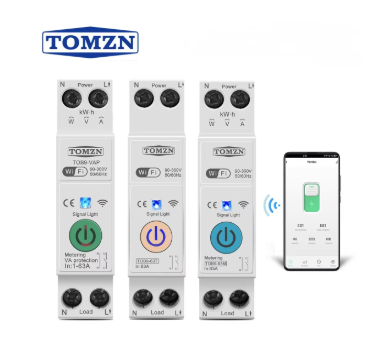
Direct current circuit protection has become increasingly critical as renewable energy systems and electric vehicle infrastructure continue expanding across residential and commercial applications. Understanding proper dc mcb selection ensures electrical safety while maintaining system reliability and compliance with modern electrical codes. Modern electrical systems require sophisticated protection mechanisms that can handle the unique characteristics of direct current flows, which behave differently from traditional alternating current systems. The growing adoption of solar photovoltaic installations, battery storage systems, and electric vehicle charging stations has created an urgent need for specialized circuit protection devices designed specifically for DC applications.
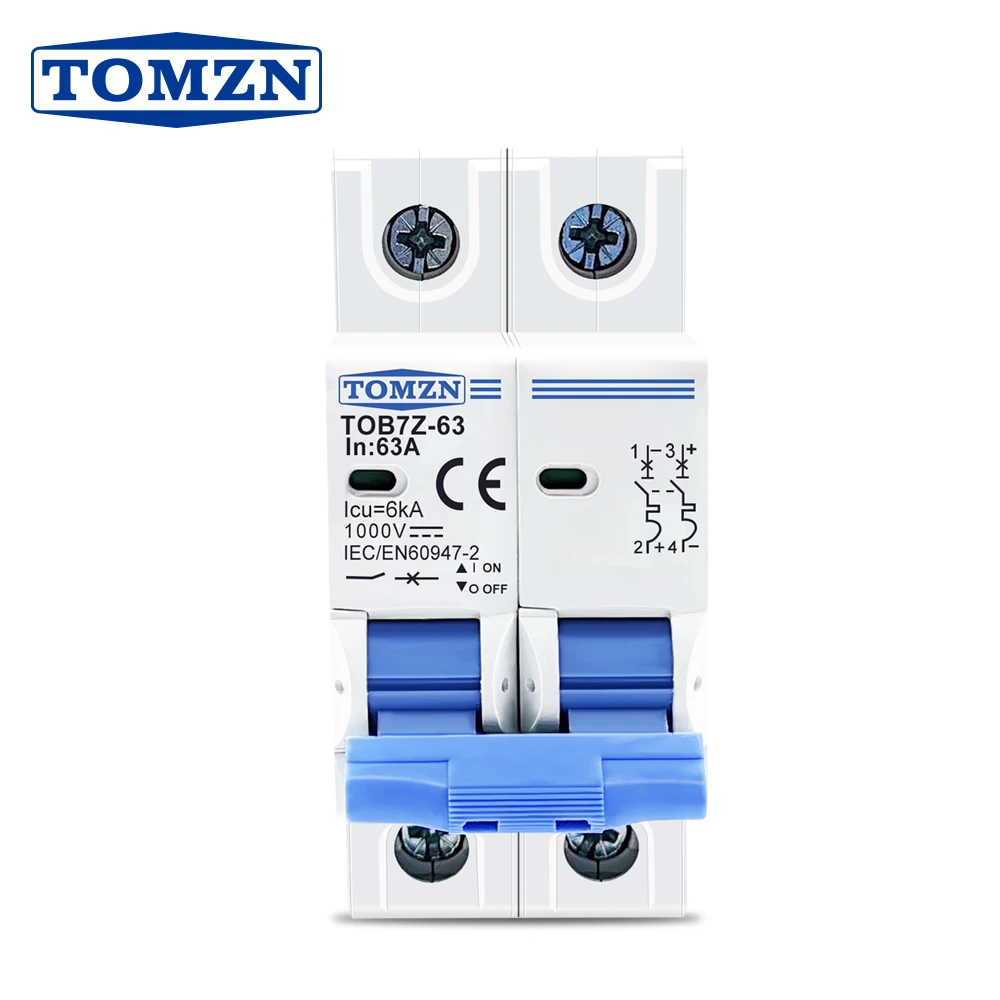
Understanding DC Circuit Protection Fundamentals
Direct Current Versus Alternating Current Characteristics
Direct current systems present unique challenges for circuit protection due to the continuous nature of DC power flow. Unlike alternating current that naturally crosses zero voltage twice per cycle, direct current maintains constant polarity and voltage levels, making arc extinction significantly more difficult when circuit breakers operate. This fundamental difference requires specialized dc mcb designs that incorporate enhanced arc-quenching mechanisms and materials capable of interrupting steady-state current flows without the natural zero-crossing points available in AC systems.
The magnetic field characteristics in DC circuits also differ substantially from AC applications, affecting how overcurrent protection devices respond to fault conditions. DC fault currents can rise more rapidly and maintain higher sustained levels compared to AC faults, requiring faster response times and higher interrupting capabilities from protective devices. Understanding these fundamental differences helps engineers and technicians select appropriate circuit protection solutions for their specific DC applications.
Arc Extinction Challenges in DC Systems
Arc extinction represents one of the most significant technical challenges in DC circuit protection, as the absence of natural current zero-crossings makes it difficult for conventional circuit breakers to interrupt current flow safely. DC arcs tend to be more stable and persistent than AC arcs, requiring specialized chamber designs and contact materials to ensure reliable interruption. Modern dc mcb units incorporate advanced arc-chute designs with magnetic blow-out mechanisms that use magnetic fields to stretch and cool the arc until extinction occurs.
The arc voltage in DC systems remains relatively constant throughout the interruption process, unlike AC systems where arc voltage varies with the sinusoidal current waveform. This constant arc voltage requires circuit breakers to maintain higher contact separation distances and more robust insulation systems to prevent re-ignition after interruption. Advanced materials such as silver-tungsten contact compositions provide improved arc resistance and longer operational life in demanding DC switching applications.
DC MCB Selection Criteria and Specifications
Voltage Rating Requirements
Proper voltage rating selection forms the foundation of safe and reliable DC circuit protection, with dc mcb units available in various voltage ranges from low-voltage residential applications up to high-voltage industrial systems. The rated voltage must exceed the maximum system voltage under all operating conditions, including transient overvoltages that may occur during switching operations or fault conditions. Solar photovoltaic systems, for example, may experience open-circuit voltages significantly higher than their nominal operating voltages, requiring careful consideration of temperature effects and series string configurations.
Modern DC circuit breakers are typically available in standard voltage ratings including 125V, 250V, 500V, 750V, and 1000V DC, with specialized high-voltage units available for utility-scale applications. The selection process must account for system expansion possibilities and future voltage increases that may result from adding additional solar panels or battery modules to existing installations. Proper derating factors should be applied when operating at high ambient temperatures or in enclosed environments where heat dissipation may be limited.
Current Rating and Breaking Capacity
Current rating selection requires careful analysis of both normal operating currents and potential fault current levels that may occur under various system conditions. The continuous current rating must accommodate the maximum expected load current plus appropriate safety margins, typically ranging from 125% to 150% of the calculated load current depending on application requirements and local electrical codes. Breaking capacity specifications define the maximum fault current that the dc mcb can safely interrupt without damage to the device or surrounding equipment.
Short-circuit current calculations in DC systems require consideration of source impedance characteristics, conductor resistance, and the time-current relationship of connected loads such as battery systems or power electronic converters. Modern dc mcb units offer breaking capacities ranging from 3kA to 25kA or higher, with the selection depending on the available fault current at the point of installation. Proper coordination with upstream protective devices ensures selective operation and minimizes system disruption during fault conditions.
Application-Specific Installation Guidelines
Solar Photovoltaic System Integration
Solar photovoltaic installations represent one of the most common applications for dc mcb technology, requiring careful consideration of unique environmental and operational factors. String-level protection typically requires individual circuit breakers for each series-connected panel string, with current ratings selected based on the short-circuit current rating of the connected modules. Temperature derating factors become particularly important in outdoor installations where ambient temperatures may exceed standard rating conditions.
Combiner box installations often incorporate multiple dc mcb units to provide individual string protection while maintaining accessibility for maintenance and troubleshooting. Proper labeling and identification requirements ensure compliance with electrical codes and facilitate safe maintenance procedures. Arc-fault detection capabilities may be required in certain jurisdictions, necessitating specialized dc mcb units with integrated arc-fault circuit interrupter functionality.
Battery Energy Storage Systems
Battery storage applications present unique challenges for dc mcb selection due to the high energy density and potential for sustained high-current discharge during fault conditions. Lithium-ion battery systems can deliver extremely high fault currents for extended periods, requiring circuit breakers with enhanced interrupting capabilities and faster response times. The selection process must consider both charging and discharging current profiles, including regenerative braking applications in electric vehicle systems.
Battery management system integration requires careful coordination between dc mcb operation and electronic protection systems to ensure proper fault isolation without compromising system availability. Remote monitoring and control capabilities enable automated switching operations and provide valuable diagnostic information for predictive maintenance programs. Proper ventilation and spacing requirements help ensure reliable operation in battery room environments where hydrogen gas accumulation may occur during charging operations.
Installation and Maintenance Best Practices
Proper Mounting and Environmental Considerations
Correct installation practices significantly impact the long-term reliability and safety performance of dc mcb installations, requiring attention to mounting orientation, clearance requirements, and environmental protection measures. Vertical mounting orientation typically provides optimal arc-quenching performance, while adequate spacing between adjacent devices prevents thermal interaction and ensures accessibility for maintenance operations. Enclosure selection must provide appropriate ingress protection ratings for the intended environment while maintaining adequate ventilation for heat dissipation.
Conductor termination practices require careful attention to torque specifications and contact surface preparation to minimize resistance and prevent overheating at connection points. Aluminum conductors may require special treatment or antioxidant compounds to prevent corrosion and maintain low-resistance connections over time. Proper strain relief and conductor support prevent mechanical stress that could lead to loose connections or contact degradation during thermal cycling.
Testing and Verification Procedures
Comprehensive testing procedures verify proper dc mcb operation and ensure compliance with applicable safety standards and performance specifications. Initial commissioning tests should include contact resistance measurements, insulation resistance verification, and trip curve validation using appropriate test equipment designed for DC applications. Functional testing of manual and automatic operations confirms proper mechanical operation and electrical performance under various load conditions.
Ongoing maintenance programs should include periodic inspection of contact surfaces, termination torque verification, and cleaning of arc chambers to remove carbon deposits that may accumulate during normal switching operations. Infrared thermography provides valuable insight into connection integrity and can identify developing problems before they result in equipment failure or safety hazards. Documentation of all testing and maintenance activities supports warranty claims and provides historical performance data for reliability analysis.
Advanced Features and Technologies
Electronic Trip Units and Communication Capabilities
Modern dc mcb designs increasingly incorporate electronic trip units that provide enhanced protection characteristics and advanced monitoring capabilities beyond traditional thermal-magnetic protection schemes. Electronic trip units enable precise current measurement, programmable time-current characteristics, and advanced protection functions such as ground fault detection and arc fault protection. Digital communication interfaces allow integration with building management systems and remote monitoring platforms for comprehensive system oversight.
Microprocessor-based protection systems can store historical data, provide diagnostic information, and enable predictive maintenance strategies that reduce unplanned downtime and extend equipment life. Advanced metering capabilities provide real-time power and energy measurements that support energy management programs and system optimization efforts. Cybersecurity features ensure secure communication and protect against unauthorized access to critical protection systems.
Smart Grid Integration and IoT Connectivity
Internet of Things connectivity enables dc mcb integration with smart grid infrastructure and distributed energy resource management systems, supporting advanced grid functions such as demand response and virtual power plant operations. Cloud-based analytics platforms can process protection system data to identify trends, predict equipment failures, and optimize maintenance schedules across multiple installations. Machine learning algorithms can improve protection coordination and reduce nuisance tripping through adaptive protection schemes.
Standardized communication protocols ensure interoperability with existing building automation and energy management systems while supporting future technology upgrades and system expansions. Edge computing capabilities enable local processing and decision-making that reduces dependence on cloud connectivity and improves system response times during critical operations. Blockchain technology may eventually support peer-to-peer energy trading and automated settlement systems in distributed energy networks.
FAQ
What are the key differences between AC and DC circuit breakers
DC circuit breakers differ from AC breakers primarily in their arc extinction mechanisms and contact designs. While AC breakers rely on natural current zero-crossings to extinguish arcs, DC breakers must use magnetic blow-out systems and specialized arc chambers to interrupt continuous current flow. DC breakers also require different contact materials and wider contact gaps to handle the sustained arcing characteristics of direct current systems.
How do I calculate the proper current rating for my DC application
Calculate the maximum expected load current and apply a safety factor of 125% to 150% depending on the application and local electrical codes. For solar applications, use the short-circuit current rating of the connected modules. For battery systems, consider both charging and discharging current requirements. Always verify that the selected rating provides adequate margin for system expansion and transient conditions.
What maintenance is required for DC circuit breakers
Regular maintenance should include visual inspection of contacts and terminals, torque verification of connections, cleaning of arc chambers, and functional testing of trip mechanisms. Infrared thermography can identify developing connection problems, while insulation resistance testing verifies electrical integrity. Maintenance intervals typically range from annual to every five years depending on environmental conditions and switching frequency.
Are special safety precautions needed when working with DC circuit breakers
Yes, DC systems require special safety considerations due to the sustained nature of DC arcs and the potential for shock hazards. Always verify complete de-energization using appropriate test equipment before beginning work. Use proper personal protective equipment rated for the voltage and energy levels present. Follow lockout/tagout procedures and be aware that DC arcs can be more persistent and dangerous than AC arcs during switching operations.