stable circuit breaker
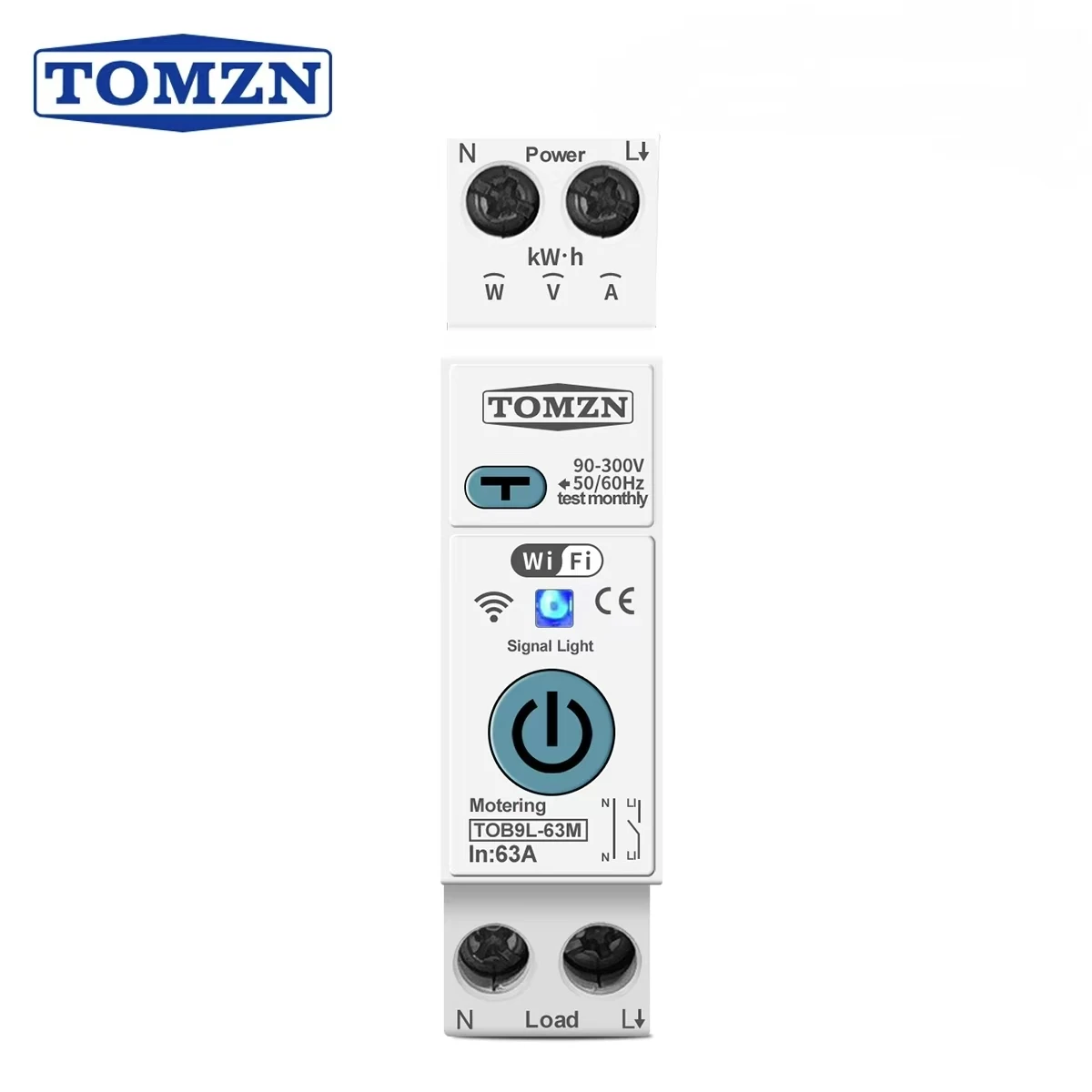
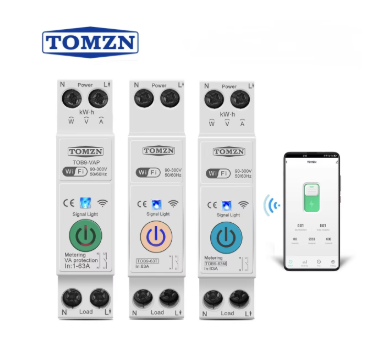
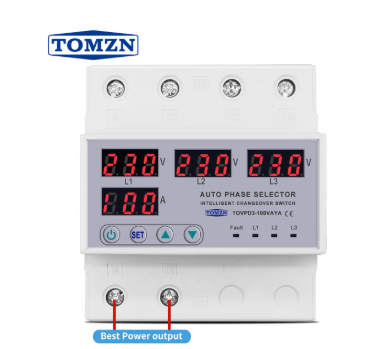
A stable circuit breaker represents a crucial advancement in electrical protection technology, designed to provide consistent and reliable interruption of electrical circuits during fault conditions. This sophisticated device combines robust mechanical construction with advanced electronic sensing capabilities to ensure optimal protection for electrical systems. The stable circuit breaker operates by continuously monitoring current flow and rapidly responding to any abnormal conditions, such as overloads or short circuits. Its primary function involves breaking the circuit when potentially hazardous situations arise, preventing damage to electrical equipment and reducing fire risks. The device incorporates state-of-the-art trip mechanisms that maintain their effectiveness over extended periods, ensuring long-term reliability. Key technological features include thermal-magnetic protection elements, precise calibration systems, and enhanced arc extinction capabilities. These components work in harmony to deliver consistent performance across varying operational conditions. The stable circuit breaker finds extensive applications in residential, commercial, and industrial settings, where it serves as a critical safety component in electrical distribution systems. Its versatility allows for installation in both new construction projects and system upgrades, making it an essential component for modern electrical infrastructure.

 EN
EN