
 EN
EN
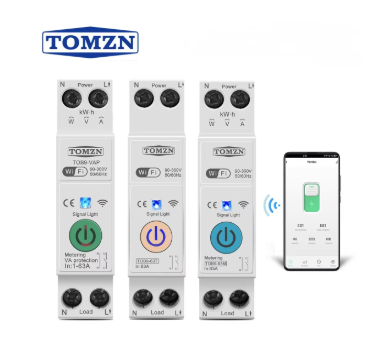
Power switching operations in industrial and commercial facilities require precise timing and coordination to maintain equipment safety and operational continuity. The ats response time plays a critical role in determining how quickly electrical systems can transition between power sources without causing damage to sensitive equipment or creating safety hazards. Understanding the relationship between switching speed and equipment protection is essential for facility managers, electrical engineers, and maintenance professionals who oversee critical power infrastructure.
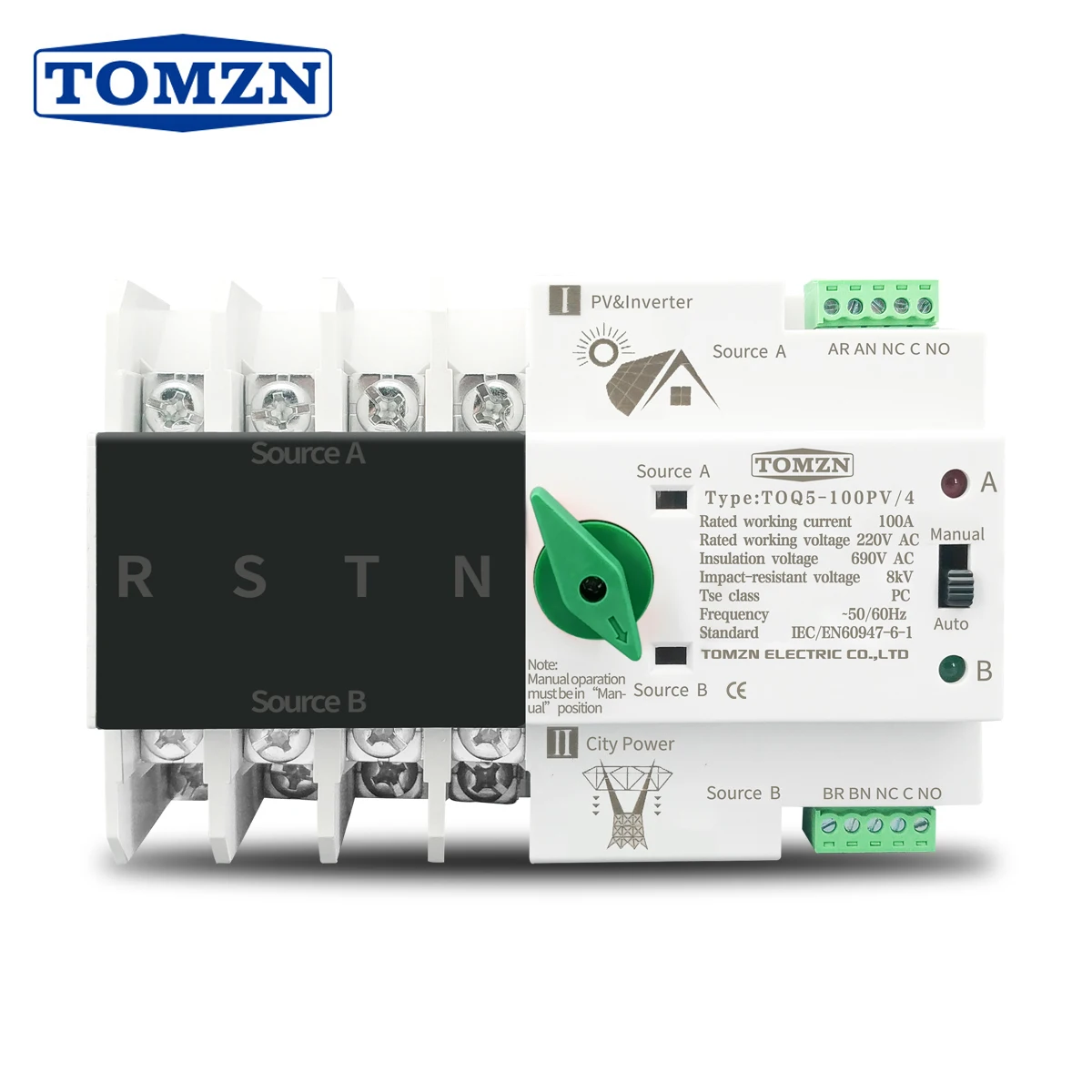
Modern automatic transfer switches must balance speed with reliability to ensure seamless power transitions. When the ats response time is optimized correctly, it prevents voltage interruptions that could cause motor starters to drop out, computer systems to crash, or manufacturing processes to halt unexpectedly. The timing characteristics of these switching devices directly influence the overall safety profile of electrical installations and determine whether connected equipment can maintain stable operation during power source changes.
Understanding ATS Response Time Fundamentals
Basic Timing Parameters in Transfer Switches
The ats response time encompasses several distinct phases during the power transfer process, each contributing to the overall switching duration. Detection time represents the initial period when the transfer switch identifies a power quality issue or outage on the primary source. This phase typically ranges from milliseconds to several seconds depending on the sensitivity settings and monitoring capabilities of the specific device.
Transfer time constitutes the mechanical or electronic switching action that physically changes the connection from one power source to another. Solid-state transfer switches can achieve switching times under one millisecond, while mechanical contactors may require 100 to 500 milliseconds to complete the transfer operation. The total ats response time combines both detection and transfer phases to determine the complete duration of the switching event.
Stabilization time represents the final phase where the new power source establishes stable voltage and frequency parameters before the load is fully energized. This period ensures that connected equipment receives clean, stable power immediately after the transfer, preventing startup issues or equipment damage that could result from voltage transients or frequency deviations.
Factors Influencing Response Speed
Voltage sensing thresholds significantly impact the ats response time by determining when the switch recognizes an abnormal condition requiring transfer action. Lower voltage thresholds may reduce nuisance transfers but could allow equipment to experience damaging undervoltage conditions. Higher thresholds provide better equipment protection but may result in more frequent transfers during minor power quality disturbances.
Time delay settings allow operators to customize the ats response time based on specific application requirements and load characteristics. Shorter delays provide faster protection but may cause unnecessary transfers during temporary power disturbances. Longer delays reduce the frequency of transfers but may expose equipment to prolonged abnormal conditions that could cause operational problems or component damage.
Load current levels affect the switching speed of mechanical transfer switches due to the increased contact separation force required to interrupt higher current flows safely. Electronic transfer switches maintain consistent ats response time regardless of load current, making them suitable for applications where fast, predictable switching is essential for equipment protection.
Equipment Safety Implications of Response Timing
Motor Protection and Starting Characteristics
Electric motors represent one of the most critical equipment categories affected by ats response time variations. Motor contactors typically drop out within 50 to 100 milliseconds when voltage falls below 70 percent of nominal values. If the transfer switch response exceeds this threshold, motors will coast down and require restart procedures that may include time delays to prevent damage from inrush current.
Fast transfer switches with ats response time under 100 milliseconds can maintain motor operation during power source transitions, eliminating the need for restart delays and maintaining continuous production. This capability is particularly important in manufacturing facilities where motor-driven processes cannot tolerate interruptions without affecting product quality or creating safety hazards.
Motor starting requirements must be considered when selecting appropriate ats response time characteristics. Large motors may require several seconds to accelerate to full speed, during which they draw significant inrush current. Transfer switches must coordinate with motor starting to prevent overloading the backup power source and ensure successful equipment restart following power transitions.
Electronic Equipment Vulnerability
Sensitive electronic equipment including computers, programmable logic controllers, and variable frequency drives have strict power quality requirements that directly relate to acceptable ats response time limits. These devices typically incorporate power supply hold-up circuits that maintain operation for 16 to 50 milliseconds during voltage interruptions, depending on the specific design and loading conditions.
When ats response time exceeds the hold-up capability of electronic equipment, devices may reset, lose data, or enter fault conditions that require manual intervention to restore normal operation. Critical control systems and safety equipment require uninterrupted power to maintain proper function, making fast transfer switches essential for protecting these sensitive loads.
Power supply filtering and energy storage capabilities in modern electronic equipment continue to improve, but the fundamental relationship between ats response time and equipment protection remains unchanged. Faster switching provides better protection for sensitive loads while reducing the risk of operational disruptions and data loss during power quality events.
Safety Hazards from Delayed Power Switching
Industrial Process Disruption
Manufacturing processes that depend on continuous power for safety systems face significant risks when ats response time exceeds equipment tolerance limits. Conveyor systems may stop unexpectedly, creating collision hazards or material handling problems that could injure workers or damage products. Chemical processes require continuous monitoring and control to prevent dangerous reactions or environmental releases.
Emergency lighting and exit signs must maintain illumination during power transitions to ensure safe building evacuation in emergency situations. Extended ats response time can cause these critical safety systems to activate battery backup modes unnecessarily, reducing their available runtime for actual emergency conditions. Proper coordination between transfer switch timing and safety equipment ensures reliable emergency protection.
Fire protection systems including sprinkler pumps, smoke evacuation fans, and alarm systems require uninterrupted power to function effectively during emergency situations. When ats response time is too slow, these systems may experience operational interruptions that compromise building safety and life protection capabilities.
Medical and Life Safety Equipment
Healthcare facilities depend on automatic transfer switches to maintain power for life support equipment, surgical instruments, and patient monitoring systems. The ats response time in these applications must be fast enough to prevent any interruption in critical medical devices that could endanger patient safety or compromise medical procedures.
Operating room equipment including anesthesia machines, surgical lights, and monitoring devices cannot tolerate power interruptions during procedures. Transfer switches in medical facilities typically require response times under 10 seconds for general loads and under 100 milliseconds for critical care equipment to meet healthcare facility safety standards.
Emergency communication systems in hospitals must maintain operation during power outages to coordinate emergency response and patient care activities. Slow ats response time can cause communication system failures that impede emergency response and create dangerous situations for patients and staff.
Optimization Strategies for Safe Operations
Selecting Appropriate Response Time Settings
Proper ats response time configuration requires careful analysis of connected equipment characteristics and operational requirements. Load sensitivity studies help determine the maximum acceptable transfer time for each application, considering factors such as motor coasting time, electronic equipment hold-up duration, and process continuity requirements.
Utility power quality monitoring provides valuable data for optimizing transfer switch settings to minimize unnecessary operations while maintaining adequate equipment protection. Historical power quality data helps establish appropriate voltage and frequency thresholds that balance sensitivity with operational reliability.
Regular testing and calibration of transfer switch timing ensures that actual ats response time matches design specifications and application requirements. Timing drift can occur over time due to component aging or environmental factors, making periodic verification essential for maintaining safe operations.
Coordination with Protection Systems
Circuit breaker coordination must account for ats response time to prevent false trips during normal transfer operations. Breaker time-current curves should allow sufficient margin for transfer switch operation without compromising overcurrent protection for connected equipment and conductors.
Generator starting systems require coordination with transfer switch timing to ensure adequate warmup time before accepting load transfers. Cold weather conditions may extend generator starting time, requiring adjustments to ats response time settings to prevent transfer attempts before the generator reaches stable operating conditions.
Uninterruptible power supply systems can provide additional protection during transfer switch operation by maintaining power to critical loads during the brief interruption period. UPS systems with sufficient runtime can eliminate timing concerns for sensitive equipment while allowing longer ats response time for improved transfer reliability.
Maintenance and Monitoring Considerations
Performance Verification Procedures
Regular testing protocols should include verification of actual ats response time under various operating conditions to ensure consistent performance. Test procedures must simulate realistic operating conditions including different load levels, ambient temperatures, and power source characteristics that could affect switching speed.
Timing measurements require specialized test equipment capable of accurately recording transfer switch response characteristics. Digital oscilloscopes or power quality analyzers can capture detailed timing data that helps identify performance trends and potential problems before they affect equipment safety.
Documentation of timing test results provides valuable maintenance data for tracking transfer switch performance over time. Significant changes in ats response time may indicate component wear, calibration drift, or other issues requiring corrective action to maintain safe operations.
Preventive Maintenance Impact
Contact cleaning and lubrication procedures directly affect mechanical transfer switch response time by reducing friction and improving electrical connections. Oxidation and contamination can increase contact resistance and slow switching operations, potentially compromising equipment protection during power quality events.
Control circuit maintenance includes verification of sensing circuits, time delay relays, and control power supplies that determine ats response time accuracy. Weak control power supplies or failing time delay components can cause erratic timing behavior that creates safety risks for connected equipment.
Software updates for electronic transfer switches may include improvements to timing algorithms or additional features that affect ats response time characteristics. Staying current with manufacturer recommendations ensures optimal performance and compatibility with modern equipment protection requirements.
FAQ
What is the typical ats response time for industrial applications?
Industrial automatic transfer switches typically have response times ranging from 1 to 6 seconds for standard applications, though this can vary based on the specific requirements and sensitivity settings. Fast-acting transfer switches designed for sensitive loads can achieve response times under 100 milliseconds, while utility-grade switches may have longer response times of 10 to 30 seconds to avoid unnecessary transfers during temporary power disturbances.
How does ats response time affect motor starting after power transfer?
When the ats response time exceeds motor contactor dropout time (typically 50-100 milliseconds), motors will coast down and require restart procedures. This includes time delays to allow motor coasting to prevent damage from out-of-phase reconnection, potentially extending total outage time to several seconds or minutes depending on motor size and application requirements.
Can slow ats response time damage sensitive electronic equipment?
Yes, slow ats response time can cause sensitive electronic equipment to reset, lose data, or enter fault conditions when the transfer duration exceeds the equipment's power supply hold-up time. Most electronic devices can maintain operation for 16-50 milliseconds during voltage interruptions, so transfer times exceeding these limits may cause operational disruptions or require manual intervention to restore normal function.
What safety standards govern ats response time requirements?
Safety standards including NFPA 99 for healthcare facilities, NFPA 110 for emergency power systems, and UL 1008 for transfer switch equipment establish specific timing requirements based on application criticality. Healthcare facilities typically require response times under 10 seconds for general loads and under 100 milliseconds for life safety equipment, while other applications may have different timing requirements based on connected load characteristics and safety considerations.