
 EN
EN
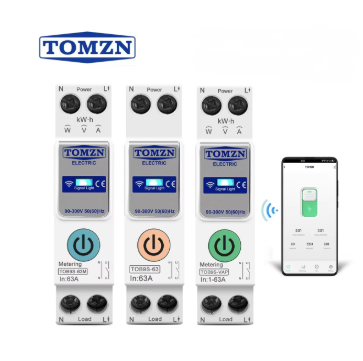
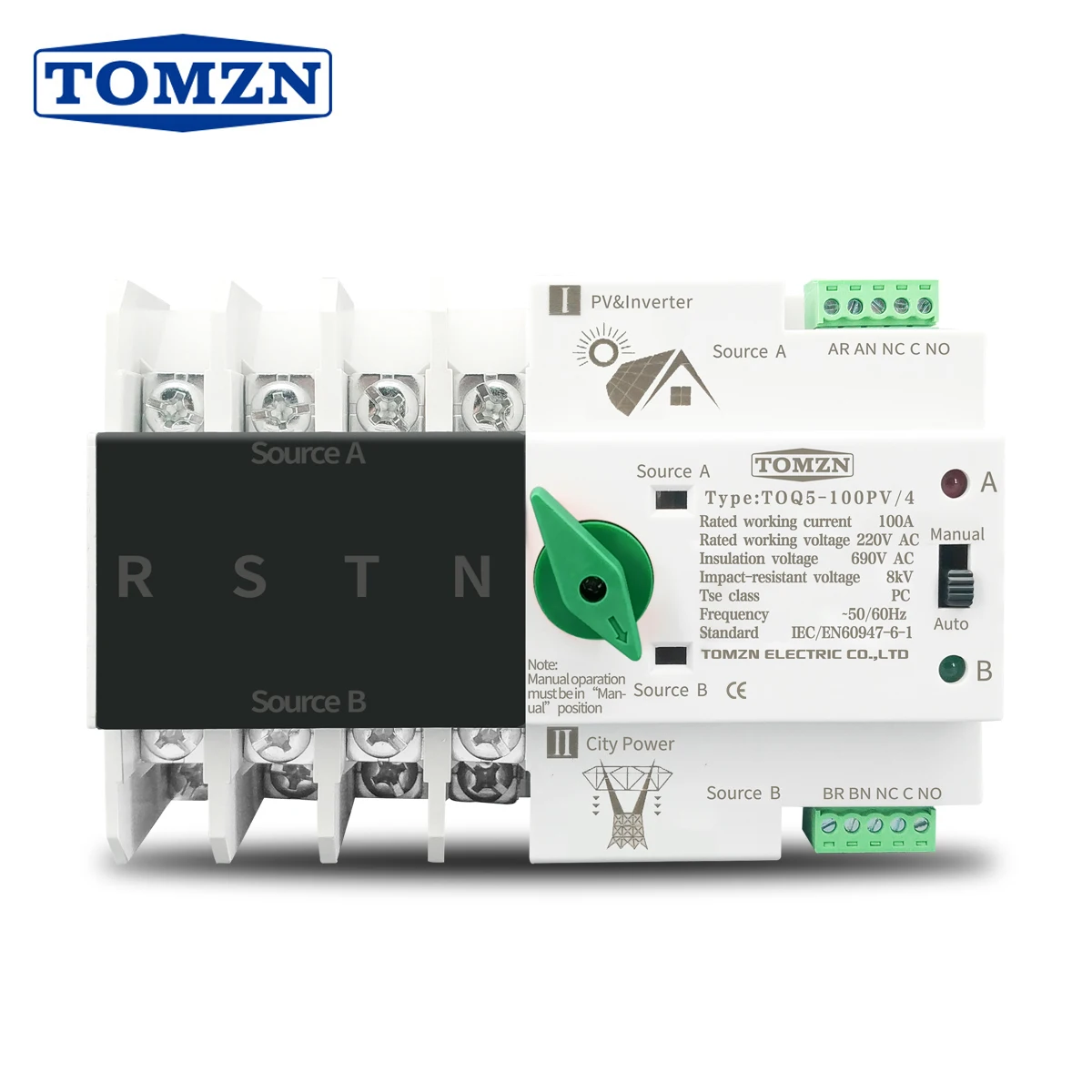
Industrial environments face numerous power challenges that can disrupt operations, damage equipment, and result in significant financial losses. An automatic transfer switch serves as a critical component in maintaining continuous power supply and protecting valuable industrial equipment from various electrical disturbances. These sophisticated devices automatically detect power interruptions and seamlessly transfer the electrical load from the primary power source to a backup generator or alternative power supply, ensuring uninterrupted operations in manufacturing facilities, data centers, and other mission-critical industrial applications.
Power reliability remains one of the most pressing concerns for industrial facility managers worldwide. The consequences of unexpected power outages extend far beyond temporary inconvenience, often resulting in production downtime, equipment damage, data loss, and compromised safety systems. Modern industrial operations depend heavily on consistent electrical supply to maintain automated processes, climate control systems, security infrastructure, and critical manufacturing equipment that cannot tolerate even brief power interruptions.
Understanding the various power issues that plague industrial environments and how an automatic transfer switch can provide effective protection is essential for facility managers, electrical engineers, and maintenance professionals. By implementing proper power management solutions, industrial facilities can significantly reduce the risk of costly disruptions while maintaining operational efficiency and equipment longevity.
Power Quality Issues in Industrial Settings
Voltage Fluctuations and Their Impact
Voltage fluctuations represent one of the most common power quality issues affecting industrial equipment. These variations in voltage levels can occur due to utility grid instabilities, sudden load changes, or electrical faults within the facility's distribution system. When voltage levels deviate significantly from nominal values, sensitive electronic equipment may malfunction, motors may operate inefficiently, and control systems may experience erratic behavior that compromises production quality.
An automatic transfer switch helps mitigate voltage fluctuation problems by continuously monitoring the primary power source and initiating transfer to a stable backup power supply when voltage levels fall outside acceptable parameters. This proactive approach prevents equipment damage and maintains consistent power quality throughout the facility. Advanced automatic transfer switch systems can detect voltage variations within milliseconds and execute seamless transfers that are virtually imperceptible to connected loads.
Industrial facilities operating precision machinery, computerized control systems, or sensitive electronic equipment particularly benefit from the voltage regulation capabilities provided by automatic transfer switch installations. By maintaining stable voltage levels through strategic power source management, these systems help preserve equipment calibration, prevent data corruption, and ensure consistent product quality in manufacturing processes.
Frequency Deviations and System Instability
Electrical frequency deviations can cause serious operational problems in industrial environments, particularly for equipment designed to operate at specific frequency ranges. Motors, transformers, and electronic drives are especially sensitive to frequency variations, which can result in reduced efficiency, increased heat generation, and premature component failure. Utility grid disturbances, generator instabilities, or power system faults often contribute to frequency deviations that compromise industrial operations.
Implementing an automatic transfer switch with frequency monitoring capabilities provides effective protection against frequency-related power issues. These systems continuously evaluate both voltage and frequency parameters of the primary power source, automatically transferring to backup power when frequency deviations exceed predetermined thresholds. This rapid response capability helps protect sensitive equipment while maintaining operational continuity during grid instability events.
Modern automatic transfer switch designs incorporate sophisticated frequency detection algorithms that can distinguish between temporary grid fluctuations and sustained frequency problems. This intelligent discrimination prevents unnecessary transfers while ensuring reliable protection when genuine frequency issues occur, optimizing both equipment protection and operational efficiency in industrial applications.
Outage Prevention and Continuity Solutions
Complete Power Loss Protection
Complete power outages pose the greatest threat to industrial operations, potentially resulting in catastrophic production losses, equipment damage, and safety hazards. Utility failures, severe weather events, equipment malfunctions, or scheduled maintenance activities can cause total power loss that brings industrial processes to an immediate halt. Without proper backup power systems and transfer mechanisms, facilities may experience extended downtime that severely impacts productivity and profitability.
An automatic transfer switch provides seamless protection against complete power loss by immediately detecting utility failures and transferring critical loads to backup generators or alternative power sources. This automated response eliminates the need for manual intervention and ensures that essential systems remain operational throughout power outage events. The transfer process typically occurs within seconds, minimizing disruption to ongoing industrial processes.
Industrial facilities implementing automatic transfer switch systems can maintain critical operations during extended utility outages, protecting against production losses while ensuring worker safety through continued operation of lighting, ventilation, and emergency systems. The ability to maintain power continuity also prevents damage to temperature-sensitive processes, preserves valuable work-in-progress materials, and enables orderly shutdown procedures when necessary.
Brownout and Undervoltage Protection
Brownouts and sustained undervoltage conditions create challenging operating environments for industrial equipment, often causing more damage than complete power outages. These conditions occur when utility demand exceeds supply capacity, forcing voltage levels below normal operating ranges for extended periods. Motors struggle to maintain proper torque output, electronic systems may reset repeatedly, and heating elements may not reach required temperatures during brownout conditions.
Automatic transfer switch systems equipped with undervoltage detection capabilities provide essential protection against brownout conditions by monitoring voltage levels continuously and initiating transfer to backup power when sustained low-voltage conditions are detected. This proactive approach prevents equipment damage while ensuring that industrial processes continue operating within normal parameters despite utility voltage problems.
The integration of time-delay functions in modern automatic transfer switch designs prevents unnecessary transfers during brief voltage dips while ensuring reliable protection during sustained undervoltage events. This intelligent operation helps optimize equipment life while maintaining operational reliability in challenging power quality environments that are increasingly common in overloaded electrical grids.
Equipment Protection and System Reliability
Motor and Drive System Protection
Industrial motor systems and variable frequency drives represent significant capital investments that require protection from various power quality issues. These components are particularly vulnerable to voltage variations, phase imbalances, and power interruptions that can cause winding damage, bearing failures, or electronic component destruction. Power quality problems affecting motor systems often result in reduced efficiency, increased maintenance requirements, and premature replacement costs.
An automatic transfer switch system provides comprehensive protection for motor and drive systems by ensuring consistent power quality and eliminating exposure to harmful electrical conditions. When primary power quality deteriorates beyond acceptable limits, the automatic transfer switch immediately provides clean, stable power from backup sources, protecting valuable motor investments while maintaining production schedules.
Advanced automatic transfer switch installations can incorporate motor protection features such as phase rotation monitoring, phase loss detection, and voltage imbalance protection. These enhanced capabilities provide comprehensive safeguarding for critical motor systems while reducing maintenance costs and extending equipment service life in demanding industrial applications.
Control System and Instrumentation Safety
Modern industrial facilities rely heavily on computerized control systems, programmable logic controllers, and sophisticated instrumentation that require stable, high-quality electrical power to function properly. These systems are extremely sensitive to power disturbances and may experience data corruption, program errors, or complete system failures when subjected to poor power quality conditions or unexpected outages.
Implementing automatic transfer switch protection for control systems and instrumentation ensures continuous operation and data integrity throughout power quality events. The rapid transfer capabilities of modern automatic transfer switch designs prevent system resets and maintain critical process control functions during utility disturbances, avoiding production disruptions and potential safety hazards associated with control system failures.
Industrial control systems protected by automatic transfer switch installations demonstrate improved reliability, reduced maintenance requirements, and enhanced data security compared to unprotected systems. The consistent power quality provided through automatic backup power management helps maintain calibration accuracy, prevents configuration losses, and ensures continuous monitoring of critical process parameters.
Economic Benefits and Cost Savings
Production Downtime Reduction
Production downtime represents one of the most significant costs associated with power quality problems in industrial environments. Each minute of unexpected production stoppage can result in thousands of dollars in lost revenue, particularly in high-volume manufacturing operations or continuous process industries. The cumulative impact of multiple power disturbances throughout the year often far exceeds the investment required for comprehensive automatic transfer switch protection systems.
Facilities equipped with properly designed automatic transfer switch systems experience dramatically reduced downtime compared to those relying solely on utility power. The immediate response to power quality issues and seamless transfer to backup power sources maintains production continuity, protecting against lost revenue while preserving delivery schedules and customer relationships.
The economic benefits of downtime reduction through automatic transfer switch implementation extend beyond immediate production losses to include reduced overtime costs, decreased expedited shipping expenses, and improved customer satisfaction scores. These comprehensive benefits often justify automatic transfer switch investments within the first year of operation in critical industrial applications.
Equipment Maintenance and Replacement Savings
Power quality problems accelerate equipment wear and increase maintenance requirements across all types of industrial machinery. Motors operating under poor voltage conditions experience increased bearing wear and winding stress, while electronic systems subjected to power disturbances require more frequent repairs and component replacements. These ongoing maintenance costs accumulate significantly over time, particularly in facilities experiencing frequent power quality issues.
Automatic transfer switch systems protect industrial equipment from harmful power conditions, substantially reducing maintenance requirements and extending equipment service life. By providing consistent, high-quality electrical power through strategic source management, these systems help minimize wear and tear while reducing the frequency of costly repairs and premature replacements.
The maintenance savings achieved through automatic transfer switch protection often represent a substantial portion of the system's return on investment. Reduced bearing replacements, fewer electronic repairs, and extended equipment life cycles contribute to significant cost reductions that continue throughout the facility's operational lifetime, making automatic transfer switch systems excellent long-term investments for industrial applications.
Implementation Considerations and Best Practices
System Sizing and Load Analysis
Proper sizing of automatic transfer switch systems requires comprehensive analysis of facility electrical loads, including both normal operating conditions and emergency power requirements. Critical loads that must remain operational during power outages need to be identified and prioritized, while non-essential loads can be programmed for automatic disconnection to optimize backup generator capacity and runtime.
Load analysis for automatic transfer switch applications should consider starting currents for motors, power factor characteristics of electronic loads, and potential load growth over the system's service life. Proper sizing ensures reliable operation while avoiding oversizing that increases initial costs and reduces system efficiency during normal operation.
Industrial facilities benefit from working with experienced electrical engineers who understand the unique requirements of automatic transfer switch applications in demanding environments. Professional load analysis and system design help optimize performance while ensuring compliance with relevant electrical codes and safety standards.
Maintenance and Testing Requirements
Regular maintenance and testing of automatic transfer switch systems ensures reliable operation when power quality issues occur. Preventive maintenance programs should include inspection of electrical connections, testing of control circuits, verification of transfer timing, and exercise of backup power systems under load conditions.
Automatic transfer switch maintenance schedules should align with facility shutdown periods to minimize operational disruptions while ensuring thorough system inspection and testing. Documentation of all maintenance activities and test results helps identify trends and potential issues before they compromise system reliability.
Modern automatic transfer switch systems incorporate diagnostic capabilities and communication interfaces that facilitate remote monitoring and predictive maintenance programs. These advanced features help optimize maintenance scheduling while providing early warning of potential problems that could affect system performance during critical power quality events.
FAQ
What types of power issues can an automatic transfer switch prevent in industrial settings
An automatic transfer switch can prevent numerous power issues including complete outages, voltage fluctuations, frequency deviations, brownouts, and phase imbalances. These systems continuously monitor primary power quality and automatically transfer to backup sources when electrical parameters fall outside acceptable ranges, protecting sensitive industrial equipment from damage while maintaining operational continuity.
How quickly does an automatic transfer switch respond to power quality problems
Modern automatic transfer switch systems typically respond to power quality issues within milliseconds to seconds, depending on the specific problem detected and system configuration. Voltage and frequency monitoring occurs continuously, with transfer initiation beginning immediately when predetermined thresholds are exceeded. Complete transfer to backup power usually occurs within 10 seconds or less for most industrial applications.
Can automatic transfer switches work with renewable energy sources like solar panels
Yes, advanced automatic transfer switch systems can integrate with renewable energy sources including solar panels, wind generators, and battery storage systems. These systems can manage multiple power sources simultaneously, optimizing energy usage while providing backup power capabilities. Integration with renewable energy systems requires proper system design and compatible control interfaces.
What maintenance is required for industrial automatic transfer switch systems
Industrial automatic transfer switch systems require regular maintenance including visual inspection of components, testing of control circuits, verification of transfer timing, cleaning of electrical contacts, and exercise testing under load conditions. Maintenance frequency typically ranges from quarterly to annually depending on environmental conditions and system utilization. Professional maintenance by qualified technicians ensures optimal performance and reliability.
Table of Contents
- Power Quality Issues in Industrial Settings
- Outage Prevention and Continuity Solutions
- Equipment Protection and System Reliability
- Economic Benefits and Cost Savings
- Implementation Considerations and Best Practices
-
FAQ
- What types of power issues can an automatic transfer switch prevent in industrial settings
- How quickly does an automatic transfer switch respond to power quality problems
- Can automatic transfer switches work with renewable energy sources like solar panels
- What maintenance is required for industrial automatic transfer switch systems