
 EN
EN
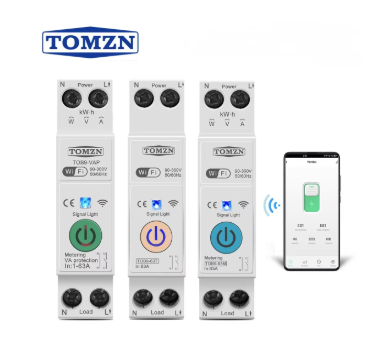
Understanding how a circuit breaker functions in your home is essential for maintaining electrical safety and preventing potential hazards. A circuit breaker serves as a protective device that automatically interrupts electrical flow when it detects dangerous conditions such as overloads or short circuits. This critical component safeguards your home's electrical system by stopping excessive current before it can damage wiring, appliances, or cause fires. Modern residential electrical systems rely heavily on these protective mechanisms to ensure safe operation of household circuits.
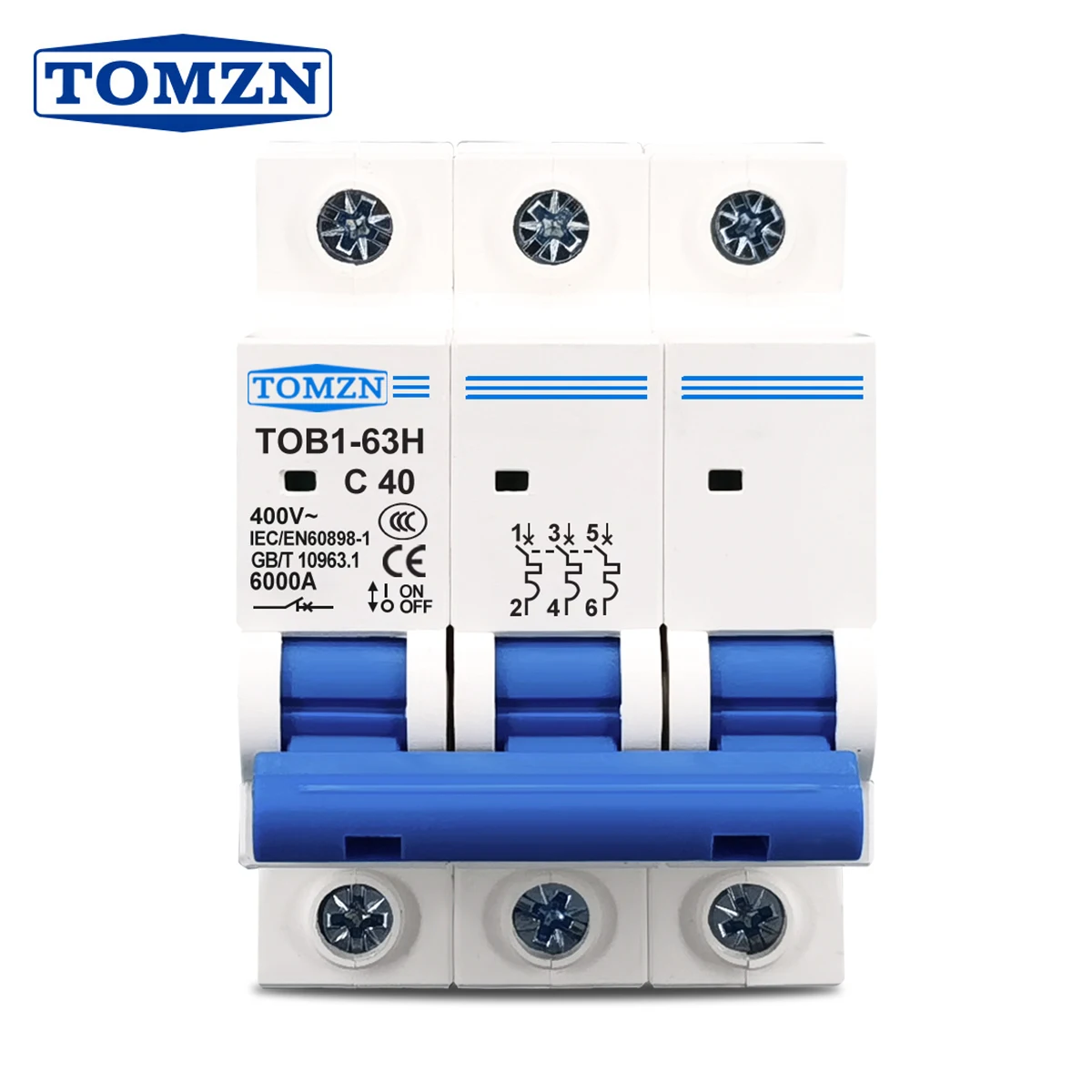
Basic Operating Principles of Circuit Breakers
Electromagnetic Mechanism
The electromagnetic mechanism forms the foundation of how a circuit breaker detects and responds to electrical faults. When current flows through the circuit breaker, it creates a magnetic field around an internal coil or electromagnet. Under normal operating conditions, this magnetic field remains at acceptable levels and does not trigger the breaker's protective response. However, when excessive current flows due to overload conditions or short circuits, the magnetic field strength increases dramatically.
This enhanced magnetic field pulls on a mechanical lever or plunger inside the circuit breaker, initiating the tripping sequence. The electromagnet's pull overcomes the spring tension holding the contacts closed, causing them to separate rapidly. This electromagnetic response occurs within milliseconds of detecting the fault condition, providing immediate protection for the electrical circuit. The sensitivity of this mechanism can be calibrated during manufacturing to trip at specific current levels.
Thermal Protection Features
Thermal protection represents another crucial aspect of circuit breaker operation, particularly for detecting sustained overload conditions. Inside the circuit breaker, a bimetallic strip consists of two different metals bonded together with varying thermal expansion rates. As current flows through this strip, it generates heat proportional to the electrical load. Under normal conditions, the heat generated remains within acceptable parameters.
When sustained overcurrent conditions persist, the bimetallic strip heats up significantly, causing it to bend due to differential thermal expansion. This bending action eventually triggers the trip mechanism, opening the circuit breaker contacts. The thermal response typically takes longer than electromagnetic tripping, making it ideal for detecting gradual overload conditions that might not trigger immediate electromagnetic response. This dual protection ensures comprehensive coverage against various fault scenarios.
Types of Circuit Breakers in Residential Applications
Single Pole Configuration
Single pole circuit breakers represent the most common type found in residential electrical panels, typically protecting 120-volt circuits throughout the home. These breakers monitor and protect individual branch circuits that supply power to outlets, lighting fixtures, and smaller appliances. A single pole circuit breaker interrupts only the hot wire in the circuit, while the neutral wire remains connected to the neutral bus bar in the electrical panel.
The amperage rating of single pole circuit breakers varies depending on the intended application, with common ratings including 15, 20, and 30 amperes. These ratings correspond to the maximum continuous current the breaker can handle before tripping. Installation requires connecting the hot wire from the branch circuit to the breaker's load terminal, while the breaker itself plugs into the panel's bus bar system. Proper sizing ensures adequate protection without nuisance tripping during normal operation.
Double Pole Applications
Double pole circuit breakers serve 240-volt applications in residential settings, protecting circuits that supply power to major appliances such as electric water heaters, air conditioning systems, and electric ranges. These breakers simultaneously monitor and protect both hot wires in a 240-volt circuit, ensuring balanced protection across the entire electrical load. When either hot wire experiences an overcurrent condition, the double pole breaker trips both sides simultaneously.
The construction of double pole breakers includes mechanically linked contacts that operate together, preventing single-pole tripping that could create dangerous imbalanced conditions. Common amperage ratings for double pole applications include 30, 40, and 50 amperes, depending on the specific appliance requirements. Professional installation ensures proper connection of both hot wires and adherence to local electrical codes governing high-voltage residential applications.
Circuit Breaker Components and Construction
Contact System Design
The contact system within a circuit breaker handles the critical function of making and breaking electrical connections under various operating conditions. Fixed and movable contacts work together to maintain continuous electrical flow during normal operation while providing reliable interruption capability when fault conditions occur. The contact materials typically consist of silver alloys or copper-silver compositions that offer excellent electrical conductivity and arc resistance.
Contact pressure maintenance relies on spring mechanisms that ensure proper engagement and minimize resistance heating during current flow. When the breaker trips, these contacts must separate quickly to minimize arcing damage and ensure complete circuit interruption. The contact system design incorporates features such as arc chutes and magnetic blowout coils that help extinguish the electrical arc formed during contact separation. Regular maintenance and inspection help ensure optimal contact performance throughout the breaker's service life.
Arc Extinguishing Technology
Arc extinguishing technology plays a vital role in circuit breaker performance by safely interrupting electrical arcs that form when contacts separate under load conditions. When a circuit breaker trips, the separation of contacts creates an electrical arc that must be quickly extinguished to prevent equipment damage and ensure complete circuit interruption. Modern circuit breakers incorporate various arc extinction methods including magnetic blowout, air blast, and SF6 gas technologies.
Magnetic blowout systems use magnetic fields to rapidly elongate and cool the electrical arc, facilitating its extinction. Arc chutes constructed from insulating materials help confine and direct the arc energy while promoting rapid cooling. The effectiveness of arc extinction directly impacts the circuit breaker's ability to safely interrupt fault currents and return to service. Advanced designs incorporate multiple extinction methods to ensure reliable performance across various fault conditions and environmental operating parameters.
Installation and Safety Considerations
Proper Sizing Requirements
Proper sizing of a circuit breaker requires careful consideration of the protected circuit's characteristics, including conductor ampacity, load requirements, and applicable electrical codes. The circuit breaker rating must not exceed the current-carrying capacity of the smallest conductor in the protected circuit. This fundamental principle prevents conductor overheating that could occur if the breaker allows more current than the wire can safely handle.
Load calculations involve determining the maximum expected current draw from all connected devices and applying appropriate safety factors. Continuous loads, defined as operating for three hours or more, require circuit breaker ratings of at least 125 percent of the continuous load current. Non-continuous loads may use circuit breakers rated at 100 percent of the maximum load current. Professional electricians use load calculation methods specified in national and local electrical codes to ensure proper breaker selection.
Panel Installation Standards
Panel installation of circuit breakers must follow strict safety standards and electrical codes to ensure reliable operation and personnel safety. Each circuit breaker must be properly seated in the panel bus system with secure mechanical and electrical connections. The breaker's voltage rating must match or exceed the panel's voltage rating, and the interrupting capacity must be adequate for the available fault current at the installation location.
Labeling requirements mandate clear identification of each circuit breaker's protected load, enabling quick identification during maintenance or emergency situations. Proper torque specifications for terminal connections prevent loose connections that could cause overheating or arcing. Installation must maintain adequate clearances for breaker operation and provide accessibility for routine maintenance and testing. Professional installation ensures compliance with all applicable codes and safety standards.
Maintenance and Troubleshooting
Regular Inspection Procedures
Regular inspection of circuit breaker installations helps identify potential problems before they lead to system failures or safety hazards. Visual inspection should include checking for signs of overheating such as discolored terminals, melted insulation, or burn marks around the circuit breaker connections. Loose connections often manifest as localized heating that can damage the breaker or surrounding components.
Mechanical operation testing involves manually operating the circuit breaker to ensure smooth operation of the handle and proper engagement of the trip mechanism. The breaker should move firmly between the ON and OFF positions without binding or excessive force. Any signs of mechanical wear, corrosion, or physical damage warrant immediate attention from qualified electrical personnel. Documentation of inspection results helps track breaker performance over time and identify recurring issues.
Common Problems and Solutions
Common circuit breaker problems include nuisance tripping, failure to trip when required, and mechanical operating difficulties. Nuisance tripping often results from overloaded circuits, loose connections causing arcing, or breaker degradation due to age or environmental factors. Systematic load analysis and connection inspection usually identify the root cause of unwanted tripping events.
Failure to trip represents a serious safety concern that requires immediate professional attention and circuit breaker replacement. This condition may result from internal mechanism failure, contact welding, or calibration drift. Mechanical operating problems such as stiff handles or incomplete resetting often indicate internal wear or contamination requiring breaker replacement. Professional diagnosis ensures accurate problem identification and appropriate corrective action.
FAQ
What causes a circuit breaker to trip frequently in my home
Frequent circuit breaker tripping typically indicates an overloaded circuit, where the total electrical demand exceeds the breaker's rated capacity. This commonly occurs when too many high-current appliances operate simultaneously on the same circuit. Other causes include loose wiring connections that create arcing, damaged appliances with internal short circuits, or a deteriorating circuit breaker that has become oversensitive due to age or repeated operation.
How do I know if my circuit breaker needs replacement
A circuit breaker requires replacement when it fails to reset properly after tripping, shows visible signs of damage such as burn marks or melted components, or demonstrates inconsistent operation. Age-related deterioration becomes apparent through frequent nuisance tripping or failure to trip when overload conditions exist. Professional testing can determine if the breaker's calibration remains within acceptable parameters, but any signs of physical damage or unreliable operation warrant immediate replacement.
Can I install a higher amperage circuit breaker to stop tripping
Installing a higher amperage circuit breaker without upgrading the associated wiring creates serious safety hazards and violates electrical codes. The circuit breaker must match the current-carrying capacity of the smallest conductor in the protected circuit. Using an oversized breaker allows dangerous current levels that can overheat wiring and create fire hazards. The proper solution involves either reducing the circuit load or upgrading the entire circuit with appropriately sized conductors.
What is the difference between a fuse and a circuit breaker
A circuit breaker differs from a fuse primarily in its reusability and operation method. While both provide overcurrent protection, fuses contain a metal element that melts and requires replacement when overcurrent occurs. Circuit breakers use mechanical mechanisms that can be reset after tripping, eliminating the need for component replacement. Circuit breakers also offer more precise current ratings, faster response times, and the ability to manually disconnect circuits for maintenance purposes.