
 EN
EN
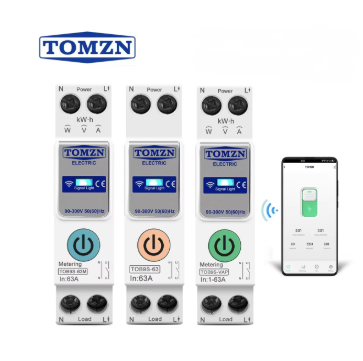
An energy meter represents one of the most critical devices in modern electrical infrastructure, serving as the primary instrument for measuring and recording electrical energy consumption across residential, commercial, and industrial applications. As we advance through 2026, the importance of accurate energy measurement has become increasingly vital for energy management, cost optimization, and sustainability initiatives. Understanding how an energy meter functions and its various applications can help property owners, facility managers, and electrical professionals make informed decisions about their energy monitoring systems.
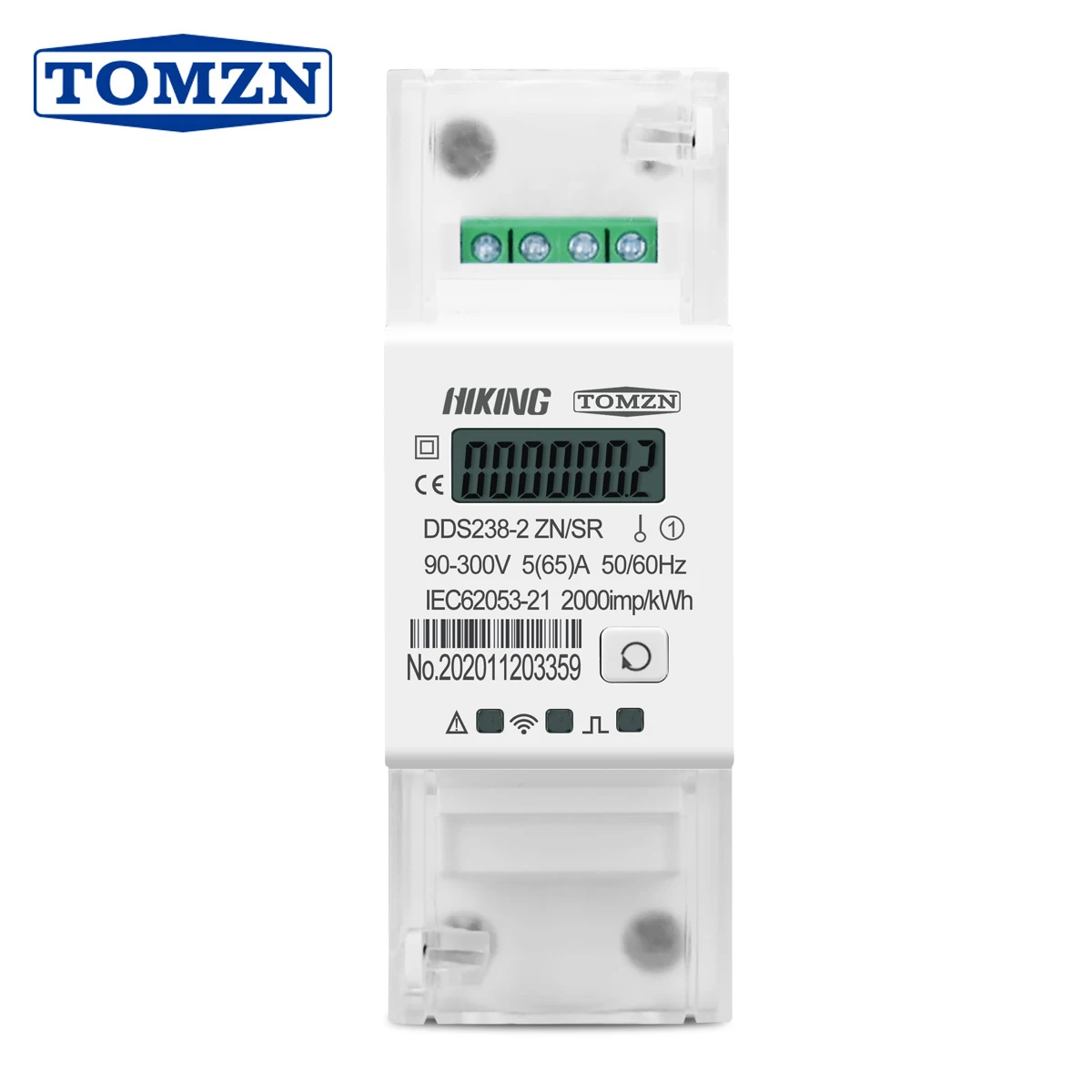
The fundamental purpose of an energy meter extends beyond simple measurement, encompassing comprehensive monitoring capabilities that enable users to track consumption patterns, identify inefficiencies, and implement strategic energy-saving measures. Modern energy meter technology has evolved significantly, incorporating advanced features such as remote monitoring, data logging, and communication protocols that facilitate seamless integration with building management systems and smart grid infrastructure.
Understanding Energy Meter Fundamentals
Core Components and Design
Every energy meter contains essential components that work together to provide accurate measurement of electrical consumption. The current transformer measures the electrical current flowing through the circuit, while voltage sensors monitor the applied voltage levels. These components feed data to a microprocessor-based calculation unit that performs real-time energy calculations using established mathematical formulas.
The display system presents measured values in user-friendly formats, typically showing kilowatt-hours (kWh) as the primary unit of measurement. Modern designs incorporate LCD or LED displays that can show multiple parameters simultaneously, including instantaneous power, cumulative energy consumption, voltage readings, and current measurements. Communication interfaces enable data transmission to external systems for remote monitoring and control applications.
Measurement Principles and Accuracy
An energy meter operates on fundamental electrical principles, measuring the product of voltage, current, and time to calculate total energy consumption. The device continuously samples voltage and current waveforms at high frequencies, typically thousands of times per second, ensuring accurate measurement even with varying load conditions and power quality issues.
Accuracy standards for energy meters are strictly regulated by international organizations, with most devices meeting IEC 62053 standards for residential and commercial applications. Class 1 accuracy ensures measurement errors remain within 1% under normal operating conditions, while Class 0.5 meters provide even higher precision for critical applications requiring exceptional accuracy in energy measurement and billing purposes.
Types and Classifications of Energy Meters
Single-Phase and Three-Phase Configurations
Single-phase energy meter designs serve residential and small commercial applications where electrical loads operate on standard 120V or 240V single-phase supply systems. These meters feature simplified circuitry optimized for single-phase measurement, offering cost-effective solutions for basic energy monitoring requirements while maintaining high accuracy standards.
Three-phase energy meter systems accommodate industrial and large commercial facilities that utilize three-phase electrical supply for heavy machinery and high-power equipment. These sophisticated devices measure energy across all three phases simultaneously, calculating total consumption while monitoring individual phase parameters to detect imbalances and potential system issues.
Digital and Smart Meter Technologies
Digital energy meter technology has revolutionized energy measurement by replacing traditional electromechanical designs with microprocessor-based systems. These advanced meters provide superior accuracy, extended functionality, and enhanced reliability compared to conventional analog meters, while supporting various communication protocols for data exchange.
Smart energy meter implementations incorporate wireless communication capabilities, enabling real-time data transmission to utility companies and building management systems. Advanced metering infrastructure (AMI) supports remote meter reading, demand response programs, and automated billing systems that improve operational efficiency while providing consumers with detailed energy usage information.
Installation and Configuration Requirements
Electrical Connection Standards
Proper energy meter installation requires adherence to established electrical codes and safety standards to ensure reliable operation and personnel safety. Installation procedures typically involve mounting the meter in approved enclosures, establishing secure electrical connections, and implementing appropriate circuit protection measures according to local regulations.
Current transformer connections for high-current applications require careful attention to polarity and burden ratings to maintain measurement accuracy. Voltage connections must be properly isolated and protected, while communication wiring should follow recommended practices for signal integrity and electromagnetic interference prevention.
Calibration and Commissioning
Initial calibration of an energy meter involves verification of measurement accuracy using certified reference standards and traceable calibration equipment. This process ensures the meter meets specified accuracy requirements and provides reliable measurements throughout its operational lifetime.
Configuration parameters including measurement ranges, communication settings, and alarm thresholds must be properly set during commissioning to match specific application requirements. Documentation of calibration results and configuration settings provides essential information for future maintenance and troubleshooting activities.
Advanced Features and Capabilities
Communication Protocols and Connectivity
Modern energy meter designs incorporate multiple communication protocols to support diverse system integration requirements. Modbus RTU and Modbus TCP protocols enable seamless connectivity with industrial control systems, while wireless technologies such as WiFi, cellular, and LoRaWAN support remote monitoring applications.
Ethernet connectivity provides high-speed data transmission for applications requiring frequent data updates and large data transfers. USB interfaces facilitate local configuration and data download, while serial communication ports support legacy system integration and specialized monitoring equipment connections.
Data Logging and Analysis
Integrated data logging capabilities allow energy meter systems to store historical consumption data for trend analysis and reporting purposes. Memory capacity typically ranges from several months to multiple years of data storage, depending on logging intervals and data resolution requirements.
Advanced analytics features enable automatic calculation of demand charges, power factor analysis, and energy efficiency metrics. Time-of-use functionality supports variable rate billing structures, while load profiling capabilities help identify consumption patterns and optimization opportunities.
Applications Across Industries
Residential Energy Management
Residential energy meter applications focus on providing homeowners with detailed information about their electrical consumption patterns and costs. Smart meter technology enables real-time monitoring through web portals and mobile applications, helping residents identify high-consumption appliances and implement energy-saving strategies.
Sub-metering solutions allow monitoring of specific circuits or appliances within residential properties, providing granular visibility into energy usage patterns. This detailed information supports informed decision-making regarding appliance upgrades, usage modifications, and renewable energy system sizing.
Commercial and Industrial Monitoring
Commercial facilities utilize energy meter technology for tenant billing, demand management, and energy efficiency initiatives. Multi-tenant buildings require individual metering for accurate cost allocation, while demand monitoring helps avoid costly peak demand charges through load management strategies.
Industrial energy meter installations support process optimization, equipment monitoring, and energy cost management in manufacturing environments. High-accuracy measurement enables precise calculation of production energy costs, while real-time monitoring supports predictive maintenance and operational efficiency improvements.
Maintenance and Troubleshooting
Preventive Maintenance Procedures
Regular maintenance of energy meter systems involves visual inspection of electrical connections, cleaning of display components, and verification of measurement accuracy using portable calibration equipment. Connection tightness checks prevent voltage drop issues that could affect measurement accuracy and create safety hazards.
Software updates and firmware maintenance ensure optimal performance and security for connected energy meter systems. Communication system testing verifies data transmission reliability, while backup battery replacement maintains data integrity during power outages.
Common Issues and Solutions
Communication failures represent common energy meter problems that can result from network issues, configuration errors, or hardware malfunctions. Systematic troubleshooting procedures help identify root causes and implement appropriate corrective actions to restore normal operation.
Measurement accuracy issues may stem from current transformer problems, voltage sensing errors, or calibration drift over time. Regular accuracy verification and prompt correction of identified problems ensure continued reliable energy meter performance and billing accuracy.
Future Trends and Developments
Integration with Renewable Energy Systems
Energy meter technology continues evolving to support renewable energy integration, net metering applications, and distributed generation systems. Bidirectional measurement capabilities enable accurate accounting of energy consumption and production, supporting fair compensation for renewable energy system owners.
Advanced power quality monitoring features help ensure renewable energy systems operate within grid requirements while providing valuable data for system optimization and maintenance. Integration with energy storage systems requires sophisticated measurement and control capabilities to maximize system efficiency.
Artificial Intelligence and Analytics
Artificial intelligence integration in energy meter systems enables predictive analytics, anomaly detection, and automated optimization recommendations. Machine learning algorithms analyze consumption patterns to identify efficiency opportunities and predict equipment maintenance requirements.
Cloud-based analytics platforms process data from multiple energy meter installations to provide benchmarking, optimization recommendations, and predictive maintenance insights. These advanced capabilities help organizations maximize energy efficiency while minimizing operational costs.
FAQ
How accurate are modern digital energy meters compared to traditional analog meters
Modern digital energy meter systems typically achieve accuracy levels of 0.1% to 1% under normal operating conditions, significantly superior to traditional analog meters which often exhibit accuracy ranges of 2% to 5%. Digital meters maintain consistent accuracy across wide load ranges and are less susceptible to environmental factors such as temperature variations, vibration, and electromagnetic interference. Additionally, digital meters do not suffer from mechanical wear issues that can degrade analog meter accuracy over time.
What communication protocols are commonly used in energy meter systems
The most widely implemented communication protocols in energy meter applications include Modbus RTU for serial communication, Modbus TCP for Ethernet networks, and DNP3 for utility applications. Wireless protocols such as WiFi, cellular (4G/5G), Zigbee, and LoRaWAN support remote monitoring applications. Many modern meters support multiple protocols simultaneously, enabling flexible integration with various monitoring systems and future communication technology upgrades.
How often should energy meters be calibrated or replaced
Energy meter calibration requirements vary by application and regulatory standards, but typically range from annual verification for revenue-grade meters to bi-annual or tri-annual calibration for standard commercial installations. Most modern digital meters maintain accuracy for 10-15 years under normal operating conditions, while traditional analog meters may require replacement after 15-20 years. However, regulatory changes, technology advances, or accuracy degradation may necessitate earlier replacement regardless of age.
Can energy meters be integrated with building automation systems
Yes, most modern energy meter designs include standard communication interfaces that enable seamless integration with building automation systems (BAS) and energy management systems (EMS). Common integration methods include Modbus, BACnet, and Ethernet protocols that allow real-time data sharing for demand management, alarm monitoring, and automated reporting. This integration supports comprehensive energy optimization strategies and enables automated responses to consumption patterns or utility demand response signals.