
 EN
EN
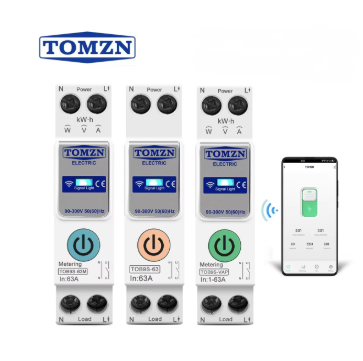
A circuit breaker serves as a critical safety mechanism in electrical systems, designed to automatically interrupt electrical flow when dangerous conditions arise. Understanding what causes a circuit breaker to trip and how the reset process works is essential for anyone managing electrical installations, whether in residential, commercial, or industrial settings. The fundamental principle behind circuit breaker operation involves detecting abnormal electrical conditions and responding by opening the circuit to prevent damage or hazards.
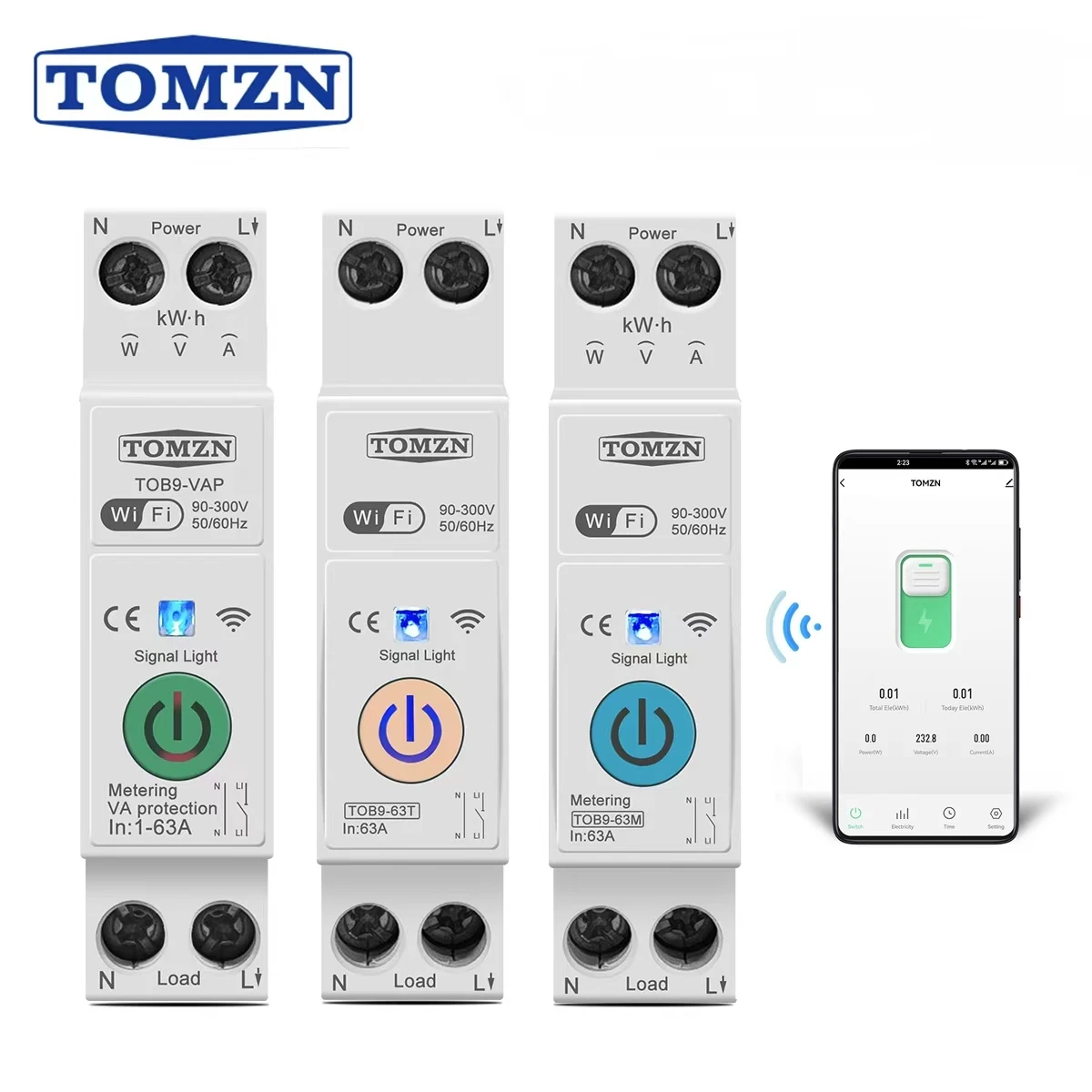
Modern electrical systems rely heavily on circuit breaker technology to maintain safe operation across various applications. These protective devices have evolved significantly from early fuse-based systems, offering superior reliability, reusability, and precise control over electrical distribution. Every circuit breaker incorporates sophisticated mechanisms that continuously monitor electrical parameters and respond instantly to protect connected equipment and infrastructure.
Understanding Circuit Breaker Tripping Mechanisms
Overcurrent Protection Principles
The primary function of any circuit breaker involves protecting electrical circuits from excessive current flow that could cause equipment damage or fire hazards. When current levels exceed predetermined thresholds, the circuit breaker automatically opens to interrupt the electrical path. This overcurrent protection represents the most fundamental safety feature built into every circuit breaker design, ensuring that electrical systems operate within safe parameters.
Overcurrent conditions typically arise from two distinct scenarios: overload situations where connected devices draw more current than the circuit can safely handle, and short circuit conditions where electrical paths create unintended low-resistance connections. Both situations require immediate circuit breaker intervention to prevent catastrophic failures, equipment damage, or safety hazards that could endanger personnel and property.
Thermal and Magnetic Trip Mechanisms
Most circuit breaker designs incorporate dual protection mechanisms combining thermal and magnetic trip elements to provide comprehensive overcurrent protection. The thermal element responds to sustained overload conditions by gradually heating a bimetallic strip that eventually deflects enough to trigger the trip mechanism. This thermal response provides time-delayed protection that allows temporary current spikes without unnecessary interruption.
Magnetic trip elements provide instantaneous protection against severe overcurrent conditions like short circuits. When current flow suddenly increases to dangerous levels, the magnetic field generated by this current creates sufficient force to immediately operate the trip mechanism. This combination ensures that a circuit breaker can respond appropriately to both gradual overload conditions and sudden fault situations with optimal protection characteristics.
Common Causes of Circuit Breaker Tripping
Overload Conditions and Equipment Issues
Circuit overload represents the most frequent cause of circuit breaker tripping in both residential and commercial installations. This occurs when the total current demand from connected devices exceeds the circuit breaker rating, typically resulting from connecting too many appliances or equipment to a single circuit. Understanding load calculations and proper circuit sizing helps prevent these overload situations from occurring regularly.
Equipment malfunctions can also trigger circuit breaker operation when internal failures create excessive current draw. Motors with bearing problems, heating elements with damaged insulation, or electronic devices with internal short circuits all generate abnormal current patterns that cause protective circuit breaker responses. Regular equipment maintenance and monitoring help identify potential problems before they result in circuit breaker trips.
Environmental and Installation Factors
Environmental conditions significantly influence circuit breaker performance and tripping behavior. High ambient temperatures reduce the current-carrying capacity of electrical components and can cause circuit breaker thermal elements to operate at lower current levels than normal. Moisture intrusion, dust accumulation, and corrosive atmospheres also affect circuit breaker reliability and may contribute to nuisance tripping or failure to operate when needed.
Installation quality directly impacts circuit breaker operation and longevity. Loose connections create resistance that generates heat and voltage drops, potentially causing equipment malfunction and circuit breaker tripping. Proper torque specifications, connection materials, and installation procedures ensure reliable circuit breaker performance throughout the expected service life of electrical systems.
The Circuit Breaker Reset Process
Manual Reset Procedures
After a circuit breaker trips, proper reset procedures ensure safe restoration of electrical service. The first step involves identifying and correcting the underlying condition that caused the trip, whether overload, short circuit, or equipment malfunction. Attempting to reset without addressing root causes often results in immediate re-tripping and potential safety hazards.
Manual reset typically requires moving the circuit breaker handle to the full OFF position before switching to ON, as many designs include a center position that indicates a tripped condition. This complete reset cycle ensures proper mechanical alignment of internal components and contact surfaces. Some circuit breaker types include visual indicators or test buttons that help verify proper reset and operational status.
Automatic Reset Technologies
Advanced circuit breaker designs incorporate automatic reset capabilities for specific applications where manual intervention may be impractical or unsafe. These automatic reset systems include programmable time delays and attempt counters to prevent continuous cycling on persistent faults. Such features prove particularly valuable in remote installations or critical systems where immediate restoration of service takes priority over manual intervention.
Smart circuit breaker technologies enable remote monitoring and control capabilities that allow operators to reset devices from central control locations. These systems provide detailed fault information, historical data, and predictive maintenance insights that improve overall system reliability. Integration with building automation and energy management systems creates comprehensive electrical distribution control and monitoring capabilities.
Types of Circuit Breaker Technologies
Miniature Circuit Breakers
Miniature circuit breakers represent the most common protective device type found in residential and light commercial applications. These compact units provide reliable overcurrent protection for individual circuits while occupying minimal panel space. Modern miniature circuit breaker designs incorporate precise trip characteristics and high interrupting capabilities suitable for most standard electrical distribution requirements.
The construction of miniature circuit breakers emphasizes cost-effectiveness while maintaining essential safety functions. Standard ratings range from a few amperes to 125 amperes, covering typical branch circuit requirements. Multiple pole configurations allow protection of single-phase and three-phase circuits with coordinated operation across all protected conductors.
Molded Case and Power Circuit Breakers
Larger electrical systems require molded case circuit breakers and power circuit breakers capable of handling higher currents and fault levels. These robust devices incorporate sophisticated trip units with adjustable settings for overcurrent, short circuit, and ground fault protection. Electronic trip units provide precise control over protection characteristics and often include communication capabilities for system integration.
Power circuit breaker applications include industrial facilities, utility substations, and large commercial buildings where electrical demands exceed the capabilities of smaller protective devices. These units often feature draw-out construction for maintenance accessibility and multiple protection functions in a single device. Advanced models include arc flash reduction technologies and comprehensive monitoring capabilities.
Circuit Breaker Maintenance and Testing
Preventive Maintenance Programs
Regular maintenance ensures reliable circuit breaker operation throughout the expected service life of electrical systems. Preventive maintenance programs include visual inspections, connection tightening, contact cleaning, and operational testing according to manufacturer recommendations and industry standards. These activities help identify potential problems before they result in unexpected failures or safety hazards.
Environmental factors significantly influence maintenance requirements and intervals. Installations in harsh conditions may require more frequent attention to prevent deterioration of insulation, contacts, and mechanical components. Documentation of maintenance activities provides valuable historical data for optimizing maintenance schedules and predicting replacement needs.
Testing and Verification Procedures
Comprehensive testing programs verify that circuit breaker protection functions operate correctly across the full range of expected conditions. Primary injection testing validates trip characteristics and timing, while secondary testing checks auxiliary functions and control circuits. Insulation resistance measurements ensure adequate electrical isolation between phases and to ground.
Modern test equipment enables precise measurement of circuit breaker parameters without removing devices from service in many cases. Portable test sets provide comprehensive evaluation capabilities including contact resistance, trip timing, and operating mechanism performance. Regular testing schedules help maintain system reliability and compliance with safety standards and regulations.
Advanced Circuit Breaker Features
Communication and Monitoring Capabilities
Contemporary circuit breaker designs increasingly incorporate communication interfaces that enable integration with supervisory control and data acquisition systems. These capabilities provide real-time monitoring of electrical parameters, fault recording, and remote operation functionality. Digital communication protocols allow seamless integration with existing building automation and energy management infrastructure.
Energy monitoring features built into modern circuit breaker designs provide detailed consumption data for individual circuits and loads. This information supports energy efficiency initiatives, demand management programs, and predictive maintenance strategies. Historical data collection enables trend analysis and optimization of electrical system operation over time.
Safety and Protection Enhancements
Advanced safety features in modern circuit breaker technology include arc fault detection, ground fault protection, and surge suppression capabilities. These enhanced protection functions address electrical hazards that traditional overcurrent protection alone cannot detect or prevent. Integration of multiple protection functions in single devices simplifies installation and reduces panel space requirements.
Zone selective interlocking and coordinated protection schemes ensure that only the circuit breaker closest to a fault operates, minimizing system disruption. These coordination features require sophisticated communication between protective devices but provide significant improvements in system reliability and availability. Proper coordination reduces unnecessary outages and helps maintain continuous service to unaffected portions of electrical systems.
FAQ
What should I do immediately after a circuit breaker trips?
First, identify what caused the circuit breaker to trip by checking for overloaded circuits, damaged equipment, or obvious electrical faults. Disconnect any suspicious devices before attempting to reset the breaker. Move the handle to the full OFF position, then switch it to ON. If the breaker immediately trips again, contact a qualified electrician as this indicates a persistent fault condition that requires professional diagnosis.
How often should circuit breakers be tested?
Testing frequency depends on the circuit breaker type and application environment, but generally ranges from annually for critical systems to every few years for standard installations. Manufacturer recommendations and local electrical codes provide specific guidance for different applications. High-use industrial circuit breakers may require more frequent testing, while residential units typically need testing every 3-5 years unless problems are suspected.
Can a circuit breaker wear out from frequent tripping?
Yes, repeated tripping operations gradually wear the mechanical components and electrical contacts within a circuit breaker. Each manufacturer specifies the number of operations the device can perform before requiring replacement or major maintenance. Frequent nuisance tripping should be investigated and corrected to prevent premature wear and ensure reliable protection when actually needed.
What is the difference between a tripped breaker and a faulty breaker?
A tripped circuit breaker has operated correctly in response to an electrical fault and can usually be reset once the problem is resolved. A faulty breaker may fail to trip when it should, trip unnecessarily, or be unable to reset properly. Signs of breaker failure include burning odors, visible damage, inability to stay in the ON position, or failure to trip during testing. Faulty breakers require immediate replacement by qualified personnel.