
 EN
EN
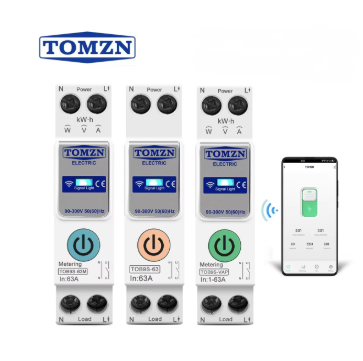
Modern households and businesses are constantly seeking effective ways to manage their electricity consumption and reduce monthly utility bills. An energy meter serves as a fundamental tool that provides detailed insights into power usage patterns, enabling property owners to make informed decisions about their electrical consumption habits. By monitoring real-time energy consumption data, these sophisticated devices help identify inefficient appliances, peak usage periods, and opportunities for significant cost savings throughout the year.
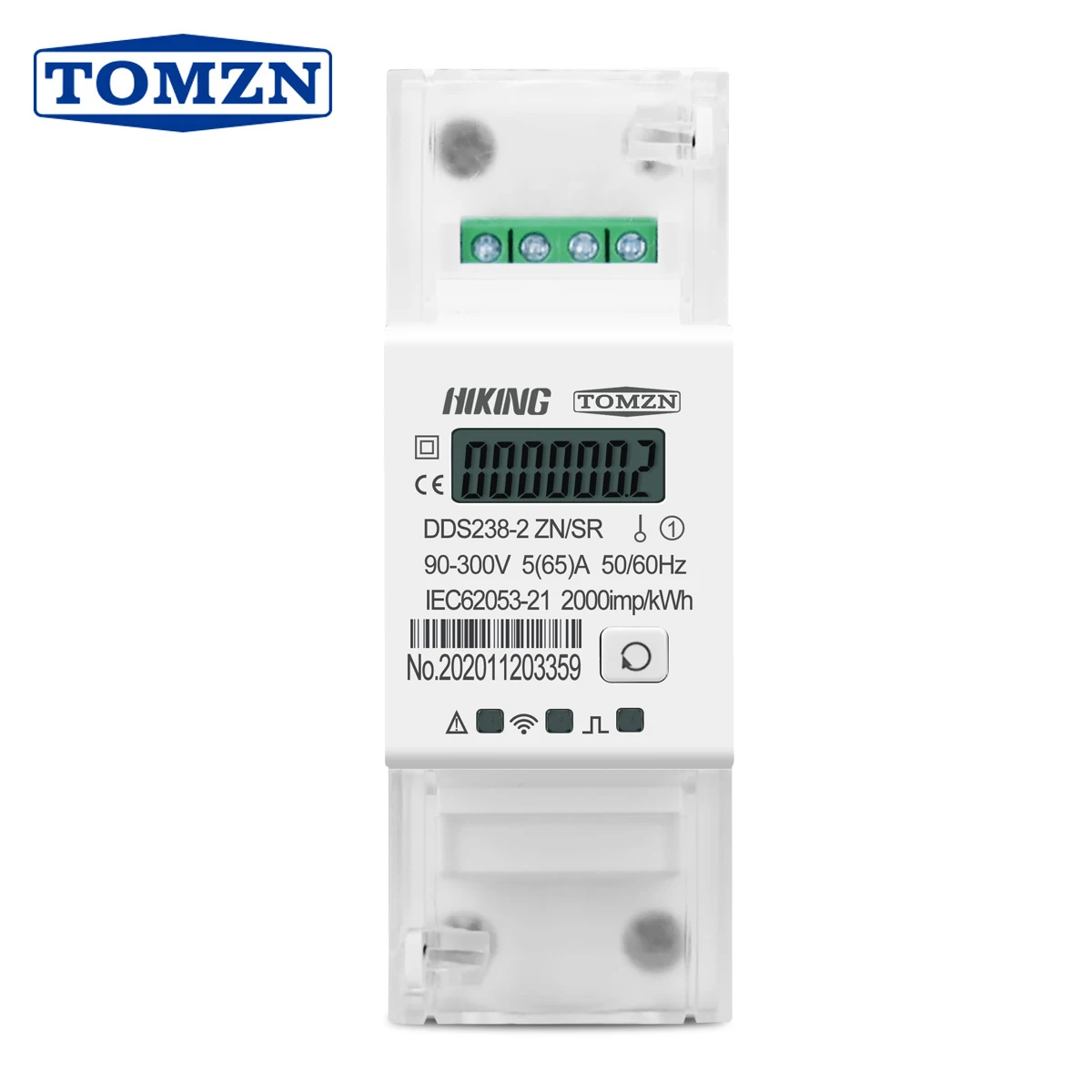
The installation of an advanced energy meter transforms how consumers understand their electrical usage patterns, providing unprecedented visibility into daily, weekly, and monthly consumption trends. These devices collect comprehensive data that reveals exactly when and where electricity is being consumed most heavily, allowing users to adjust their behavior and optimize their energy usage accordingly. Understanding these consumption patterns represents the first crucial step toward achieving meaningful reductions in electricity bills and overall energy efficiency improvements.
Understanding Energy Meter Technology and Functionality
Digital Measurement Capabilities
Contemporary energy meter technology utilizes advanced digital sensors and microprocessors to capture precise measurements of electrical consumption across multiple parameters. These sophisticated devices monitor voltage, current, power factor, and frequency measurements with exceptional accuracy, providing users with comprehensive data about their electrical systems performance. The digital interface displays real-time consumption information, historical usage trends, and detailed analytics that enable users to understand their electricity usage patterns more effectively than traditional mechanical meters ever could.
The precision offered by modern energy meter systems extends beyond basic kilowatt-hour measurements to include power quality monitoring, harmonic analysis, and load profiling capabilities. This comprehensive monitoring approach helps identify electrical inefficiencies, power quality issues, and equipment malfunctions that may be contributing to unnecessarily high electricity bills. Users can access detailed reports showing peak demand periods, off-peak usage patterns, and seasonal variations that directly impact their monthly utility costs.
Smart Communication Features
Advanced energy meter models incorporate intelligent communication protocols that enable remote monitoring and data transmission capabilities through various connectivity options. These systems can transmit consumption data via WiFi, cellular networks, or dedicated communication lines, allowing users to access their electricity usage information from smartphones, tablets, or computer applications. The remote monitoring capability eliminates the need for manual meter readings while providing continuous access to real-time consumption data and usage analytics.
The integration of smart communication features within an energy meter system enables automated billing processes, demand response programs, and time-of-use pricing optimization. Users receive instant notifications about unusual consumption patterns, peak demand alerts, and potential equipment malfunctions that could lead to increased electricity costs. This proactive monitoring approach helps prevent costly electrical issues and enables immediate corrective actions to maintain optimal energy efficiency levels throughout the year.
Cost Reduction Strategies Through Energy Monitoring
Peak Demand Management
Effective peak demand management represents one of the most significant opportunities for reducing electricity bills through strategic energy meter utilization. Commercial and industrial users often face substantial demand charges based on their highest power consumption during specific time periods, making peak demand control critically important for cost management. An energy meter provides real-time monitoring of power consumption levels, enabling users to implement load shedding strategies and distribute electrical loads more evenly throughout the day.
The detailed consumption data provided by an energy meter allows users to identify specific equipment or processes that contribute most significantly to peak demand charges. By understanding these consumption patterns, facility managers can schedule high-energy operations during off-peak hours, implement load rotation strategies, and optimize equipment operation to minimize peak demand penalties. These strategic adjustments can result in substantial monthly savings, particularly for large commercial and industrial facilities with significant electrical loads.
Time-of-Use Optimization
Many utility companies implement time-of-use pricing structures that charge different rates for electricity consumption during peak, off-peak, and shoulder periods throughout the day. An energy meter enables users to track their consumption during these different rate periods and adjust their usage patterns accordingly to take advantage of lower off-peak electricity rates. This optimization strategy can result in significant monthly savings for consumers who can shift their high-energy activities to lower-cost time periods.
The historical data collected by energy meter systems helps users analyze their consumption patterns across different time periods and identify opportunities for load shifting strategies. By understanding when electricity rates are highest and lowest, consumers can schedule dishwasher cycles, laundry operations, electric vehicle charging, and other high-consumption activities during the most cost-effective time periods. This strategic approach to energy consumption timing can reduce electricity bills by twenty to forty percent for households and businesses willing to adjust their usage patterns.
Equipment Efficiency Analysis and Optimization
Appliance Performance Monitoring
Detailed monitoring capabilities provided by an energy meter enable users to evaluate the efficiency and performance of individual appliances and electrical equipment throughout their facilities. By analyzing consumption patterns associated with specific devices, users can identify aging equipment that consumes excessive electricity and prioritize replacement or maintenance activities accordingly. This targeted approach to equipment management helps prevent unnecessary energy waste and reduces long-term electricity costs through proactive efficiency improvements.
The granular data collection capabilities of modern energy meter systems allow users to establish baseline consumption levels for different appliances and monitor performance degradation over time. When equipment begins consuming more electricity than normal operating parameters, the energy meter data provides early warning signs that maintenance or replacement may be necessary. This preventive approach helps avoid costly emergency repairs and ensures that all electrical equipment operates at optimal efficiency levels throughout its service life.
Load Balancing and Distribution
Proper load balancing across electrical circuits and phases represents another important strategy for optimizing energy efficiency and reducing electricity costs. An energy meter provides detailed information about power consumption across different circuits, enabling users to identify imbalanced loads that may be causing inefficient operation and higher electricity bills. By redistributing electrical loads more evenly across available circuits, users can improve overall system efficiency and reduce unnecessary energy waste.
The comprehensive monitoring capabilities of an energy meter system help identify opportunities for improving power factor correction, reducing reactive power consumption, and optimizing electrical system performance. Poor power factor conditions can result in additional utility charges and reduced system efficiency, making power factor monitoring an essential component of comprehensive energy management strategies. Users can implement appropriate power factor correction measures based on energy meter data to improve system efficiency and reduce electricity costs.
Long-Term Financial Benefits and ROI Analysis
Investment Recovery Calculations
The implementation of a comprehensive energy meter monitoring system typically generates substantial long-term financial returns that far exceed the initial investment costs. Most residential and commercial users report electricity bill reductions ranging from fifteen to thirty percent within the first year of energy meter installation and optimization. These savings accumulate over time, resulting in complete investment recovery within two to four years for most applications, followed by continued annual savings throughout the system's operational lifetime.
The financial benefits of energy meter implementation extend beyond direct electricity bill reductions to include improved equipment reliability, reduced maintenance costs, and enhanced operational efficiency. By identifying potential electrical issues before they become costly problems, energy meter systems help prevent equipment failures, reduce emergency repair expenses, and extend the operational lifetime of electrical equipment. These additional financial benefits contribute significantly to the overall return on investment for energy meter installations.
Scalability and Future Expansion
Modern energy meter systems offer excellent scalability options that allow users to expand their monitoring capabilities as their needs grow and evolve over time. Starting with basic consumption monitoring, users can gradually add advanced features such as power quality analysis, demand forecasting, and automated control capabilities to further enhance their energy management effectiveness. This modular approach enables users to customize their energy meter systems according to their specific requirements and budget constraints while maintaining flexibility for future expansion.
The integration capabilities of contemporary energy meter technology enable seamless connectivity with building automation systems, energy management platforms, and utility demand response programs. These integration opportunities provide additional cost reduction opportunities through automated load control, participation in utility incentive programs, and optimized energy procurement strategies. Users can leverage their energy meter data to negotiate better electricity rates, participate in demand response programs, and implement sophisticated energy trading strategies that further reduce their overall electricity costs.
Installation and Implementation Considerations
Professional Installation Requirements
Proper installation of an energy meter system requires careful attention to electrical safety protocols, local code requirements, and manufacturer specifications to ensure accurate measurements and reliable operation. Licensed electricians should handle all electrical connections and ensure that the energy meter installation complies with relevant electrical codes and utility requirements. Professional installation helps prevent measurement errors, safety hazards, and potential warranty issues that could compromise the effectiveness of the energy monitoring system.
The installation process for an energy meter typically involves selecting appropriate measurement points, configuring communication settings, and establishing baseline measurements for accurate performance tracking. Professional installers can provide valuable guidance on optimal placement locations, communication network setup, and integration with existing electrical systems. This expert assistance ensures that users receive maximum value from their energy meter investment while maintaining compliance with all applicable safety and regulatory requirements.
Configuration and Calibration
Initial configuration and calibration of an energy meter system plays a crucial role in ensuring accurate measurements and reliable performance throughout the system's operational lifetime. Proper configuration involves setting up measurement parameters, establishing communication protocols, and defining alarm thresholds that will provide meaningful notifications about consumption patterns and potential issues. Regular calibration checks help maintain measurement accuracy and ensure that the energy meter continues providing reliable data for effective energy management decisions.
The configuration process for an energy meter should include establishing user access levels, defining reporting schedules, and setting up automated alerts for unusual consumption patterns or equipment malfunctions. Users should work closely with installation professionals to ensure that all configuration settings align with their specific monitoring requirements and cost reduction objectives. Proper initial setup minimizes the need for future adjustments while maximizing the effectiveness of the energy monitoring system for achieving electricity bill reductions.
FAQ
How much can an energy meter reduce my electricity bill
Most users experience electricity bill reductions ranging from fifteen to thirty percent within the first year of implementing a comprehensive energy meter monitoring system. The exact savings depend on current consumption patterns, utility rate structures, and how effectively users implement the optimization strategies identified through energy monitoring data. Commercial and industrial facilities often achieve higher percentage savings due to demand charge reductions and more sophisticated load management opportunities.
What features should I look for in an energy meter
Essential features for an effective energy meter include real-time consumption monitoring, historical data logging, remote communication capabilities, and power quality analysis functions. Advanced models should offer demand forecasting, automated alerting, and integration capabilities with building automation systems or energy management platforms. Consider models that provide mobile app access, customizable reporting options, and scalability for future expansion of monitoring capabilities.
How long does energy meter installation typically take
Professional installation of a basic energy meter system typically requires four to eight hours for residential applications and one to three days for complex commercial installations. The installation timeline depends on the number of monitoring points, communication network requirements, and integration complexity with existing electrical systems. Most installations can be completed with minimal disruption to normal operations, though some electrical service interruptions may be necessary for safe connection procedures.
Can energy meters work with solar panels and battery systems
Modern energy meter systems are fully compatible with solar panel installations, battery storage systems, and other distributed energy resources. These advanced meters can monitor both consumption and generation, providing comprehensive visibility into net energy usage and enabling optimization of renewable energy systems for maximum cost savings. The bidirectional monitoring capabilities help users understand their energy independence levels and optimize battery charging cycles for peak efficiency and cost reduction.