
 EN
EN
When your circuit breaker repeatedly trips, it's your electrical system's safety mechanism working to protect your home from potential hazards. Understanding why this happens and how to address it is crucial for maintaining a safe electrical environment. A circuit breaker serves as the guardian of your electrical circuits, automatically shutting off power when it detects dangerous conditions such as overcurrent, short circuits, or ground faults.
The frequency of circuit breaker trips has become increasingly common in modern homes due to higher electrical demands from smart devices, electric vehicles, and energy-intensive appliances. Each circuit breaker is designed to handle a specific amperage load, and when that threshold is exceeded, the safety mechanism activates. This protective action prevents electrical fires, equipment damage, and potential electrocution risks that could result from overloaded circuits or faulty wiring.
Common Causes of Circuit Breaker Tripping
Overloaded Circuits
Circuit overloading occurs when you draw more electrical current through a circuit than the circuit breaker can safely handle. This is perhaps the most frequent reason why a circuit breaker trips in residential and commercial settings. Modern households often exceed the electrical capacity designed into older homes, especially when multiple high-wattage appliances operate simultaneously on the same circuit.
Common signs of circuit overloading include dimming lights when large appliances start, warm outlet covers, and the distinctive burning smell of overheated wiring. Kitchen circuits are particularly susceptible to overloading when microwave ovens, toasters, coffee makers, and other appliances run concurrently. The circuit breaker responds by tripping to prevent dangerous heat buildup in the wiring system.
Short Circuit Conditions
A short circuit represents one of the most dangerous electrical faults that can cause a circuit breaker to trip immediately. This occurs when electrical current flows along an unintended path, typically when hot and neutral wires come into direct contact. Short circuits generate enormous amounts of heat instantaneously and can cause fires if not interrupted quickly by the protective device.
Identifying short circuits requires careful inspection of outlets, switches, and electrical connections throughout the affected circuit. Signs include burn marks around electrical outlets, the smell of burning plastic or wire insulation, and visible sparking when plugs are inserted or removed. Professional electrical diagnosis becomes essential when short circuits are suspected, as these conditions pose immediate safety risks.
Ground Fault Issues
Ground faults occur when electrical current escapes the intended circuit path and flows to ground through an unintended route, such as through water, metal fixtures, or a person's body. Modern electrical codes require ground fault circuit interrupter protection in bathrooms, kitchens, garages, and outdoor areas where moisture exposure increases electrocution risks.
When a circuit breaker trips due to ground faults, it's often accompanied by GFCI outlet tripping in the same area. Water infiltration into electrical boxes, damaged wire insulation, or faulty appliances with compromised grounding systems frequently cause these protective devices to activate.
Electrical System Assessment and Diagnosis
Load Analysis and Circuit Mapping
Proper electrical load analysis involves calculating the total amperage draw of all devices connected to each circuit breaker in your electrical panel. This process helps identify circuits operating near or beyond their rated capacity and provides insight into redistribution needs. Professional electricians use specialized meters to measure actual current flow and compare it against circuit breaker ratings.
Circuit mapping creates a detailed inventory of which outlets, lights, and appliances connect to each circuit breaker position. This documentation proves invaluable when troubleshooting tripping issues and planning electrical upgrades. Many older homes lack proper circuit documentation, making systematic mapping essential for safe electrical maintenance and modification.
Professional Electrical Testing
Comprehensive electrical testing involves multiple diagnostic procedures to identify the root causes of circuit breaker tripping. Insulation resistance testing measures the integrity of wire insulation throughout the electrical system, revealing deterioration that could lead to ground faults or short circuits. Thermal imaging surveys detect hot spots in electrical connections that indicate loose or corroded connections.
Voltage drop testing ensures that electrical circuits maintain proper voltage levels under load conditions. Excessive voltage drop can cause appliances to draw higher currents, potentially triggering circuit breaker trips. Professional testing equipment provides accurate measurements that guide repair decisions and help prevent recurring electrical problems.
Modern Circuit Breaker Technologies
Smart Circuit Protection Systems
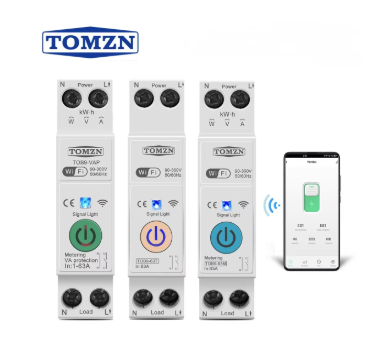
Advanced circuit breaker technologies have evolved significantly beyond traditional thermal-magnetic designs. Smart circuit breakers incorporate digital monitoring capabilities that provide real-time data on electrical usage, power quality, and system performance. These intelligent devices can communicate with home automation systems and send alerts about potential electrical issues before they cause outages.
Arc fault circuit interrupter technology represents another significant advancement in electrical safety. These specialized circuit breaker types detect dangerous electrical arcing conditions that traditional breakers might miss. Arc faults can occur in damaged extension cords, loose electrical connections, or aging wiring systems, creating fire risks that standard overcurrent protection cannot address.
Adjustable Protection Parameters
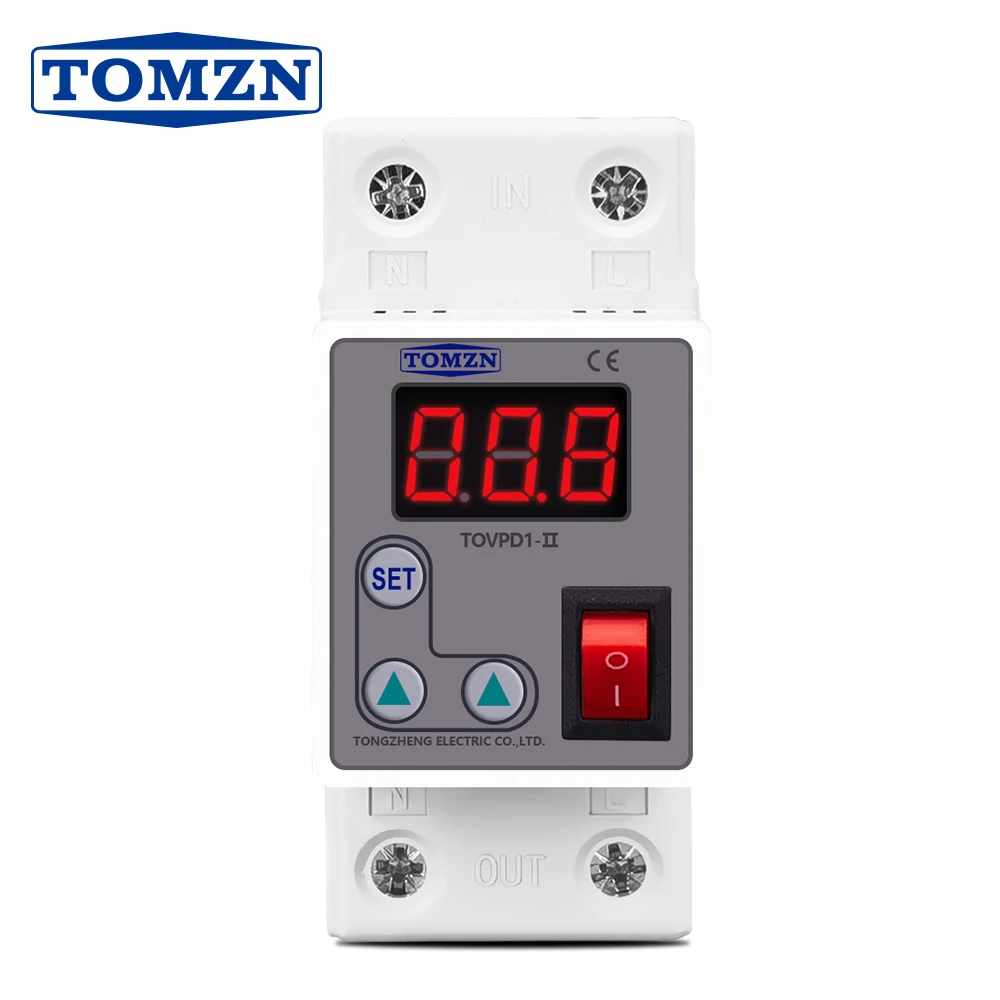
Modern industrial and commercial applications often utilize adjustable circuit breaker systems that allow customization of trip settings based on specific load requirements. These sophisticated devices offer precise control over overcurrent protection, time delay settings, and sensitivity adjustments. Such flexibility enables optimal protection while minimizing nuisance tripping in applications with variable electrical demands.
Electronic trip units in advanced circuit breaker designs provide multiple protection functions within a single device. These units can simultaneously monitor for overcurrent, ground fault, arc fault, and undervoltage conditions. The ability to adjust protection parameters ensures that the circuit breaker operates efficiently across diverse electrical environments and load conditions.
Prevention and Maintenance Strategies
Regular Electrical System Inspections
Preventive maintenance programs significantly reduce the frequency of unexpected circuit breaker trips and extend the lifespan of electrical system components. Regular visual inspections of electrical panels should focus on signs of overheating, corrosion, or physical damage to circuit breaker mechanisms. Loose connections at circuit breaker terminals often cause intermittent tripping and can be identified through thermal imaging or careful visual examination.
Annual professional electrical inspections provide comprehensive evaluation of circuit breaker performance and overall system integrity. These inspections include testing of ground fault circuit interrupters, arc fault circuit interrupters, and standard circuit breaker trip functions. Documentation of inspection results helps track electrical system performance over time and identifies trends that might indicate developing problems.
Load Management and Distribution
Effective load management involves strategic distribution of electrical devices across available circuits to prevent overloading any single circuit breaker. This approach requires understanding the power requirements of major appliances and ensuring adequate electrical capacity for anticipated usage patterns. Kitchen and laundry room circuits typically require special attention due to high-wattage appliance concentrations.
Circuit breaker load balancing across electrical panel phases helps optimize electrical system performance and reduces the likelihood of nuisance tripping. Unbalanced loads can cause neutral current flow and potentially affect circuit breaker operation. Professional load analysis identifies opportunities for improved circuit distribution and may reveal the need for additional electrical circuits or panel upgrades.
Troubleshooting and Resolution
Systematic Problem Identification
When a circuit breaker trips repeatedly, systematic troubleshooting helps identify the specific cause and appropriate solution. The process begins with documenting when trips occur, what activities or appliances were in use, and any environmental factors that might contribute to the problem. This information helps narrow down potential causes and guides the diagnostic approach.
Isolation testing involves systematically disconnecting electrical loads from the affected circuit to identify which device or section causes the circuit breaker to trip. This methodical approach helps pinpoint specific problem areas without requiring extensive electrical system disassembly. Once the problematic component is identified, appropriate repairs or replacements can be implemented.
Professional Repair Solutions
Complex electrical problems that cause recurring circuit breaker trips often require professional electrical expertise to resolve safely and effectively. Licensed electricians possess the training, tools, and experience necessary to diagnose sophisticated electrical faults and implement code-compliant solutions. Professional repairs ensure that electrical work meets current safety standards and local electrical codes.
Circuit breaker replacement becomes necessary when the protective device itself fails or when electrical system upgrades require higher-capacity protection. Modern electrical codes may require updated circuit breaker types with enhanced safety features, such as combination arc fault and ground fault protection. Professional installation ensures proper circuit breaker selection and installation according to manufacturer specifications and electrical codes.
FAQ
What should I do immediately when my circuit breaker keeps tripping?
First, turn off and unplug all devices on the affected circuit before attempting to reset the circuit breaker. If the breaker trips again immediately without any load connected, this indicates a serious electrical fault that requires immediate professional attention. Never repeatedly reset a tripping circuit breaker, as this could lead to electrical fires or equipment damage.
How can I tell if my circuit breaker needs replacement?
Signs that indicate circuit breaker replacement include physical damage to the breaker body, burn marks around connections, loose or corroded terminals, and inability to reset properly after tripping. Additionally, if a circuit breaker fails to trip during testing or trips at currents significantly below its rated capacity, replacement is necessary for continued electrical safety.
Can I upgrade my electrical panel to prevent frequent circuit breaker trips?
Yes, electrical panel upgrades often resolve chronic tripping issues by providing additional circuits and higher overall electrical capacity. Modern electrical panels accommodate increased electrical demands and incorporate advanced safety features not available in older installations. Professional evaluation determines whether panel upgrade or additional circuits provide the most cost-effective solution for your specific electrical needs.
Why do some appliances cause my circuit breaker to trip more than others?
Different appliances draw varying amounts of electrical current, with motor-driven devices like refrigerators, air conditioners, and washing machines requiring higher startup currents than their normal operating levels. Aging appliances may develop electrical faults that increase current draw or create ground fault conditions. High-wattage devices like space heaters, hair dryers, and electric kettles can easily overload circuits when combined with other electrical loads.