
 EN
EN
Modern industrial facilities and renewable energy installations increasingly rely on direct current electrical systems, making the reliability of protective components absolutely critical for operational continuity. When dc mcb systems experience failures or inadequate protection, the resulting equipment downtime can translate into significant financial losses and operational disruptions. Understanding how high-quality dc mcb solutions contribute to system reliability provides facility managers and engineers with essential insights for minimizing unplanned shutdowns and maximizing equipment availability.
Understanding DC Circuit Protection Fundamentals
Core Principles of DC Circuit Interruption
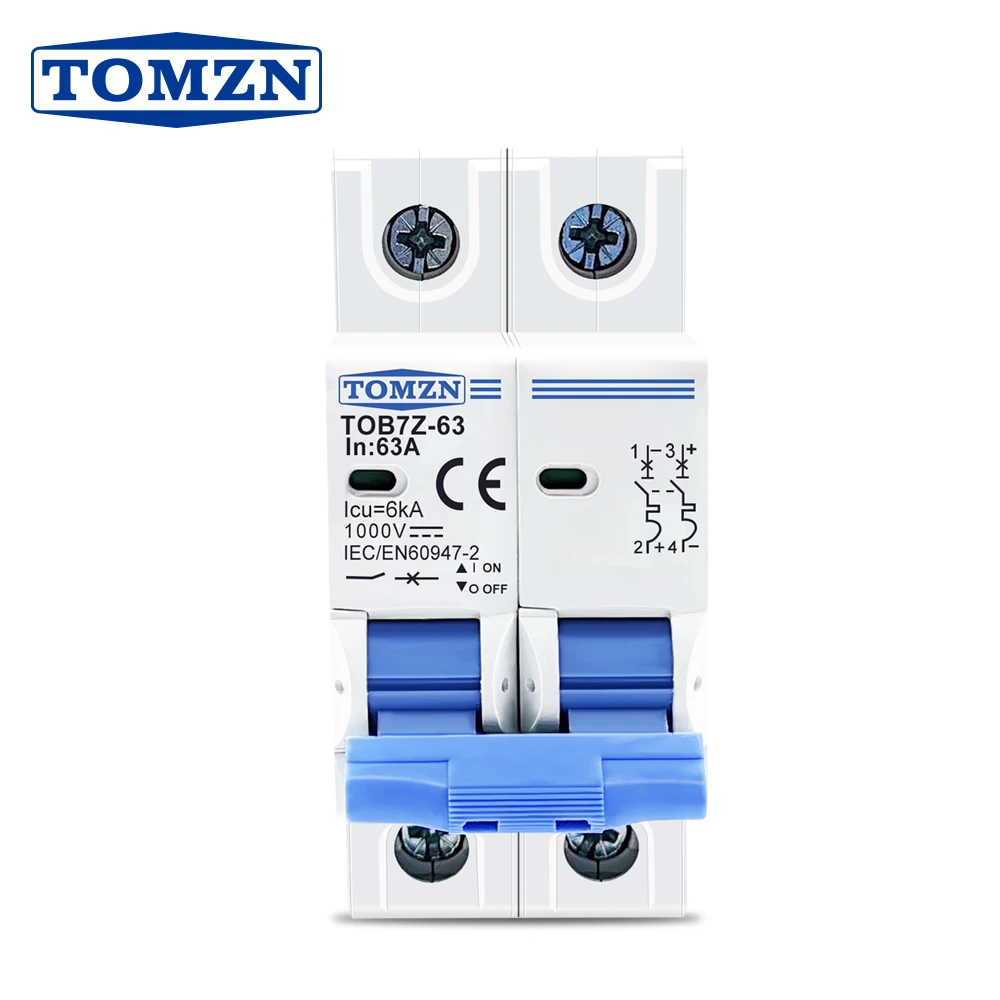
Direct current circuit protection presents unique challenges compared to alternating current systems, requiring specialized dc mcb designs that can effectively interrupt DC fault currents. Unlike AC systems where current naturally crosses zero twice per cycle, DC current maintains constant magnitude and direction, making arc extinction significantly more difficult. Quality dc mcb devices incorporate advanced arc interruption technologies, including magnetic blowout systems and specialized contact materials, to reliably clear fault currents and prevent equipment damage.
The reliability of dc mcb operation directly impacts system availability because inadequate circuit interruption can lead to equipment damage, extended repair times, and cascading failures throughout connected systems. Professional-grade dc mcb units feature precise trip characteristics, ensuring protection activates at predetermined current levels while avoiding nuisance tripping that could cause unnecessary downtime. These devices undergo rigorous testing to verify performance under various fault conditions, temperature extremes, and electrical stress scenarios.
Integration with Modern DC Power Systems
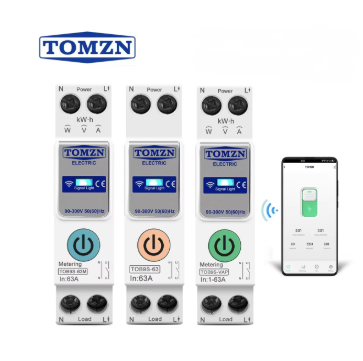
Contemporary dc mcb solutions integrate seamlessly with sophisticated DC power distribution networks, providing coordinated protection that minimizes the scope of outages when faults occur. Advanced dc mcb systems incorporate communication capabilities, enabling remote monitoring and control functions that allow operators to assess circuit status, reset breakers remotely, and receive early warning of potential issues. This connectivity reduces response times during fault conditions and enables predictive maintenance strategies that prevent unexpected failures.
Modern facilities benefit from dc mcb designs that accommodate various voltage levels and current ratings within unified protection schemes. Standardized mounting configurations and consistent operating characteristics across different dc mcb models simplify installation, maintenance, and replacement procedures, reducing the time required for system modifications or repairs. These design considerations directly contribute to improved system availability by minimizing planned maintenance windows and simplifying troubleshooting procedures.
Impact of Circuit Breaker Quality on System Reliability
Material Science and Component Durability
High-quality dc mcb construction relies on advanced materials and precision manufacturing techniques that ensure consistent performance throughout extended operational lifecycles. Premium dc mcb devices utilize silver-tungsten contact alloys that resist welding and erosion, maintaining reliable switching capability even after numerous fault interruption cycles. The mechanical operating mechanisms incorporate hardened steel components and precision bearings that provide smooth, consistent operation while minimizing wear and mechanical stress on critical components.
Environmental resistance represents another crucial factor in dc mcb reliability, particularly in industrial applications where devices may encounter temperature variations, humidity, dust, and chemical exposure. Quality dc mcb units feature robust enclosures with appropriate ingress protection ratings, corrosion-resistant coatings, and gasket sealing systems that maintain internal component integrity under challenging conditions. These protective measures prevent premature failure modes that could compromise system protection and lead to unexpected downtime.
Testing Standards and Performance Validation
Reliable dc mcb performance depends on comprehensive testing protocols that validate device capabilities under realistic operating conditions and fault scenarios. International standards specify rigorous test sequences that evaluate dc mcb breaking capacity, endurance performance, temperature rise characteristics, and insulation integrity. Devices meeting these standards demonstrate predictable behavior under fault conditions, enabling engineers to design protection coordination schemes that reliably isolate faults while maintaining service to unaffected circuits.
Certification testing also evaluates dc mcb performance under extreme conditions, including maximum fault current interruption, thermal stress testing, and mechanical endurance trials. These validation procedures ensure that dc mcb devices will perform reliably throughout their expected service life, reducing the likelihood of protection system failures that could result in equipment damage and extended outages. Regular testing and maintenance protocols based on manufacturer recommendations help maintain dc mcb performance and identify potential issues before they compromise system reliability.
Preventive Maintenance Strategies for DC Protection Systems
Scheduled Inspection and Testing Protocols
Implementing systematic maintenance procedures for dc mcb installations significantly reduces the probability of unexpected failures and associated downtime. Regular visual inspections identify obvious signs of deterioration, including contact erosion, housing damage, or environmental contamination that could affect dc mcb performance. Thermal imaging surveys detect abnormal heating patterns that may indicate loose connections, contact resistance issues, or internal component degradation before these conditions lead to device failure.
Functional testing procedures verify that dc mcb devices operate correctly within specified parameters, including trip current accuracy, response timing, and mechanical operation smoothness. These tests utilize specialized equipment designed for DC circuit testing, ensuring accurate measurement of device characteristics without compromising system reliability. Documentation of test results enables trending analysis that identifies gradual performance degradation, allowing for proactive dc mcb replacement before failures occur.
Environmental Monitoring and Protection
Environmental factors significantly influence dc mcb longevity and reliability, making monitoring of ambient conditions essential for predictive maintenance programs. Temperature monitoring helps identify locations where thermal stress may accelerate component aging, while humidity measurements indicate conditions that could promote corrosion or insulation deterioration. Dust and contamination levels require assessment in industrial environments where airborne particles may interfere with dc mcb mechanical operation or electrical performance.
Protective measures such as enclosure sealing, ventilation systems, and environmental filtration help maintain optimal operating conditions for dc mcb installations. Regular cleaning procedures remove accumulated contamination that could affect device operation, while proper ventilation prevents excessive temperature buildup that accelerates component aging. These preventive measures extend dc mcb service life and maintain reliable protection performance throughout the device operational period.
Economic Benefits of Reliable DC Circuit Protection
Downtime Cost Analysis
The financial impact of equipment downtime in DC-powered facilities often exceeds the cost of high-quality dc mcb installations by substantial margins, making reliability investments economically justified. Manufacturing facilities may experience production losses measured in thousands of dollars per hour during unplanned outages, while data centers face service level agreement penalties and customer satisfaction impacts from power-related downtime. Quality dc mcb systems reduce these risks by providing dependable protection that prevents minor faults from escalating into major system failures.
Comparative analysis of dc mcb reliability demonstrates that premium devices, despite higher initial costs, provide superior long-term value through reduced failure rates and lower maintenance requirements. The total cost of ownership calculation includes not only device purchase price but also installation labor, maintenance expenses, and expected downtime costs over the device service life. Quality dc mcb installations typically demonstrate payback periods measured in months rather than years when downtime prevention benefits are properly quantified.
Maintenance Cost Optimization
Reliable dc mcb systems reduce maintenance costs through several mechanisms, including extended service intervals, reduced replacement frequency, and simplified troubleshooting procedures. High-quality devices require less frequent inspection and testing, reducing labor costs and system disruption associated with maintenance activities. Standardized dc mcb designs simplify spare parts inventory management and technician training requirements, further reducing operational expenses.
Predictable dc mcb performance enables more effective maintenance planning, allowing facilities to schedule protective device servicing during planned outages rather than responding to emergency failures. This approach minimizes overtime labor costs and reduces the urgency premium associated with emergency parts procurement. Additionally, reliable dc mcb operation reduces the frequency of false alarms and nuisance trips that require investigation and system reset, conserving maintenance resources for productive activities.
Selection Criteria for High-Reliability DC Circuit Breakers
Technical Specifications and Rating Requirements
Proper dc mcb selection requires careful evaluation of electrical ratings, including voltage class, continuous current capacity, and short-circuit breaking capability, to ensure adequate protection under all anticipated operating conditions. Voltage ratings must provide sufficient margin above normal system voltage to account for transient conditions and system variations, while current ratings should accommodate both steady-state loads and anticipated overload conditions. Breaking capacity specifications must exceed maximum available fault current at the installation location to ensure reliable fault interruption.
Environmental ratings represent equally important selection criteria, particularly for dc mcb installations in challenging industrial environments. Temperature ratings must encompass expected ambient conditions with appropriate safety margins, while moisture and contamination resistance specifications should match site-specific requirements. Mechanical ratings including vibration resistance and shock tolerance ensure reliable operation in applications subject to dynamic mechanical stresses.
Manufacturer Quality and Support Considerations
The reputation and technical support capabilities of dc mcb manufacturers significantly influence long-term system reliability and maintenance effectiveness. Established manufacturers with comprehensive testing facilities and quality management systems provide greater assurance of consistent product performance and continued product availability. Technical support resources, including application engineering assistance, training programs, and troubleshooting guidance, contribute to successful dc mcb implementation and ongoing reliable operation.
Warranty provisions and service policies reflect manufacturer confidence in dc mcb quality and provide important protection against premature device failure. Comprehensive warranty coverage that includes both materials and labor costs demonstrates manufacturer commitment to product reliability, while responsive service networks ensure rapid resolution of any issues that may arise. These support factors contribute to overall system availability by minimizing response times and ensuring access to qualified service technicians when needed.
Future Trends in DC Circuit Protection Technology
Smart Grid Integration and Digital Communication
Emerging dc mcb technologies incorporate advanced digital communication capabilities that enable integration with smart grid systems and facility automation networks. These intelligent devices provide real-time operational data, including current measurements, trip history, and diagnostic information that supports predictive maintenance strategies and system optimization. Remote monitoring capabilities allow operators to assess dc mcb status from central control locations, reducing inspection requirements and enabling rapid response to developing issues.
Digital dc mcb systems offer enhanced protection coordination through programmable trip characteristics and communication with other protective devices. This coordination capability enables more sophisticated protection schemes that minimize outage scope while maintaining reliable fault clearing performance. Integration with facility management systems provides automated reporting of dc mcb operations and maintenance requirements, streamlining administrative tasks and ensuring compliance with maintenance schedules.
Advanced Materials and Manufacturing Techniques
Research and development efforts continue to advance dc mcb technology through improved materials and manufacturing processes that enhance reliability and extend service life. New contact materials resist erosion and welding while providing superior electrical and thermal conductivity, reducing maintenance requirements and improving switching performance. Advanced manufacturing techniques enable more precise component tolerances and consistent quality control, resulting in more predictable dc mcb performance characteristics.
Nanotechnology applications in dc mcb design promise further improvements in device performance and reliability through enhanced insulation materials, improved thermal management, and more durable mechanical components. These technological advances will continue to reduce the total cost of ownership for DC protection systems while improving system availability and reducing maintenance requirements.
FAQ
How often should dc mcb devices be tested to maintain reliability?
Testing frequency for dc mcb devices depends on application criticality and environmental conditions, but generally ranges from quarterly visual inspections to annual functional testing. Critical applications may require monthly inspections and semi-annual testing, while less critical systems can extend intervals to annual or biennial testing. Manufacturer recommendations and local electrical codes provide specific guidance for testing frequencies based on device ratings and installation conditions.
What are the most common causes of dc mcb failure in industrial applications?
The most frequent dc mcb failure modes include contact erosion from repeated fault interruption, mechanical wear in operating mechanisms, and environmental degradation from dust, moisture, or chemical exposure. Electrical stress from fault currents exceeding device ratings, thermal stress from overloading, and installation errors such as improper torque specifications also contribute to premature failures. Regular maintenance and proper application selection significantly reduce these failure risks.
Can dc mcb devices be used in both positive and negative DC circuits?
Most dc mcb devices are designed for use in either positive or negative DC circuits without modification, as the polarity typically does not affect basic circuit interruption capability. However, some specialized applications may require consideration of polarity effects on arc interruption performance, particularly in high-voltage systems. Manufacturer specifications should be consulted to verify suitability for specific polarity requirements and system configurations.
What safety precautions are necessary when replacing dc mcb devices?
Replacing dc mcb devices requires proper safety procedures including complete system de-energization, lockout/tagout implementation, and verification of zero energy state using appropriate test equipment. Personal protective equipment appropriate for the voltage and energy levels must be worn, and only qualified personnel should perform replacement procedures. Post-installation testing verifies proper operation and protection coordination before returning the system to service.
Table of Contents
- Understanding DC Circuit Protection Fundamentals
- Impact of Circuit Breaker Quality on System Reliability
- Preventive Maintenance Strategies for DC Protection Systems
- Economic Benefits of Reliable DC Circuit Protection
- Selection Criteria for High-Reliability DC Circuit Breakers
- Future Trends in DC Circuit Protection Technology
- FAQ