
 EN
EN
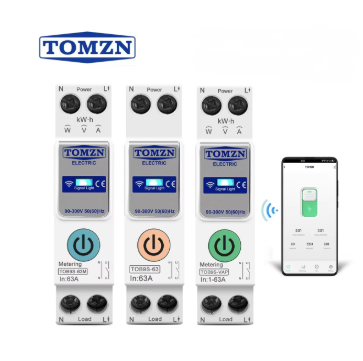
Power continuity stands as the backbone of critical facility operations, where even momentary interruptions can cascade into significant operational disruptions and financial losses. An automatic transfer switch serves as the essential guardian between primary power sources and backup systems, ensuring seamless transitions during power events. These sophisticated devices monitor electrical supply conditions continuously and execute rapid switching protocols when anomalies are detected, maintaining operational integrity across mission-critical environments.
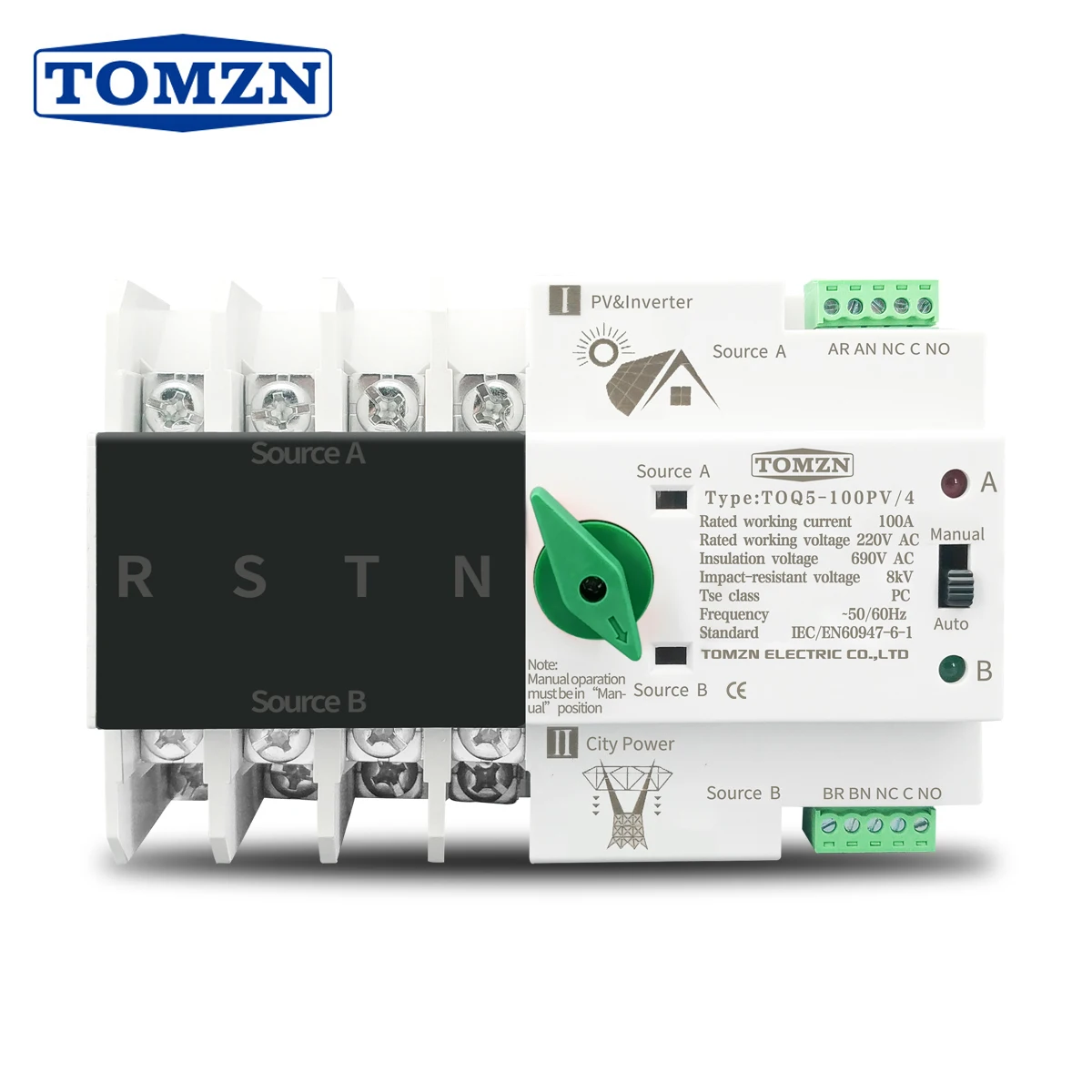
Modern facilities depend heavily on uninterrupted electrical supply for their core functions, from data processing centers to manufacturing plants. The implementation of an automatic transfer switch creates a protective barrier against power disturbances, enabling facilities to maintain productivity levels regardless of external electrical grid conditions. This technology has evolved significantly over recent decades, incorporating advanced monitoring capabilities and faster switching mechanisms that minimize disruption windows to milliseconds rather than seconds.
Understanding Automatic Transfer Switch Technology
Core Components and Functionality
The fundamental architecture of an automatic transfer switch encompasses several critical components working in synchronization to deliver reliable power switching capabilities. The control module serves as the brain of the system, continuously analyzing voltage levels, frequency stability, and phase relationships across multiple power sources. When the primary source experiences deviation from predetermined parameters, the control system initiates transfer protocols that engage mechanical or electronic switching elements.
Switching mechanisms within modern automatic transfer switch units utilize either electromechanical contactors or solid-state components, each offering distinct advantages depending on application requirements. Electromechanical systems provide robust isolation characteristics and can handle substantial current loads, making them suitable for heavy industrial applications. Solid-state alternatives offer faster switching speeds and reduced mechanical wear, proving advantageous in applications requiring frequent transfers or sensitive electronic loads.
The sensing and monitoring subsystems continuously evaluate power quality metrics including voltage magnitude, frequency stability, harmonic distortion, and phase sequence. These parameters are compared against configurable thresholds that determine when transfer actions should occur. Advanced automatic transfer switch models incorporate programmable time delays and return transfer logic to prevent unnecessary switching during brief power anomalies or when backup power sources are not fully stabilized.
Types and Configuration Options
Automatic transfer switch configurations vary significantly based on application requirements and system complexity. Open transition switches create a brief interruption during transfer operations, typically lasting 100-300 milliseconds, which is acceptable for many standard applications. Closed transition switches maintain continuous power flow during transfers by briefly paralleling sources, ensuring zero interruption for the most sensitive loads.
Single-phase and three-phase automatic transfer switch variants address different facility power distribution architectures. Single-phase units serve residential and light commercial applications, while three-phase systems handle industrial and large commercial facilities with higher power demands. The selection between these configurations depends on load characteristics, power requirements, and existing electrical infrastructure design.
Modern automatic transfer switch systems also incorporate multiple source switching capabilities, allowing facilities to choose between utility power, generator backup, solar generation, and battery storage systems. This flexibility enables optimized energy management strategies that consider factors such as time-of-use rates, renewable energy availability, and operational cost optimization beyond basic backup power functionality.
Critical Facility Applications and Benefits
Healthcare and Medical Facilities
Healthcare environments represent perhaps the most critical application domain for automatic transfer switch technology, where power interruptions can directly impact patient safety and life-support systems. Operating rooms, intensive care units, and diagnostic equipment require uninterrupted power to maintain sterile environments, preserve patient data, and ensure continuous operation of life-critical devices. An automatic transfer switch provides the rapid response necessary to maintain these essential functions during utility power disturbances.
Medical imaging equipment such as MRI machines, CT scanners, and digital radiography systems are particularly sensitive to power quality issues and require stable, continuous electrical supply to prevent data corruption and equipment damage. The seamless switching capability of an automatic transfer switch ensures these expensive systems maintain operational readiness and protect ongoing procedures from interruption.
Pharmaceutical manufacturing and research facilities depend on automatic transfer switch systems to maintain controlled environments for drug production and laboratory testing. Temperature-sensitive storage areas, clean room environments, and research equipment require constant environmental control that depends on reliable electrical power. Power interruptions in these facilities can result in product loss, compromised research data, and regulatory compliance issues that extend far beyond immediate operational concerns.
Data Centers and IT Infrastructure
Modern data centers represent the pinnacle of power continuity requirements, where automatic transfer switch technology forms a critical component of comprehensive power protection strategies. These facilities house servers, networking equipment, and storage systems that support cloud services, financial transactions, and communication networks that millions of users depend upon continuously. Even brief power interruptions can cascade into widespread service outages affecting global operations.
The integration of automatic transfer switch systems in data center power distribution enables rapid switching between utility feeds, backup generators, and uninterruptible power supply systems. This multi-layered approach ensures that critical computing loads maintain power availability even during extended utility outages or multiple component failures within the power protection system.
Cloud service providers and colocation facilities utilize automatic transfer switch technology to deliver service level agreements that guarantee uptime percentages of 99.9% or higher. The financial implications of downtime in these environments can reach thousands of dollars per minute, making the investment in reliable automatic transfer switch systems essential for business viability and customer retention.
Installation and Integration Considerations
System Sizing and Electrical Requirements
Proper sizing of an automatic transfer switch requires comprehensive analysis of facility load characteristics, including normal operating loads, peak demand periods, and future expansion plans. The switch must handle not only steady-state current requirements but also accommodate inrush currents from motors, transformers, and other reactive loads that occur during startup sequences. Undersized automatic transfer switch units may experience premature contact wear or failure under normal operating conditions.
Electrical coordination between the automatic transfer switch and upstream protective devices ensures proper fault clearing and prevents nuisance tripping during normal transfer operations. This coordination analysis must consider both utility and backup power source characteristics, as generator systems often have different fault current contributions and response characteristics compared to utility supplies.
Environmental factors significantly impact automatic transfer switch performance and longevity, including ambient temperature, humidity levels, altitude, and seismic considerations. Indoor installations typically provide controlled environments that optimize component life, while outdoor installations require enhanced enclosures and environmental protection features that may affect switching performance and maintenance requirements.
Integration with Backup Power Systems
The relationship between an automatic transfer switch and backup power generation systems requires careful coordination to ensure reliable operation during emergency conditions. Generator starting sequences, voltage stabilization periods, and synchronization requirements must align with automatic transfer switch timing parameters to prevent false transfers or equipment damage during startup procedures.
Modern automatic transfer switch controllers communicate with generator control systems through digital interfaces that provide detailed system status information and enable coordinated responses to changing load conditions. This integration allows for optimized fuel consumption, reduced generator wear, and improved overall system reliability through intelligent load management strategies.
Battery backup systems and uninterruptible power supplies work in conjunction with automatic transfer switch technology to provide seamless power transitions for the most critical loads. The automatic transfer switch handles longer-term backup power switching while battery systems bridge the brief intervals required for generator startup or utility power restoration, creating a comprehensive power protection strategy.
Maintenance and Reliability Optimization
Preventive Maintenance Programs
Regular maintenance of automatic transfer switch systems ensures reliable operation when backup power switching is needed most. Preventive maintenance programs should include periodic testing of transfer operations, inspection of electrical connections, and verification of control system parameters. These activities identify potential issues before they can impact system reliability during actual power emergencies.
Contact inspection and replacement represents a critical maintenance activity, as these components experience the highest mechanical and electrical stress during switching operations. Automatic transfer switch contacts should be examined for pitting, burning, or excessive wear that could compromise switching reliability or create high resistance connections that generate heat and power quality issues.
Control system calibration and software updates keep automatic transfer switch systems operating within optimal parameters as utility power conditions and facility loads evolve over time. These updates may include revised transfer logic, improved power quality algorithms, or enhanced communication capabilities that improve overall system performance and reliability.
Performance Monitoring and Diagnostics
Advanced automatic transfer switch systems incorporate comprehensive monitoring capabilities that track operational parameters, transfer frequencies, and system health indicators. This data enables predictive maintenance strategies that schedule component replacement based on actual usage patterns rather than arbitrary time intervals, optimizing maintenance costs and system reliability.
Remote monitoring capabilities allow facility managers to track automatic transfer switch performance from centralized locations, enabling rapid response to system alarms or abnormal operating conditions. These systems can automatically notify maintenance personnel of developing issues and provide detailed diagnostic information that streamlines troubleshooting and repair procedures.
Data logging features within modern automatic transfer switch controllers maintain historical records of power quality events, transfer operations, and system performance metrics. This information proves valuable for identifying trends, optimizing system settings, and documenting compliance with reliability standards and regulatory requirements.
Economic Impact and Return on Investment
Cost-Benefit Analysis
The financial justification for automatic transfer switch installation extends far beyond the initial equipment and installation costs, encompassing avoided downtime costs, reduced insurance premiums, and improved operational efficiency. Critical facilities often calculate return on investment based on the cost of a single significant power outage, which can easily exceed the total automatic transfer switch system investment.
Manufacturing facilities benefit from automatic transfer switch technology through maintained production schedules, reduced product waste, and eliminated restart costs associated with power interruptions. The ability to maintain continuous operation during utility power disturbances preserves manufacturing efficiency and prevents the cascading costs associated with missed delivery schedules and customer dissatisfaction.
Energy cost optimization represents an additional economic benefit of modern automatic transfer switch systems that can select between multiple power sources based on real-time pricing, renewable energy availability, and demand management strategies. This capability transforms the automatic transfer switch from a passive backup system into an active energy management tool that contributes to ongoing operational cost reduction.
Long-term Value Considerations
The operational lifespan of quality automatic transfer switch systems typically extends 20-30 years with proper maintenance, providing long-term value through consistent power protection capabilities. This extended service life distributes the initial investment cost across many years of reliable operation, improving the overall return on investment calculation compared to systems requiring more frequent replacement.
Facility resale value and insurance considerations often favor properties equipped with comprehensive power protection systems including automatic transfer switch technology. These installations demonstrate commitment to operational reliability and risk mitigation that appeals to potential buyers and may result in reduced insurance premiums for business interruption coverage.
Regulatory compliance benefits of automatic transfer switch systems include meeting building codes, fire safety requirements, and industry-specific standards that mandate backup power capabilities. Compliance with these requirements avoids potential fines, operational restrictions, and liability issues that could arise from inadequate power protection systems.
FAQ
What is the typical response time for an automatic transfer switch during a power outage
Modern automatic transfer switch systems typically respond to utility power loss within 100-300 milliseconds for open transition switches, while closed transition units can achieve seamless transfers with zero interruption time. The exact response time depends on the switch design, load characteristics, and configured delay settings that prevent unnecessary transfers during brief power fluctuations.
How often should an automatic transfer switch be tested to ensure reliable operation
Industry standards recommend monthly testing of automatic transfer switch systems under load conditions to verify proper operation and identify potential issues before they impact emergency response. Additionally, annual comprehensive testing should include contact inspection, control system calibration, and coordination verification with backup power sources to maintain optimal system reliability.
Can an automatic transfer switch handle multiple power sources beyond utility and generator backup
Advanced automatic transfer switch systems can manage multiple power sources including utility feeds, backup generators, solar generation systems, and battery storage installations. These multi-source controllers prioritize power sources based on availability, cost, and operational preferences, enabling sophisticated energy management strategies beyond basic backup power functionality.
What maintenance activities are required to keep an automatic transfer switch operating reliably
Essential maintenance activities include periodic transfer testing, electrical connection inspection, contact examination for wear or damage, control system calibration, and verification of coordination with backup power sources. Most manufacturers recommend annual professional maintenance supplemented by monthly operational testing to ensure reliable performance when backup power switching is needed.
Table of Contents
- Understanding Automatic Transfer Switch Technology
- Critical Facility Applications and Benefits
- Installation and Integration Considerations
- Maintenance and Reliability Optimization
- Economic Impact and Return on Investment
-
FAQ
- What is the typical response time for an automatic transfer switch during a power outage
- How often should an automatic transfer switch be tested to ensure reliable operation
- Can an automatic transfer switch handle multiple power sources beyond utility and generator backup
- What maintenance activities are required to keep an automatic transfer switch operating reliably