
 EN
EN
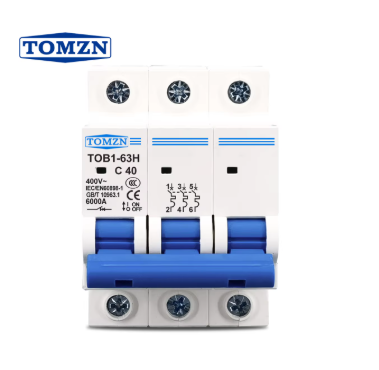
Industrial electrical protection systems require careful consideration of current types, voltage levels, and application-specific demands. While alternating current protection has been the standard for decades, the growing adoption of renewable energy systems, electric vehicle charging infrastructure, and battery storage solutions has created an increasing need for specialized direct current protection devices. Understanding the fundamental differences between dc mcb and traditional AC circuit breakers is essential for engineers, project managers, and electrical contractors working on modern industrial installations.
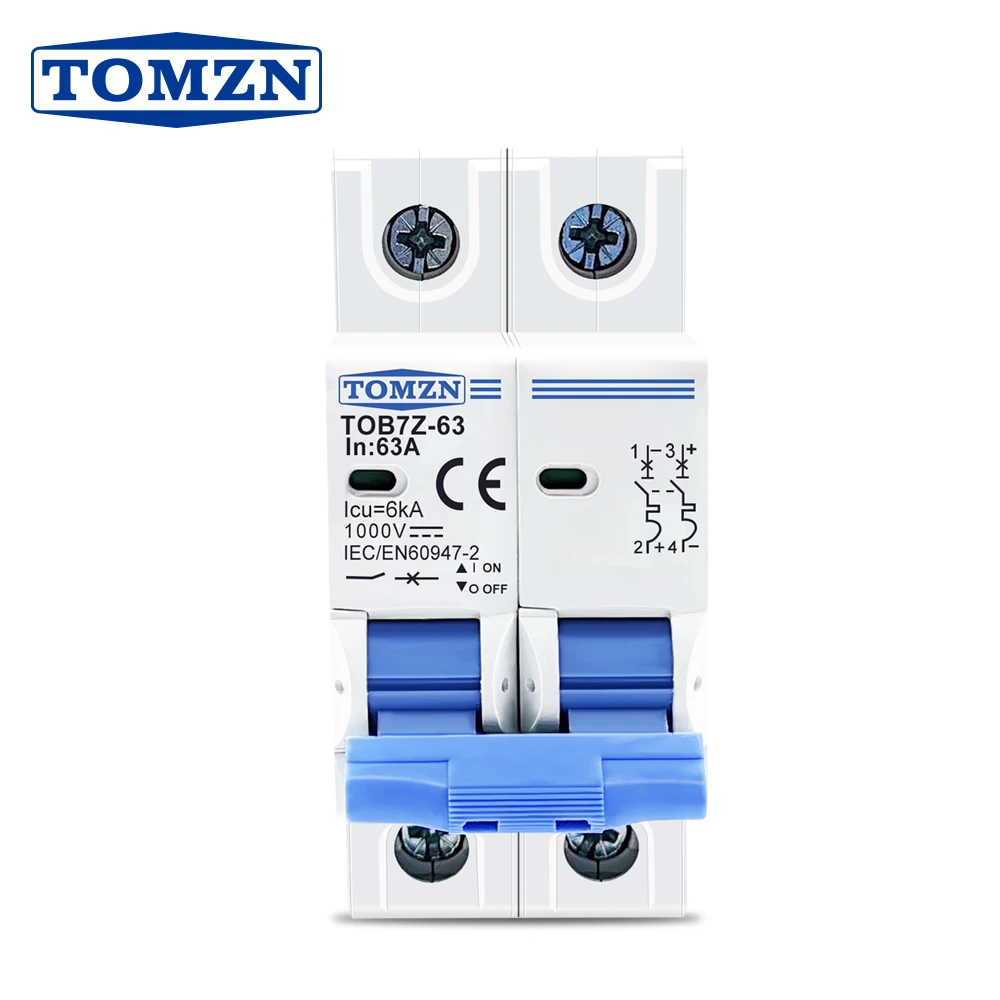
The selection process for direct current miniature circuit breakers involves unique technical considerations that distinguish them from their alternating current counterparts. DC systems present distinct challenges in terms of arc extinction, current interruption capabilities, and protection coordination that directly impact equipment safety and system reliability. These differences become particularly critical in high-voltage applications such as solar power plants, energy storage facilities, and industrial DC motor drives where proper protection device selection can mean the difference between safe operation and catastrophic failure.
Understanding DC Current Characteristics and Protection Challenges
Arc Extinction Behavior in Direct Current Systems
Direct current systems present unique challenges when it comes to arc extinction during fault conditions. Unlike alternating current, which naturally crosses zero twice per cycle providing natural arc extinction points, direct current maintains a constant voltage level throughout operation. This characteristic makes it significantly more difficult for protective devices to interrupt fault currents safely. A dc mcb must be specifically designed with enhanced arc extinction chambers and contact systems that can reliably break the continuous current flow without creating sustained arcing conditions.
The arc extinction process in dc mcb devices typically relies on magnetic blow-out systems that use the fault current itself to create magnetic fields that stretch and cool the arc until it extinguishes. This process requires precise engineering of contact spacing, arc chamber geometry, and magnetic field strength to ensure reliable operation across the entire rated current range. Industrial applications often involve higher fault current levels that further complicate the arc extinction process, making proper device selection critical for system safety.
Voltage Considerations and Insulation Requirements
DC voltage systems often operate at higher voltage levels than comparable AC systems, particularly in renewable energy and energy storage applications. Modern solar installations frequently operate at voltages of 600V to 1500V DC, requiring specialized protection devices rated for these elevated voltage levels. The insulation requirements for dc mcb devices must account for the steady-state voltage stress that occurs in DC systems, which differs significantly from the cyclical voltage variations present in AC systems.
Industrial dc mcb selection must consider not only the nominal system voltage but also potential overvoltage conditions that can occur during switching operations or fault conditions. The dielectric strength of insulating materials and the air gaps between conductors must be designed to withstand these elevated voltage stresses over extended periods. This requirement often results in physically larger devices compared to equivalent AC ratings, impacting panel space requirements and installation considerations.
Current Interruption Capabilities and Rating Standards
Breaking Capacity Requirements for DC Applications
The current interruption capability of a dc mcb represents one of the most critical performance parameters in industrial applications. DC fault currents can reach extremely high levels, particularly in battery storage systems and large solar arrays where multiple parallel current paths contribute to fault magnitude. The breaking capacity rating must exceed the maximum prospective fault current at the installation point with appropriate safety margins to ensure reliable protection under all operating conditions.
Industrial dc mcb devices are typically rated according to IEC 60947-2 standards, which specify testing procedures and performance requirements specifically for DC applications. These standards define different utilization categories based on application type, such as motor protection, general distribution, or photovoltaic system protection. Each category has specific requirements for making and breaking capacity, endurance testing, and environmental performance that directly impact device selection criteria.
Coordination with System Protection Schemes
Proper coordination between multiple protection devices in DC systems requires careful analysis of time-current characteristics and selectivity requirements. Unlike AC systems where transformer impedance often provides natural current limitation, DC systems may have relatively low impedance paths that can result in high fault current levels throughout the distribution network. A well-selected dc mcb must coordinate with upstream and downstream protection devices to ensure that faults are cleared by the device closest to the fault location while maintaining system continuity for unaffected circuits.
The coordination study for DC protection systems must account for the operating characteristics of batteries, solar panels, or other DC sources that may continue to supply fault current even after AC sources are disconnected. This ongoing current supply capability requires protection devices with enhanced interruption capabilities and coordination schemes that account for the sustained nature of DC fault currents compared to AC systems where source impedance typically limits fault duration.
Application-Specific Selection Criteria
Solar Photovoltaic System Requirements
Solar photovoltaic installations represent one of the largest applications for dc mcb devices in modern industrial projects. These systems present unique challenges including reverse current protection, ground fault detection, and the need to operate reliably in outdoor environments with extreme temperature variations. The selection of appropriate dc mcb devices for PV applications requires consideration of the maximum system voltage, string current ratings, and environmental exposure conditions.
PV-specific dc mcb devices often incorporate additional features such as integrated disconnect switches, arc fault detection capabilities, and enhanced UV resistance for outdoor installations. The current rating must account for the maximum short-circuit current that can be supplied by the solar array under peak irradiance conditions, while also considering the reverse current that might flow during certain fault conditions. Temperature derating factors become particularly important in PV applications where ambient temperatures can significantly exceed standard industrial environments.
Energy Storage and Battery System Protection
Battery energy storage systems present some of the most demanding applications for dc mcb protection devices due to the extremely high fault current capability of battery banks and the critical nature of battery protection requirements. Modern lithium-ion battery systems can supply fault currents exceeding 50kA, requiring protection devices with exceptional breaking capacity and rapid response characteristics to prevent thermal runaway and fire hazards.
The selection of dc mcb devices for battery applications must consider the battery chemistry, charge and discharge current profiles, and the need for bidirectional current protection. Battery systems operate across a wide voltage range as they charge and discharge, requiring protection devices that maintain their performance characteristics across this voltage range. Additionally, the protection system must coordinate with battery management systems to ensure safe disconnection during fault conditions while minimizing the risk of arc flash incidents during maintenance operations.
Environmental and Installation Considerations
Temperature Effects on Performance
Environmental temperature variations significantly impact the performance characteristics of dc mcb devices, particularly in industrial applications where equipment may be installed in unconditioned spaces or outdoor environments. The current-carrying capacity of circuit breakers decreases with increasing ambient temperature, requiring derating calculations to ensure adequate protection at maximum expected operating temperatures. This temperature sensitivity affects both the thermal trip characteristics and the magnetic trip settings of the protection device.
Industrial dc mcb applications often require operation across temperature ranges from -40°C to +85°C, particularly in renewable energy installations and outdoor industrial facilities. The selection process must account for these temperature extremes and their impact on contact resistance, insulation properties, and mechanical operation of the switching mechanism. Temperature compensation features in advanced dc mcb devices help maintain consistent protection characteristics across the operating temperature range, improving system reliability and reducing maintenance requirements.
Mechanical and Electrical Endurance Requirements
The mechanical and electrical endurance requirements for industrial dc mcb applications often exceed those of typical commercial installations due to the harsh operating environments and critical nature of industrial processes. Vibration resistance becomes particularly important in applications involving rotating machinery or transportation systems where mechanical stress can affect contact integrity and trip mechanism reliability over time.
Electrical endurance testing for dc mcb devices includes both normal operation cycling and fault interruption capability verification. Industrial applications may require devices capable of hundreds of thousands of normal switching operations and dozens of fault current interruptions while maintaining their protective characteristics. The contact materials and arc extinction systems must be designed to withstand the erosive effects of repeated current interruption without degradation of performance or reliability.
Economic and Lifecycle Considerations
Total Cost of Ownership Analysis
The economic evaluation of dc mcb selection extends beyond initial purchase price to include installation costs, maintenance requirements, and potential downtime costs associated with protection system failures. Higher-quality devices with enhanced features may command premium pricing but often provide lower total cost of ownership through reduced maintenance needs and improved system reliability. The analysis should consider the criticality of the protected equipment and the economic impact of unplanned outages on industrial operations.
Energy efficiency considerations also play a role in dc mcb selection, particularly in high-current applications where contact resistance and power losses can accumulate to significant values over time. Low-resistance contacts and optimized current paths in quality dc mcb devices can reduce operational energy costs while minimizing heat generation that could affect panel ventilation requirements and component lifecycles.
Maintenance and Replacement Planning
Maintenance planning for dc mcb installations requires consideration of device accessibility, testing requirements, and spare parts availability. Industrial applications often benefit from devices that can be tested and maintained without complete system shutdown, minimizing production interruptions and maintenance costs. The availability of diagnostic features such as trip indication, contact wear monitoring, and remote status indication can significantly reduce maintenance time and improve system uptime.
Standardization of dc mcb types and ratings across an industrial facility can simplify inventory management and reduce spare parts costs while ensuring that maintenance personnel are familiar with the equipment characteristics and replacement procedures. The selection process should consider the long-term availability of replacement devices and the manufacturer's commitment to supporting the product line over the expected facility lifecycle.
Integration with Modern Control Systems
Communication and Monitoring Capabilities
Modern industrial dc mcb devices increasingly incorporate communication capabilities that enable integration with facility management systems, energy management platforms, and predictive maintenance programs. These features allow real-time monitoring of current levels, temperature conditions, and device status that can provide early warning of potential problems and optimize system operation. The communication protocols must be compatible with existing facility infrastructure and cybersecurity requirements.
Advanced dc mcb devices may include features such as energy metering, power quality monitoring, and load profiling that provide valuable data for system optimization and energy management programs. The integration of these capabilities into the protection device eliminates the need for separate monitoring equipment while providing comprehensive system visibility that supports both operational and maintenance decision-making processes.
Smart Grid and Renewable Energy Integration
The integration of renewable energy sources and energy storage systems into industrial facilities requires dc mcb devices that can support bidirectional power flow and coordinate with grid management systems. Smart grid applications may require protection devices that can respond to external control signals for load shedding, islanding operations, or demand response programs while maintaining their primary protection functions.
The selection of dc mcb devices for smart grid applications must consider communication security requirements, response time specifications, and coordination with other grid-connected protection devices. These applications often involve complex protection schemes that require precise timing and coordination between multiple devices, making the selection of compatible and reliable protection equipment critical to system success.
FAQ
What voltage ratings are available for industrial dc mcb applications
Industrial dc mcb devices are available in voltage ratings ranging from 24V DC for low-voltage control applications up to 1500V DC for high-voltage renewable energy and industrial systems. The most common voltage ratings include 125V, 250V, 500V, 750V, 1000V, and 1500V DC, with each rating designed for specific application requirements and safety standards. The selection of appropriate voltage rating must account for the maximum system voltage including any potential overvoltage conditions that may occur during normal or fault operations.
How do dc mcb trip characteristics differ from AC circuit breakers
DC mcb trip characteristics are specifically calibrated for direct current applications where the current does not have natural zero crossings like AC systems. The thermal trip portion responds to the RMS heating effect of the current, while the magnetic trip portion must account for the sustained nature of DC fault currents. DC devices typically have different time-current curves compared to equivalent AC ratings due to the different arc extinction requirements and the absence of natural current zeros that aid in current interruption.
What maintenance procedures are required for dc mcb devices in industrial applications
Maintenance procedures for industrial dc mcb devices typically include periodic visual inspection for signs of overheating or mechanical damage, contact resistance testing to verify proper electrical connections, and functional testing of trip mechanisms using appropriate test equipment. The maintenance frequency depends on the operating environment and criticality of the application, but annual inspection is generally recommended for critical applications. Advanced devices with diagnostic capabilities may provide continuous monitoring that can extend maintenance intervals while providing early warning of potential problems.
Can dc mcb devices be used for both positive and negative DC circuits
Most dc mcb devices are designed for unipolar operation and should be specified for either positive or negative DC circuits, although many devices can handle both polarities when properly applied. Bipolar dc mcb devices are available for applications requiring protection of both positive and negative conductors in a single device package. The selection depends on the system grounding configuration and protection coordination requirements, with proper polarity identification being critical for reliable operation and maintenance safety.