
 EN
EN
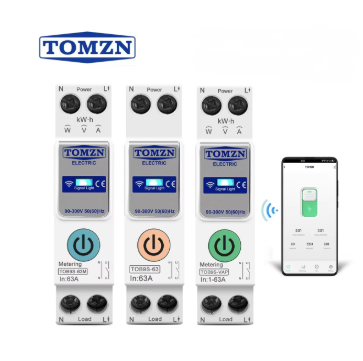
Modern electrical infrastructure is undergoing a fundamental transformation, and the wifi breaker sits at the center of that shift. As buildings become smarter and energy costs continue to rise, facility managers, electrical engineers, and homeowners alike are looking for ways to gain real-time visibility and control over their electrical systems. A wifi breaker makes that possible by combining the protective function of a traditional circuit breaker with wireless connectivity, remote switching capability, and energy monitoring — all accessible from a smartphone or automation platform.
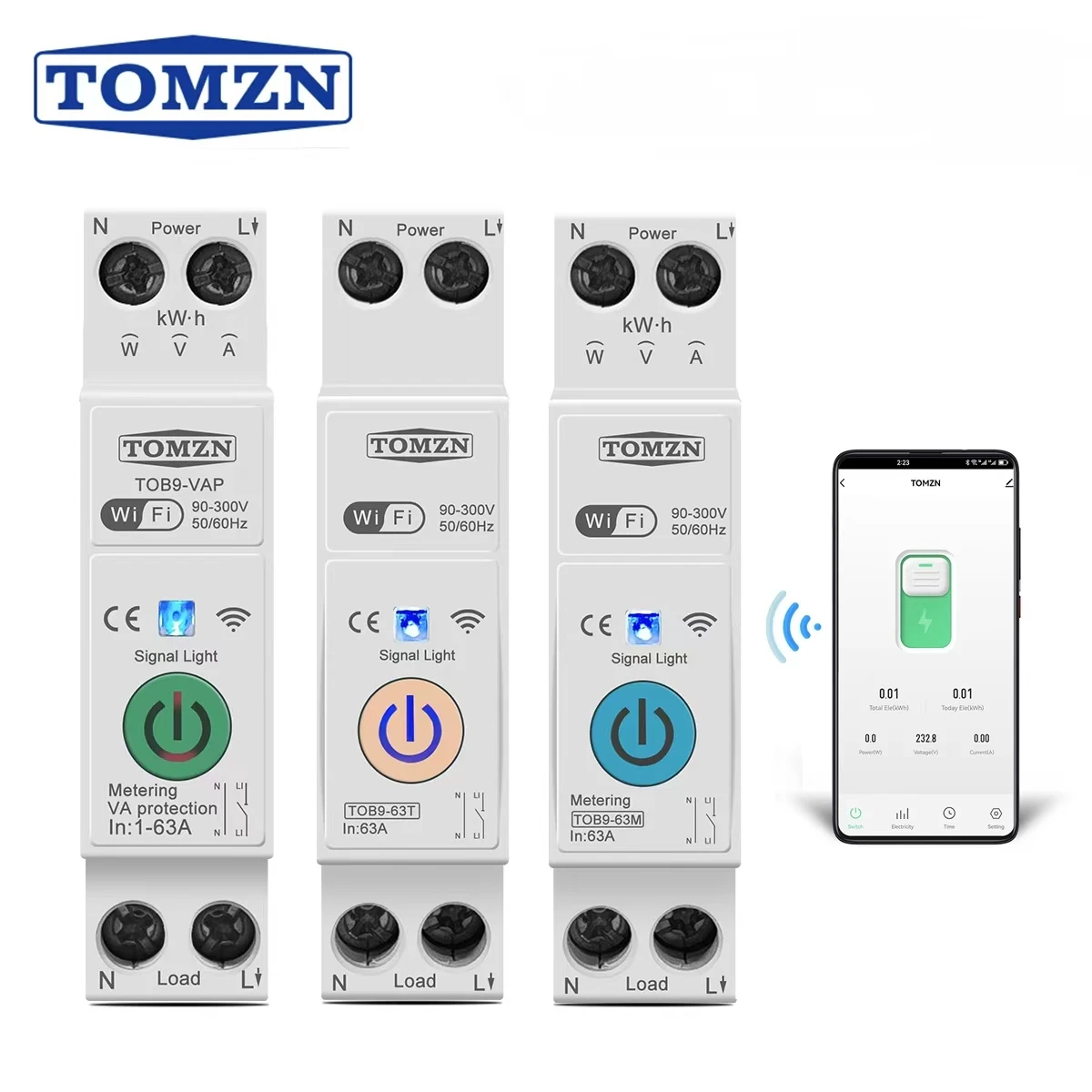
Understanding how a wifi breaker enables smart electrical system management requires looking beyond the device itself. It is not simply a breaker with a wireless chip added on. It represents a new layer of intelligence in the electrical panel — one that feeds data upstream, responds to commands remotely, and integrates with broader building automation or energy management systems. This article explains the mechanisms, use cases, and practical implications of deploying wifi breaker technology in real-world electrical environments.
The Core Mechanism Behind a WiFi Breaker
How Connectivity Is Built Into the Breaker
A wifi breaker integrates a wireless communication module directly into the breaker housing, allowing it to connect to a local Wi-Fi network without requiring additional hardware gateways in most configurations. Once connected, the device communicates with a cloud platform or local hub, enabling two-way data exchange. Commands can be sent to the breaker to open or close the circuit, and the breaker continuously sends back status data including current load, voltage, energy consumption in kWh, and trip events.
This bidirectional communication is what separates a wifi breaker from a simple smart plug or timer relay. The breaker operates at the panel level, meaning it governs entire circuits rather than individual outlets. That makes it far more powerful for managing large loads such as HVAC systems, industrial machinery, lighting zones, or EV charging stations. The intelligence is embedded where the power distribution actually happens.
Most modern wifi breaker devices are compatible with popular smart home and building automation ecosystems. Platforms such as Tuya and SmartLife are commonly supported, which means the breaker can be integrated into existing automation workflows without requiring proprietary software. This openness is a significant advantage for system integrators working across diverse building environments.
Energy Metering as a Management Tool
One of the most operationally valuable features of a wifi breaker is its built-in energy metering capability. Rather than relying on separate submetering hardware, the wifi breaker measures real-time power consumption at the circuit level and logs that data over time. Facility managers can access historical kWh data, identify consumption trends, and pinpoint circuits that are drawing more power than expected.
This granular visibility is essential for energy audits, cost allocation in multi-tenant buildings, and compliance with energy efficiency standards. When a wifi breaker is deployed across multiple circuits in a commercial or industrial facility, the aggregated data creates a detailed picture of how energy is being used throughout the building. That information directly supports decisions about load balancing, equipment scheduling, and efficiency upgrades.
The metering function also serves a protective role. Abnormal consumption patterns — such as a sudden spike in draw from a motor circuit — can indicate equipment faults before they escalate into failures or fire hazards. A wifi breaker that monitors these patterns continuously provides an early warning layer that traditional breakers simply cannot offer.
Remote Control and Its Role in System Management
Switching Circuits Without Physical Access
The ability to remotely switch a circuit on or off is one of the most immediately practical benefits of a wifi breaker. In large facilities, electrical panels are often located in utility rooms, rooftop enclosures, or other areas that require time and effort to access. With a wifi breaker installed, an operator can open or close any connected circuit from a mobile app in seconds, regardless of physical location.
This capability has direct implications for maintenance workflows. When a technician needs to isolate a circuit before performing work, the wifi breaker allows that isolation to be confirmed and logged remotely. When work is complete, the circuit can be re-energized without requiring a second person at the panel. This reduces labor time and improves safety coordination, particularly in facilities where electrical panels serve multiple floors or buildings.
Remote switching also enables rapid response to electrical incidents. If a fault is detected or a circuit needs to be de-energized during an emergency, the wifi breaker can be tripped remotely without waiting for personnel to reach the panel. That speed can be critical in preventing equipment damage or reducing fire risk in industrial environments.
Scheduled and Automated Circuit Control
Beyond manual remote switching, a wifi breaker supports timer-based and automation-triggered control. Circuits can be programmed to switch on or off at specific times, which is particularly useful for managing lighting, HVAC pre-conditioning, or equipment warm-up cycles. This scheduling capability eliminates the need for separate timer relays and consolidates control into a single device.
When integrated with a broader automation platform, the wifi breaker can respond to external triggers such as occupancy sensors, weather data, or energy pricing signals. For example, a facility enrolled in a demand response program can configure its wifi breaker devices to automatically shed non-critical loads when grid prices spike, reducing peak demand charges without requiring manual intervention.
This level of automation transforms the electrical panel from a passive distribution point into an active participant in building energy management. The wifi breaker is the enabling device that makes circuit-level automation practical and cost-effective, without requiring a full building management system overhaul.
Fault Detection, Alerts, and Protective Intelligence
Real-Time Monitoring and Instant Notifications
A wifi breaker continuously monitors the electrical parameters of its circuit and can generate instant alerts when conditions fall outside defined thresholds. Overcurrent events, voltage anomalies, and unexpected trip events are all logged and can trigger push notifications to designated personnel. This real-time alerting capability is a significant upgrade over traditional breakers, which provide no notification mechanism beyond the physical trip indicator.
For facilities management teams responsible for multiple sites, the wifi breaker creates a centralized visibility layer. Rather than relying on on-site staff to notice and report electrical issues, the system proactively surfaces problems as they occur. This reduces the time between fault occurrence and corrective action, which directly limits the operational and financial impact of electrical failures.
The alert system also supports preventive maintenance strategies. When a wifi breaker consistently reports elevated current draw on a particular circuit, that pattern can prompt a scheduled inspection before the issue becomes a failure. This predictive approach to electrical maintenance is only possible because the wifi breaker provides continuous, accessible data rather than a one-time snapshot.
Trip Logging and Compliance Documentation
Every trip event recorded by a wifi breaker is timestamped and stored, creating an audit trail that supports both internal maintenance records and external compliance requirements. In regulated industries such as food processing, pharmaceuticals, or data center operations, the ability to demonstrate that electrical systems were monitored and that faults were responded to promptly is often a compliance requirement.
The trip log also provides diagnostic value. By reviewing the sequence of events leading up to a trip, maintenance engineers can determine whether the cause was a genuine overload, a transient fault, or a nuisance trip caused by inrush current. That distinction matters for selecting the correct corrective action and for adjusting protection settings appropriately.
A wifi breaker that maintains detailed event logs effectively functions as a black box for the electrical circuit it protects. That historical record is invaluable when troubleshooting recurring issues or when preparing documentation for insurance claims, equipment warranty disputes, or regulatory inspections.
Integration With Smart Building and Industrial Automation Systems
Connecting the Electrical Panel to the Digital Layer
The wifi breaker serves as a bridge between the physical electrical infrastructure and the digital management layer of a smart building or industrial facility. By exposing circuit-level data and control through standard APIs and cloud platforms, the wifi breaker allows electrical system management to be incorporated into the same dashboards and workflows used for HVAC, lighting, access control, and other building systems.
This integration eliminates the traditional separation between electrical engineering and building automation. Facility managers no longer need to consult separate systems to understand how electrical consumption relates to occupancy patterns or production schedules. The wifi breaker feeds its data into the unified management environment, where it can be correlated with other operational variables to support more informed decisions.
For industrial applications, the wifi breaker can be integrated with SCADA systems or industrial IoT platforms, allowing circuit-level electrical data to be incorporated into process monitoring and control workflows. This is particularly relevant for facilities where electrical supply reliability directly affects production output, such as manufacturing plants, cold storage facilities, or water treatment operations.
Scalability Across Multi-Circuit and Multi-Site Deployments
One of the practical strengths of wifi breaker technology is its scalability. A single wifi breaker can be deployed to address a specific monitoring need, but the same device architecture scales to cover an entire electrical panel or a portfolio of facilities. Because each wifi breaker connects independently to the network, adding coverage to additional circuits requires no rewiring of communication infrastructure — only the installation of additional devices.
For organizations managing multiple sites, the wifi breaker enables centralized oversight from a single platform. Energy consumption, circuit status, and fault alerts from every location can be monitored from one interface, allowing a small facilities team to maintain visibility across a large and geographically distributed asset base. This scalability makes the wifi breaker a practical choice for retail chains, logistics networks, and multi-site industrial operators.
The device-level independence of each wifi breaker also means that failures in one unit do not affect the operation of others. The system degrades gracefully, and replacement of a faulty unit restores full functionality to that circuit without disrupting the broader network. This resilience is an important consideration for facilities where electrical system uptime is critical.
Practical Deployment Considerations for Electrical Professionals
Installation and Network Requirements
Installing a wifi breaker follows the same physical process as installing a standard MCB, with the addition of ensuring adequate Wi-Fi signal strength at the panel location. Most electrical panels are located in areas with limited wireless coverage, so a site survey to confirm signal quality before deployment is a recommended step. In cases where signal is insufficient, a Wi-Fi extender or access point positioned near the panel resolves the issue without requiring structural changes.
Network security is a consideration that should not be overlooked. A wifi breaker connected to a building network introduces a new endpoint that must be managed according to the facility's cybersecurity policy. Placing wifi breaker devices on a dedicated IoT VLAN, separate from operational IT systems, is a standard practice that limits exposure while preserving full functionality. Firmware updates should be applied regularly to maintain security and access the latest feature improvements.
Commissioning a wifi breaker involves connecting it to the chosen platform, configuring alert thresholds, and verifying that remote switching commands are executed correctly. Most platforms provide guided setup workflows that make this process straightforward even for personnel without deep IoT experience. The relatively low commissioning burden is one reason wifi breaker adoption has accelerated across both commercial and industrial segments.
Selecting the Right WiFi Breaker for the Application
Choosing the appropriate wifi breaker for a given application requires matching the device's rated current capacity to the circuit load, confirming compatibility with the installation's voltage and phase configuration, and verifying that the device supports the required automation platform. A wifi breaker rated for 63A single-pole with neutral, for example, is well suited to high-load single-phase circuits in commercial or light industrial environments.
The metering resolution and data logging capabilities of the wifi breaker should also be evaluated against the application's requirements. Facilities that need detailed energy reporting for billing or compliance purposes should select a device with high-accuracy kWh metering and sufficient data retention. For applications where remote switching and basic monitoring are the primary needs, a simpler configuration may be adequate.
Long-term support and platform stability are practical considerations that influence the total cost of ownership of a wifi breaker deployment. Devices that rely on well-established platforms with active development communities offer greater assurance of continued functionality as building systems evolve. Evaluating the vendor's track record and the platform's ecosystem breadth is a worthwhile step before committing to a large-scale deployment.
FAQ
What makes a wifi breaker different from a standard smart relay or timer switch?
A wifi breaker combines circuit protection, remote switching, and energy metering in a single panel-mounted device. Unlike a smart relay or timer switch, it provides overcurrent and short-circuit protection at the circuit level, logs trip events, and measures real-time power consumption. This makes it a more comprehensive solution for electrical system management rather than a simple switching accessory.
Can a wifi breaker be used in industrial environments with high electrical loads?
Yes, wifi breaker devices are available in ratings suitable for industrial applications, including higher amperage configurations designed for demanding loads. The key is selecting a device with the correct current rating, breaking capacity, and environmental protection rating for the specific installation. In industrial settings, integration with SCADA or industrial IoT platforms extends the value of the wifi breaker beyond basic monitoring into process-level management.
How does a wifi breaker contribute to energy cost reduction?
A wifi breaker enables energy cost reduction through several mechanisms. Its real-time metering identifies circuits with excessive or unexpected consumption, allowing targeted efficiency improvements. Its scheduling capability eliminates standby loads during unoccupied periods. And its integration with demand response programs allows automatic load shedding during peak pricing periods. Together, these capabilities can produce measurable reductions in both energy consumption and peak demand charges.
Is a wifi breaker difficult to install for a qualified electrician?
For a qualified electrician, installing a wifi breaker is straightforward. The physical installation follows standard MCB procedures. The additional steps involve connecting the device to the Wi-Fi network and configuring it through the associated app or platform, which typically takes only a few minutes. The main site preparation consideration is confirming adequate wireless signal strength at the panel location before installation begins.