
 EN
EN
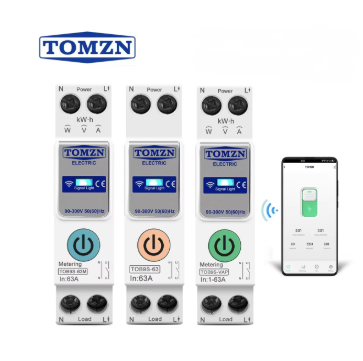
The modern smart home is no longer just about voice assistants and connected lighting. At its core, true smart home energy control requires intelligent management of the electrical circuits that power every device, appliance, and system in the building. This is precisely where the wifi breaker has become an indispensable component. Unlike conventional circuit breakers that simply trip when overloaded, a wifi breaker brings remote control, real-time monitoring, and automation scheduling directly into the hands of the homeowner or facility manager.
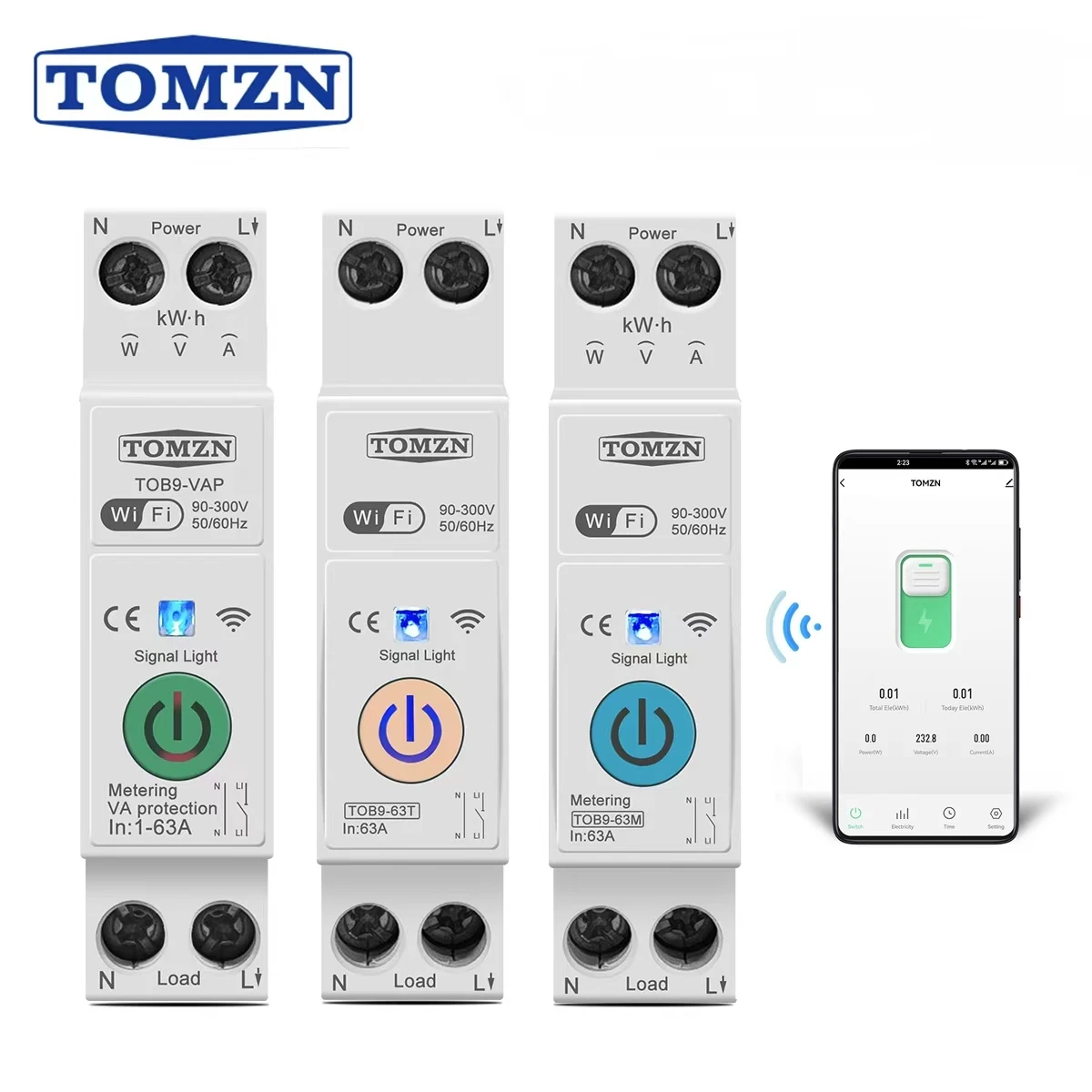
As energy costs rise and sustainability expectations grow, the demand for smarter, more responsive electrical infrastructure has accelerated significantly. A wifi breaker sits at the intersection of electrical safety and digital intelligence, enabling homeowners to do far more than simply protect circuits from overcurrent. It allows them to track consumption, automate load management, and respond to electrical events from anywhere in the world. Understanding why the wifi breaker is essential to modern smart home energy control means understanding how today's homes actually consume, waste, and optimize power.
The Shift from Passive to Active Circuit Protection
Traditional Breakers and Their Limitations
For decades, the standard circuit breaker served a single purpose: interrupt the flow of electricity when current exceeded a safe threshold. This passive protection model worked well in an era when homes had predictable, static electrical loads. However, the modern smart home introduces dynamic, variable loads from EV chargers, heat pumps, home offices, and high-draw appliances that operate on shifting schedules. A traditional breaker has no awareness of these patterns and offers no mechanism for the homeowner to interact with it remotely.
The fundamental limitation of a passive breaker is that it only reacts after a problem has already occurred. It cannot warn you that a circuit is approaching its limit, cannot be switched off remotely when you leave the house, and cannot provide any data about how much energy a particular circuit has consumed over time. In a smart home context, this passivity represents a significant gap in the overall energy management strategy.
This is the core reason why the wifi breaker has emerged as a critical upgrade. It transforms the circuit breaker from a passive safety device into an active, communicating node within the home's energy management ecosystem. Every circuit protected by a wifi breaker becomes a data point, a controllable switch, and an automation trigger simultaneously.
How a WiFi Breaker Changes the Control Model
A wifi breaker integrates wireless connectivity directly into the breaker unit itself, allowing it to communicate with a smartphone app, a smart home hub, or a cloud-based energy management platform. This connectivity enables the homeowner to switch circuits on or off remotely, set schedules for when specific circuits should be active, and receive alerts when consumption patterns deviate from the norm. The control model shifts from reactive to proactive.
Many wifi breaker models also incorporate energy metering functions, measuring kilowatt-hour consumption at the circuit level. This granular data is invaluable for identifying energy waste, verifying that high-draw appliances are operating efficiently, and building accurate energy budgets. When a wifi breaker reports that a particular circuit consumed significantly more power than expected overnight, that is actionable intelligence that a traditional breaker simply cannot provide.
The integration of timer and relay functions within a wifi breaker further extends its utility. Circuits can be programmed to activate during off-peak tariff windows, deactivate automatically when occupancy sensors detect an empty room, or respond to signals from a solar inverter when excess generation is available. This level of responsiveness is what separates a genuinely smart home from one that merely has smart devices installed on a dumb electrical backbone.
Energy Monitoring as a Foundation for Smart Home Efficiency
Circuit-Level Visibility and Its Practical Value
One of the most compelling reasons why a wifi breaker is essential for modern smart home energy control is the circuit-level energy visibility it provides. Whole-home energy monitors can tell you how much power the entire house is consuming, but they cannot tell you which circuit is responsible for an unexpected spike. A wifi breaker with integrated KWh metering solves this problem by attributing consumption directly to the circuit it protects.
This visibility has immediate practical value. Homeowners can identify which appliances or zones are consuming disproportionate amounts of energy, compare consumption across different time periods, and make informed decisions about usage habits or equipment upgrades. For example, discovering that a home office circuit draws significantly more power during video calls than during standard computer use can prompt adjustments to equipment settings or ventilation management.
For households with time-of-use electricity tariffs, circuit-level data from a wifi breaker enables precise load shifting. By knowing exactly when and how much each circuit consumes, homeowners can schedule high-draw activities during cheaper rate windows and reduce overall electricity costs without sacrificing comfort or convenience. This kind of data-driven optimization is only possible when the breaker itself is an intelligent, reporting device.
Integrating WiFi Breaker Data with Smart Home Platforms
Modern wifi breaker units are commonly designed to integrate with established smart home ecosystems such as Tuya and SmartLife, enabling seamless coordination with other connected devices. When a wifi breaker shares its consumption data with a central smart home platform, that data can trigger automations, inform dashboards, and feed into broader energy management routines. The breaker becomes a participant in the home's intelligence rather than an isolated component.
Consider a scenario where a wifi breaker monitoring the HVAC circuit detects that the system has been running continuously for an unusually long period. This data point, shared with the smart home platform, can trigger a notification to the homeowner, initiate a diagnostic check via a connected thermostat, or even temporarily reduce the circuit's load to prevent overheating. None of this is possible without the wifi breaker acting as both a sensor and a controllable switch within the ecosystem.
The value of this integration compounds over time. As the smart home platform accumulates historical data from each wifi breaker, it can identify seasonal patterns, predict maintenance needs, and suggest optimizations that would not be apparent from short-term observation. This longitudinal intelligence is one of the strongest arguments for treating the wifi breaker as a foundational element of smart home infrastructure rather than an optional accessory.
Remote Control and Safety Benefits for Modern Households
Managing Electrical Risk from Anywhere
Safety is a primary driver of why the wifi breaker is essential in modern smart home energy control. The ability to remotely switch off a circuit provides a meaningful safety advantage in situations where a homeowner cannot physically access the electrical panel. If a family member notices that an appliance has been left on after leaving the house, a wifi breaker allows them to cut power to that circuit immediately from their smartphone, eliminating the risk of overheating or fire.
This remote control capability is particularly valuable for households with elderly residents, vacation properties, or rental units where the owner is not always present. A wifi breaker can be configured to send alerts when a circuit draws power outside of expected hours, enabling rapid response to potential hazards. The combination of real-time monitoring and remote switching creates a safety net that traditional breakers simply cannot replicate.
Beyond individual circuit management, a wifi breaker can be integrated into broader home security routines. When an alarm system detects an intrusion, it can signal the smart home platform to cut power to specific circuits, disabling garage doors, powered gates, or other access-enabling systems. This kind of coordinated response requires the electrical layer of the home to be as connected and responsive as the security layer, which is exactly what a wifi breaker enables.
Overload Prevention and Proactive Load Management
A wifi breaker with real-time current monitoring can alert homeowners before a circuit reaches its rated capacity, enabling proactive load management rather than reactive tripping. This is especially important in homes where high-draw appliances such as EV chargers, washing machines, and air conditioners may operate simultaneously on circuits that are close to their limits. Receiving an alert that a circuit is at 85% capacity allows the homeowner to defer a non-critical load rather than waiting for the breaker to trip and disrupt operations.
Some wifi breaker models support configurable current thresholds that trigger automated responses rather than just notifications. When consumption on a monitored circuit exceeds a defined level, the wifi breaker can automatically reduce or cut power to a secondary load on the same circuit, protecting the primary appliance and preventing nuisance tripping. This kind of intelligent load balancing is a direct contribution to both safety and operational continuity in the smart home.
For homes with solar generation or battery storage systems, the wifi breaker plays a critical role in dynamic load management. By responding to signals from the energy management system, a wifi breaker can prioritize circuits during periods of low generation, shed non-essential loads when battery reserves are depleted, and restore full power when generation recovers. This responsiveness makes the wifi breaker an active participant in the home's energy resilience strategy.
Automation, Scheduling, and the Smart Energy Lifestyle
Timer Functions and Off-Peak Optimization
The timer and scheduling capabilities built into a wifi breaker are among its most practically useful features for everyday energy management. Homeowners can program specific circuits to activate and deactivate at defined times, aligning high-consumption activities with off-peak electricity tariff windows. Water heaters, pool pumps, EV chargers, and storage heaters are all ideal candidates for timer-based control via a wifi breaker, as they can operate effectively during low-cost periods without requiring manual intervention.
This scheduling capability also supports lifestyle automation that goes beyond pure cost savings. A wifi breaker controlling the kitchen circuit can be programmed to activate before the household wakes up, ensuring that appliances are ready without consuming standby power overnight. Similarly, circuits serving home entertainment systems can be scheduled to cut power during working hours, eliminating phantom loads from devices left in standby mode.
The cumulative effect of these scheduled optimizations can be substantial. Studies of smart home energy management consistently show that automated load scheduling and standby power elimination can reduce household electricity consumption by a meaningful percentage. The wifi breaker is the mechanism that makes this automation possible at the circuit level, where the actual energy flows are controlled.
Coordination with Renewable Energy Sources
As residential solar installations become more common, the wifi breaker has taken on an increasingly important role in maximizing self-consumption of generated power. When a solar inverter signals that excess generation is available, a wifi breaker can activate circuits serving deferrable loads such as water heating, battery charging, or pool filtration, ensuring that surplus solar energy is used productively rather than exported at low feed-in tariff rates.
This coordination between the wifi breaker and the solar system creates a dynamic energy management loop that responds to real-time generation conditions. Rather than relying on fixed schedules that may not align with actual solar output on cloudy days, the wifi breaker can respond to live signals and adjust circuit activation accordingly. This responsiveness is a key advantage of the wifi breaker over simpler timer-based controls.
For homes with battery storage, the wifi breaker can also participate in discharge management strategies. By monitoring circuit consumption and comparing it against battery state-of-charge data, the smart home platform can instruct specific wifi breaker units to shed non-essential loads when battery reserves fall below a defined threshold, extending the duration of backup power during grid outages or high-tariff periods. This level of coordination elevates the wifi breaker from a simple switching device to a core component of the home's energy resilience architecture.
FAQ
What makes a wifi breaker different from a standard smart plug or smart switch?
A wifi breaker operates at the circuit level within the electrical panel, controlling and monitoring the entire circuit rather than a single outlet or device. This means it can manage higher current loads, provide circuit-level energy metering, and offer the same overcurrent protection as a traditional breaker while adding remote control and automation capabilities. Smart plugs and switches operate at the device level and cannot provide the same breadth of control or safety protection that a wifi breaker delivers at the infrastructure level.
Is a wifi breaker suitable for all types of circuits in a smart home?
A wifi breaker is suitable for a wide range of residential circuits, including lighting, general power, HVAC, water heating, and EV charging circuits, provided the breaker's rated current matches the circuit's requirements. It is important to select a wifi breaker with the appropriate amperage rating for each specific circuit. For circuits with very specialized protection requirements, such as those serving medical equipment, consulting a qualified electrician before installation is advisable to ensure compatibility and compliance with local electrical codes.
How does a wifi breaker contribute to reducing electricity bills?
A wifi breaker reduces electricity bills through several complementary mechanisms. Its energy metering function identifies high-consumption circuits and appliances, enabling targeted efficiency improvements. Its scheduling capability allows high-draw loads to be shifted to off-peak tariff windows, directly reducing the cost per kilowatt-hour for those activities. Its integration with solar systems maximizes self-consumption of generated power, reducing reliance on grid electricity. Together, these functions make the wifi breaker a practical tool for ongoing energy cost management rather than a one-time efficiency measure.
Can a wifi breaker be installed in an existing home, or is it only for new builds?
A wifi breaker can be retrofitted into an existing electrical panel as a direct replacement for a standard circuit breaker of the same pole configuration and current rating. This makes it accessible for homeowners who want to upgrade their energy management capabilities without undertaking a full electrical renovation. The installation should be carried out by a qualified electrician to ensure safe integration with the existing panel and compliance with applicable electrical standards. Once installed, the wifi breaker connects to the home's wireless network and can be configured through its associated app without any further structural changes.