
 EN
EN
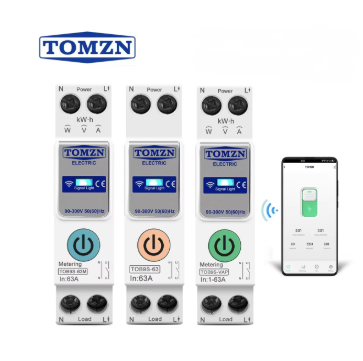
Modern homeowners are increasingly seeking ways to monitor and reduce their electricity consumption, making smart energy meters an essential component of today's connected homes. These innovative devices provide real-time insights into power usage patterns, enabling households to make informed decisions about their energy consumption and ultimately reduce utility bills. The evolution of smart home technology has transformed traditional energy monitoring from simple analog meters to sophisticated digital systems that offer comprehensive data analysis and remote accessibility.
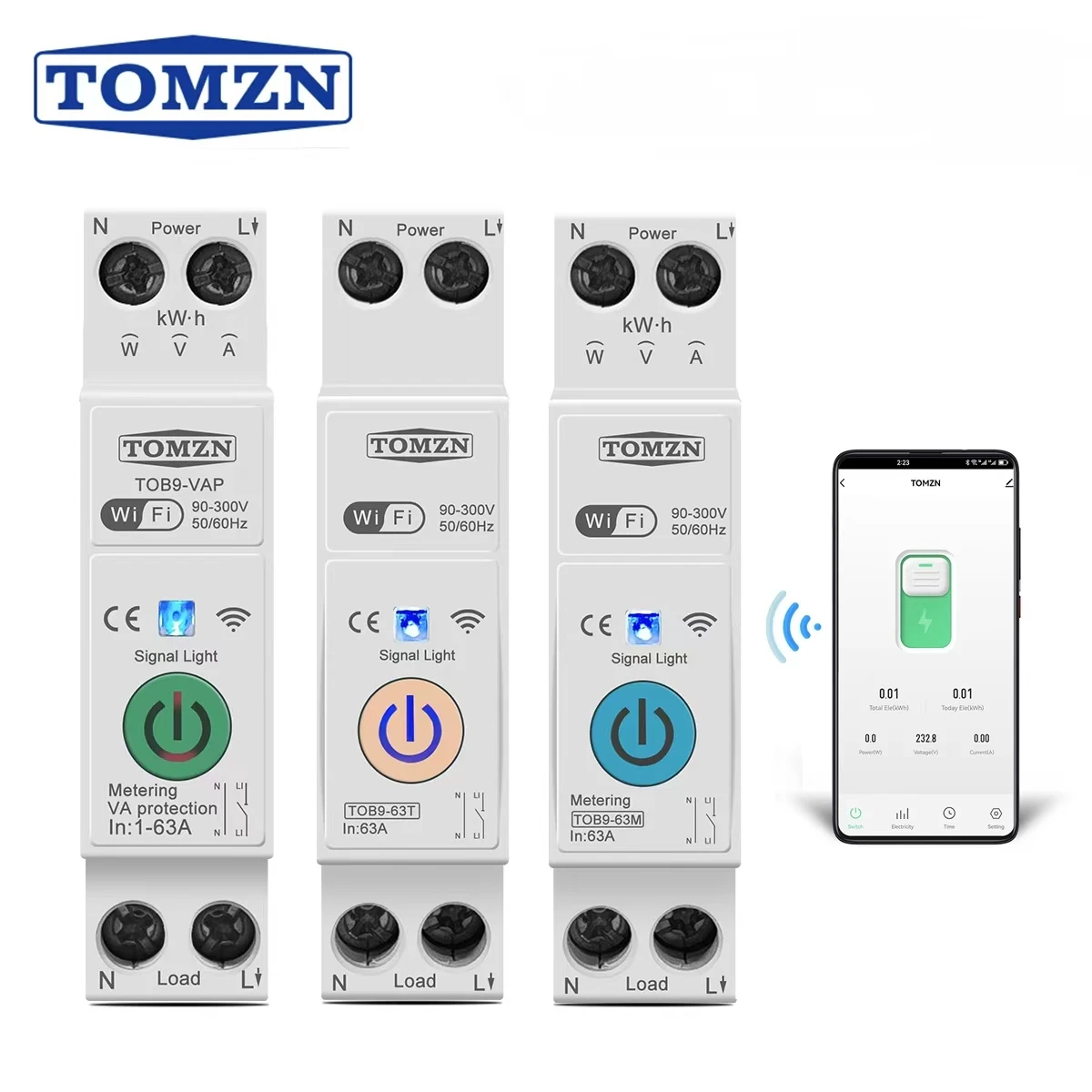
Smart energy meters represent a significant advancement over conventional utility meters, offering homeowners unprecedented control over their electrical systems. These devices integrate seamlessly with home automation platforms, providing detailed consumption reports, peak usage alerts, and the ability to identify energy-hungry appliances. With rising electricity costs and growing environmental consciousness, investing in a quality energy meter has become both a financially sound and environmentally responsible decision for forward-thinking households.
Understanding Smart Energy Meter Technology
Core Components and Functionality
Smart energy meters incorporate advanced microprocessor technology to measure electrical consumption with remarkable precision. These devices utilize current transformers and voltage sensors to capture real-time electrical data, which is then processed and transmitted to connected devices or cloud platforms. The integration of Wi-Fi, Bluetooth, or cellular connectivity enables remote monitoring capabilities, allowing users to track their energy usage from anywhere in the world through dedicated mobile applications or web portals.
The measurement accuracy of modern smart meters typically exceeds traditional mechanical meters, with many models achieving precision levels of 1% or better. This enhanced accuracy ensures that homeowners receive reliable data for making informed energy management decisions. Additionally, these devices often feature built-in data logging capabilities, storing historical consumption patterns for trend analysis and comparison across different time periods.
Communication Protocols and Integration
Contemporary smart energy meters support various communication protocols to ensure compatibility with existing home automation systems. Popular protocols include Zigbee, Z-Wave, Wi-Fi, and cellular networks, each offering distinct advantages depending on the specific installation requirements and infrastructure limitations. Wi-Fi-enabled meters provide the most straightforward installation process, requiring only connection to the home's existing wireless network for immediate functionality.
Integration with smart home ecosystems allows energy meters to trigger automated responses based on consumption thresholds or time-of-use rates. For example, a smart meter can communicate with programmable thermostats to adjust heating or cooling settings during peak rate periods, or send notifications to smart outlets to power down non-essential devices when consumption exceeds predetermined limits.
Benefits of Installing Smart Energy Meters
Cost Reduction and Financial Benefits
One of the most compelling advantages of implementing smart energy meters is the potential for significant cost savings on monthly utility bills. These devices enable homeowners to identify peak usage periods and shift non-essential electrical loads to off-peak hours when electricity rates are typically lower. Studies have shown that households using smart energy monitoring systems can reduce their electricity consumption by 10-15% simply through increased awareness of their usage patterns.
The detailed consumption data provided by smart meters also helps identify malfunctioning appliances or phantom loads that continue drawing power when devices are supposedly turned off. By pinpointing these inefficiencies, homeowners can address issues before they result in substantial increases to their utility bills. Many users report discovering that certain appliances consume significantly more energy than expected, leading to informed decisions about replacement with more energy-efficient models.
Environmental Impact and Sustainability
Beyond financial benefits, smart energy meters contribute to environmental sustainability by promoting conscious energy consumption habits. Real-time feedback on electrical usage encourages households to adopt more eco-friendly behaviors, such as running dishwashers and washing machines during off-peak hours or adjusting thermostat settings to optimize energy efficiency. This behavioral change collectively contributes to reduced strain on electrical grids and lower carbon emissions from power generation facilities.
Smart meters also facilitate the integration of renewable energy sources, such as solar panels or wind turbines, by monitoring both energy consumption and production. This capability enables homeowners to maximize the utilization of self-generated clean energy and potentially sell excess power back to the grid through net metering programs. The data provided by these devices helps optimize the sizing and configuration of renewable energy systems for maximum efficiency and return on investment.
Key Features to Consider When Selecting Energy Meters
Measurement Accuracy and Range
When evaluating energy meters for residential applications, measurement accuracy stands as a critical factor that directly impacts the reliability of consumption data. High-quality meters typically offer accuracy ratings of 1% or better across their entire measurement range, ensuring precise monitoring even during low-power conditions. The measurement range should accommodate the full spectrum of household electrical loads, from standby power consumption to peak demand periods when multiple high-power appliances operate simultaneously.
Modern smart meters often feature multiple measurement modes, including active power, reactive power, apparent power, and power factor monitoring. These comprehensive measurements provide deeper insights into electrical system efficiency and help identify opportunities for power factor correction or load balancing. Some advanced models also offer harmonic analysis capabilities, which can be valuable for households with significant electronic loads that may introduce power quality issues.
Connectivity and Data Management
Robust connectivity options ensure reliable data transmission and seamless integration with existing smart home infrastructure. Wi-Fi connectivity remains the most popular choice for residential applications due to its ease of installation and widespread availability. However, cellular-enabled meters offer advantages in areas with unreliable internet service or for installations where Wi-Fi coverage may be limited.
Cloud-based data management platforms provide secure storage and advanced analytics capabilities that transform raw consumption data into actionable insights. Look for meters that offer comprehensive mobile applications with intuitive interfaces, customizable alerts, and historical trend analysis. Some platforms also provide comparative data showing how your usage compares to similar households in your area, adding valuable context to your consumption patterns.
Installation Considerations and Safety Requirements
Electrical Safety and Code Compliance
Installing an energy meter requires careful attention to electrical safety protocols and local building codes to ensure safe and compliant operation. Most smart meters require installation at the main electrical panel or distribution board, which involves working with high-voltage circuits that pose significant safety risks. Professional installation by a licensed electrician is strongly recommended for most residential applications, particularly for whole-house monitoring systems that connect directly to the main electrical supply.
Proper circuit protection and grounding are essential components of a safe installation. The meter should be protected by appropriately rated circuit breakers or fuses, and all connections must comply with local electrical codes and manufacturer specifications. Additionally, the installation location should provide adequate ventilation and protection from environmental factors that could affect meter performance or safety.
Mounting and Environmental Considerations
The physical mounting location for smart energy meters significantly impacts both functionality and longevity. Indoor installations typically provide the most stable operating environment, protecting sensitive electronics from temperature extremes, moisture, and UV radiation. However, some applications may require outdoor installation, necessitating meters with appropriate IP ratings for weather protection and robust enclosures designed to withstand environmental stresses.
Proper spacing around the meter installation ensures adequate airflow for heat dissipation and allows for future maintenance or upgrades. Consider the proximity to wireless routers or cellular towers if the meter relies on wireless connectivity, as signal strength can significantly impact data transmission reliability. Additionally, ensure that the installation location provides convenient access for periodic maintenance, firmware updates, or troubleshooting activities.
Top Smart Energy Meter Categories
Whole-House Monitoring Systems
Comprehensive whole-house energy monitoring systems provide the most detailed view of residential electrical consumption by measuring total household usage at the main electrical panel. These systems typically include current transformers that clamp around the main electrical feeds, capturing all power flowing into the home. Advanced models can differentiate between individual circuits, providing granular visibility into the consumption of specific areas or appliances within the home.
Whole-house systems excel at identifying overall consumption trends and detecting major changes in electrical usage patterns. They are particularly valuable for households with time-of-use electricity rates, as they can track total consumption during peak and off-peak periods. Many systems also offer load disaggregation features that use machine learning algorithms to identify individual appliances based on their unique electrical signatures, eliminating the need for separate monitoring devices on each circuit.
Individual Circuit Monitoring Solutions
Individual circuit monitoring solutions offer targeted energy tracking for specific electrical circuits or high-consumption appliances. These devices typically install at the circuit breaker level and provide detailed insights into the operation of specific loads such as air conditioning systems, electric water heaters, or electric vehicle charging stations. This granular approach enables precise identification of energy usage patterns and optimization opportunities for individual appliances.
Circuit-level monitoring is particularly beneficial for households seeking to optimize the performance of specific high-energy appliances or to monitor the effectiveness of energy efficiency upgrades. These systems can detect subtle changes in appliance performance that may indicate maintenance needs or declining efficiency. Additionally, individual circuit monitoring supports load balancing efforts and can help prevent circuit overloads by providing real-time current monitoring with customizable alert thresholds.
Advanced Features and Smart Home Integration
Artificial Intelligence and Predictive Analytics
Modern smart energy meters increasingly incorporate artificial intelligence and machine learning capabilities to provide predictive analytics and automated optimization recommendations. These advanced systems analyze historical consumption patterns, weather data, and occupancy schedules to predict future energy usage and identify opportunities for efficiency improvements. AI-powered meters can automatically adjust connected devices to minimize energy consumption while maintaining comfort and convenience levels.
Predictive maintenance features use consumption pattern analysis to identify potential equipment problems before they result in failures or significant energy waste. For example, an AI-enabled energy meter might detect gradual increases in HVAC energy consumption that indicate declining system efficiency or impending component failures. This proactive approach helps homeowners address maintenance issues before they impact comfort or result in costly emergency repairs.
Integration with Renewable Energy Systems
Smart energy meters play a crucial role in optimizing renewable energy systems by providing bi-directional monitoring capabilities that track both energy consumption and production. Solar panel installations particularly benefit from integrated monitoring that displays real-time generation data alongside consumption information, enabling homeowners to maximize self-consumption of generated power. This integration helps optimize battery storage systems and electric vehicle charging schedules to take advantage of peak solar production periods.
Advanced meters can automatically coordinate with grid-tie inverters and battery management systems to implement sophisticated energy management strategies. During periods of excess solar production, the system might prioritize charging electric vehicles or energy storage systems, while during peak demand periods, it can seamlessly switch to battery power or reduce non-essential loads. This intelligent coordination maximizes the financial and environmental benefits of renewable energy investments.
FAQ
How accurate are smart energy meters compared to utility company meters?
Smart energy meters typically achieve accuracy levels of 1-2%, which often exceeds the accuracy of traditional utility meters. However, it's important to note that smart meters measure consumption at different points in the electrical system. Utility meters measure total power delivered to your home, while smart meters installed at the main panel measure power after it passes through the utility meter. Small differences between readings are normal due to power losses in the service entrance wiring and the measurement location differences.
Can smart energy meters help reduce my electricity bill?
Yes, smart energy meters can significantly help reduce electricity bills through increased awareness and automated optimization. Studies show that households using smart energy monitoring systems typically reduce consumption by 10-15% simply through behavioral changes prompted by real-time usage feedback. Additional savings come from identifying phantom loads, optimizing time-of-use rate schedules, and detecting inefficient appliances that may need replacement or maintenance.
Do smart energy meters require professional installation?
Most smart energy meters require professional installation by a licensed electrician, particularly whole-house systems that connect to the main electrical panel. These installations involve working with high-voltage circuits and must comply with local electrical codes for safety and legal compliance. Some plug-in monitors for individual appliances can be installed by homeowners, but main panel installations should always be performed by qualified professionals to ensure safety and proper operation.
What happens to smart energy meter data if my internet connection fails?
Most smart energy meters include local data storage capabilities that continue recording consumption information even during internet outages. When connectivity is restored, the stored data automatically uploads to cloud platforms, ensuring no loss of historical information. Many meters can store several weeks or months of data locally, and some models include cellular backup connectivity options for critical monitoring applications where continuous data transmission is essential.