
 EN
EN
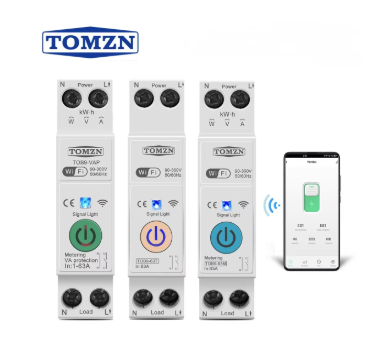
Spannungsschwankungen gehören heute zu den hartnäckigsten und schädlichsten Bedrohungen für industrielle und gewerbliche elektrische Anlagen. Überspannungen, plötzliche Spannungseinbrüche und Phasenungleichgewichte können Geräte schleichend beschädigen, die Lebensdauer von Motoren verkürzen und teure, ungeplante Ausfallzeiten verursachen. A wiederverbindungs-Schutz ist speziell darauf ausgelegt, diese Herausforderungen zu bewältigen, indem es die Versorgungsbedingungen kontinuierlich überwacht und die Stromversorgung nur dann automatisch unterbricht und wiederherstellt, wenn dies sicher möglich ist. Ein Verständnis dafür, wie dieses Gerät funktioniert und warum es von Bedeutung ist, ist unerlässlich für jeden Facility-Manager, Elektroingenieur oder Einkaufsverantwortlichen, der für den Schutz empfindlicher Geräte zuständig ist.
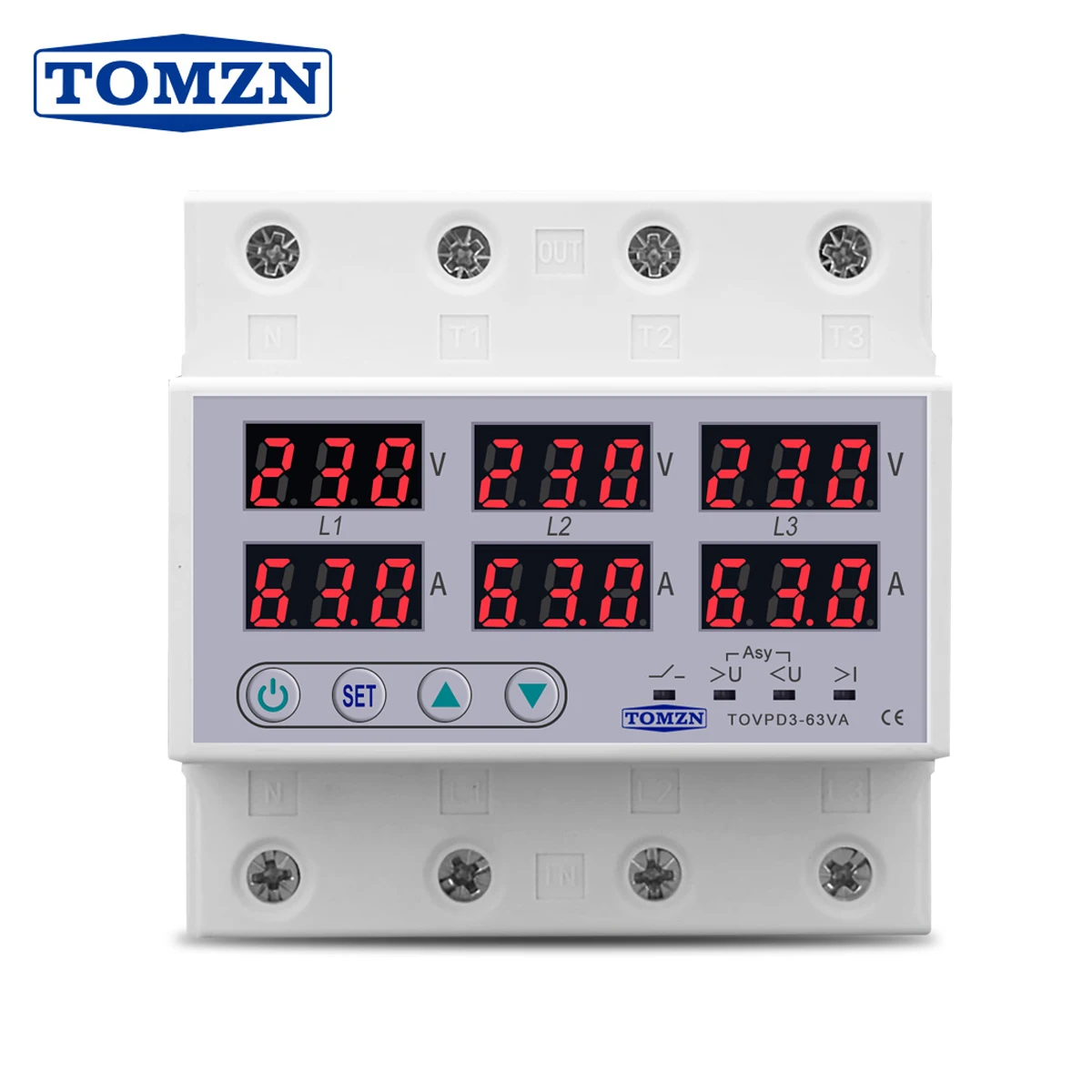
Die Rolle eines wiederverbindungs-Schutz die Funktionen gehen weit über einfache Stromkreisunterbrechungen hinaus. Anders als herkömmliche Sicherungen oder thermische Überlastrelais vereint dieses Gerät Echtzeit-Spannungsmessung, Überstromerkennung und automatische Wiederherstellungslogik in einem kompakten Gehäuse. Bei Erkennung von Versorgungsstörungen trennt es die Last sofort. Sobald sich die Versorgung innerhalb voreingestellter Sicherheitsparameter stabilisiert hat, erfolgt die automatische Wiederverbindung nach einer konfigurierbaren Verzögerung. Dadurch entfällt ein manuelles Eingreifen und das Risiko menschlicher Fehler bei der Wiederherstellung wird minimiert. Diese Kombination aus Schutz- und Wiederherstellungsfunktionen macht den Wiederverbindungsschutz zu einer grundlegenden Komponente moderner elektrischer Schutzsysteme.
Der Kernmechanismus eines Wiederverbindungs-Schutzschalters
Kontinuierliche Spannungsüberwachung und Schwellwertdetektion
Im Kern jedes Wiederverbindungs-Schutzgeräts befindet sich eine präzise Spannungsüberwachungsschaltung, die die eingehende Versorgungsspannung kontinuierlich abtastet. Das Gerät vergleicht die gemessene Spannung mit benutzerdefinierten oberen und unteren Schwellwerten, die in der Regel an die spezifischen Empfindlichkeitsanforderungen der angeschlossenen Last angepasst werden können. Sobald die Versorgungsspannung den Überspannungs-Sollwert überschreitet oder den Unterspannungs-Sollwert unterschreitet, löst das Wiederverbindungs-Schutzgerät innerhalb weniger Millisekunden ein Trennereignis aus.
Diese kurze Reaktionszeit ist entscheidend, da viele Arten elektrischer Schäden nicht durch dauerhafte Störungen, sondern durch kurzzeitige transiente Ereignisse verursacht werden. Ein Spannungsimpuls, der nur einen Bruchteil einer Sekunde andauert, kann bereits ausreichend sein, um die Isolierung von Motorwicklungen zu durchschlagen oder den Speicher eines programmierbaren Steuergeräts zu beschädigen. Indem das Wiederverbindungs-Schutzgerät schneller reagiert als herkömmliche Schutzeinrichtungen, unterbricht es diese Ereignisse, bevor sie zu Hardware-Schäden führen.
Die Einstellbarkeit der Schwellenwerte ist ebenso wichtig. Unterschiedliche Lasten weisen unterschiedliche Toleranzbereiche auf. Ein Heizelement kann beispielsweise einen breiteren Spannungsbereich tolerieren als ein Frequenzumrichter oder eine präzise CNC-Maschine. Die Möglichkeit, die Sollwerte des Wiederverbindungs-Schutzgeräts fein abzustimmen, bedeutet, dass dasselbe Gerät in einer breiten Palette von Anwendungen eingesetzt werden kann, ohne die Genauigkeit des Schutzes zu beeinträchtigen.
Überstromerkennung und Lastschutz
Neben Spannungsanomalien überwacht ein Wiederverbindungs-Schutzgerät mit integriertem Überstromschutz den Strom, den die angeschlossene Last zieht. Sobald der Strom den eingestellten Schwellenwert überschreitet – was beispielsweise durch eine mechanische Blockierung, einen Wicklungskurzschluss oder einen plötzlichen Lastanstieg verursacht werden kann – trennt das Gerät die Schaltung, um thermische Schäden sowohl an der Last als auch an der Verkabelungsinfrastruktur zu verhindern.
Überstromereignisse sind bei Drehstromsystemen besonders gefährlich, da eine Unsymmetrie in einer Phase bewirken kann, dass die verbleibenden Phasen einen unverhältnismäßig hohen Strom führen, wodurch der Isolationsabbau beschleunigt und die Brandgefahr erhöht wird. Ein Wiederverbindungs-Schutzgerät für Drehstromanwendungen überwacht alle Phasen gleichzeitig und stellt sicher, dass ein Fehler an einer beliebigen Phase eine vollständige Systemtrennung auslöst, anstatt einen Teilbetrieb unter unsicheren Bedingungen zuzulassen.
Die Kombination aus Spannungs- und Stromüberwachung innerhalb eines einzigen Wiederverbindungs-Schutzgeräts vereinfacht das Schaltschrankdesign, reduziert die Anzahl der erforderlichen separaten Schutzelemente und schafft eine einheitliche Schutzschicht, die auf mehrere Fehlerarten mit einer einzigen, koordinierten Aktion reagiert.
Wie die automatische Wiederherstellungslogik den betrieblichen Störungen vorbeugt
Die Bedeutung der zeitgesteuerten Wiederverbindung
Eine der betrieblich wertvollsten Funktionen eines Wiederverbindungs-Schutzgeräts ist seine automatische Wiederherstellungsfunktion. Nachdem ein Fehlerzustand behoben ist und die Versorgungsspannung wieder innerhalb des zulässigen Bereichs liegt, stellt das Gerät die Verbindung nicht sofort wieder her. Stattdessen wartet es eine konfigurierbare Verzögerungszeit ab, bevor es die Stromversorgung der Last wieder aufnimmt. Diese Verzögerung erfüllt mehrere wichtige Zwecke, die in grundlegenden Schutzdiskussionen oft unterschätzt werden.
Erstens ermöglicht die Verzögerung, dass transiente Störungen vollständig abklingen, bevor die Last wieder mit Strom versorgt wird. Eine Stromversorgung, die kurzfristig wieder einspringt, bevor sie erneut ausfällt, würde ohne Verzögerung zu wiederholtem Ein- und Ausschalten führen – was selbst für Schütze, Motoren und andere elektromechanische Komponenten schädlich ist. Die zeitgesteuerte Wiederherstellungslogik des Wiederverbindungs-Schutzgeräts verhindert dieses Schaltzyklusverhalten und stellt sicher, dass die Wiederverbindung erst dann erfolgt, wenn die Stromversorgung nachweislich eine dauerhafte Stabilität aufweist.
Zweitens bietet die Verzögerung Zeit dafür, dass verbleibende mechanische Energie in Motoren oder Kompressoren abklingt. Das erneute Einschalten eines Motors, der sich aufgrund eines vorherigen Betriebszyklus noch dreht, kann zu erheblichen mechanischen Spannungen und elektrischen Einschaltstromspitzen führen. Die Wiederanschluss-Schutzvorrichtung verfügt über eine eingebaute Wiederanschlussverzögerung, die als integrierter Schutz gegen unzulässigen Neustart fungiert und so Verschleiß reduziert sowie die Lebensdauer der Anlage verlängert.
Entfall der manuellen Rücksetzanforderung
In Anlagen, bei denen elektrische Schaltschränke an entfernten oder schwer zugänglichen Standorten installiert sind, führt die Notwendigkeit eines manuellen Rücksetzens nach jedem auslösenden Schutzevent zu einem erheblichen operativen Aufwand. Wartungspersonal muss zum Schaltschrank reisen, sicherstellen, dass alle Bedingungen für einen sicheren Betrieb gegeben sind, und die Stromversorgung manuell wiederherstellen – all dies kostet Zeit und birgt die Gefahr eines vorzeitigen Rücksetzens, bevor der Fehler vollständig behoben ist.
Ein Wiederverbindungs-Schutzgerät mit automatischer Wiederherstellung eliminiert diese Abhängigkeit vollständig. Sobald das Gerät bestätigt, dass die Versorgungsbedingungen wieder normal sind und die konfigurierte Verzögerung abgelaufen ist, stellt es die Stromversorgung ohne jeglichen manuellen Eingriff wieder her. Dies ist insbesondere in unbemannten Umspannwerken, entfernten Pumpstationen, landwirtschaftlichen Bewässerungssystemen sowie in allen Anwendungen von großem Wert, bei denen ein kontinuierlicher Betrieb ohne vor-Ort-Personal erwartet wird.
Die Funktion der automatischen Wiederherstellung unterstützt zudem die Ziele der Geschäftskontinuität. In Fertigungsumgebungen, in denen Produktionslinien nach einer Störung der Stromversorgung schnell wieder in Betrieb genommen werden müssen, ermöglicht das Wiederverbindungs-Schutzgerät einen schnelleren Neustart, ohne dass manuelle Eingriffe als Engpass wirken – wodurch die Gesamtdauer einer ungeplanten Ausfallzeit und die damit verbundenen finanziellen Auswirkungen reduziert werden.
Anwendungen, bei denen ein Wiederverbindungs-Schutzgerät den höchsten Nutzen bietet
Schutz für Drehstrommotoren und Pumpen
Elektromotoren gehören zu den am häufigsten verwendeten und zugleich anfälligsten Lasten in industriellen Umgebungen. Sie reagieren empfindlich sowohl auf Überspannungen als auch auf Unterspannungen und sind besonders anfällig für Schäden durch Phasenausfall, der eintritt, wenn eine der drei Versorgungsphasen unterbrochen wird, während die beiden anderen weiterhin unter Spannung stehen. Ein Wiedereinschalt-Schutzgerät, das für die Überwachung dreiphasiger Netze konfiguriert ist, erkennt einen Phasenausfall als Unterspannungs- oder Ungleichgewichtsbedingung und trennt den Motor ab, bevor Schäden durch Betrieb mit nur einer Phase entstehen können.
Pumpensysteme stellen eine zusätzliche Herausforderung dar, da sie häufig über längere Zeiträume unbeaufsichtigt betrieben werden. Eine Pumpe, die mit einer degradierten Stromversorgung läuft, kann weiterhin in Betrieb bleiben, während ihre Motorwicklungen überhitzten und schließlich so versagen, dass eine teure Neuwicklung oder ein vollständiger Austausch erforderlich ist. Der Einsatz eines Wiedereinschalt-Schutzgeräts in jedem Pumpenstromkreis bietet eine kontinuierliche Überwachung, die ein menschlicher Bediener realistischerweise nicht aufrechterhalten kann, und stellt sicher, dass die Pumpe stets innerhalb sicherer elektrischer Parameter arbeitet.
Klimakompressoren, Förderbandantriebe und industrielle Lüfter weisen ähnliche Anfälligkeitsprofile auf und profitieren von derselben Schutzlogik. In jedem Fall fungiert das Wiedereinschalt-Schutzgerät als ständig aktiver Wächter, der schneller und konsistenter reagiert als jede manuelle Überwachungsmethode.
Gewerbliche und leichte industrielle Stromverteilung
In gewerblichen Gebäuden, Einzelhandelsumgebungen und leichten Industrieanlagen wird die elektrische Versorgung häufig von mehreren Mietern oder Produktionszonen gemeinsam genutzt, wodurch sie stärker anfällig für Spannungsschwankungen durch benachbarte Lasten wird. Das Anfahren großer Motoren, Schweißgeräte sowie veränderliche Lasten im selben Verteilungsnetz können Spannungseinbrüche verursachen, die empfindliche Geräte an anderen Stellen des Gebäudes beeinträchtigen.
Die Installation eines Wiederverbindungs-Schutzgeräts am Verteilerkasten oder an einzelnen leistungsschalter positionen bietet eine lokale Schutzschicht, die empfindliche Lasten vor Versorgungsstörungen isoliert, die an anderer Stelle des Netzes entstehen. Dieser Ansatz ist gezielter und kosteneffizienter, als die gesamte Stromversorgung konditionieren zu wollen, und stellt sicher, dass kritische Geräte wie Kühlaggregate, Serverräume und präzise Fertigungswerkzeuge geschützt sind – unabhängig davon, was andere Lasten im selben Netz bewirken.
Die kompakte Bauform moderner Wiederverbindeschutzgeräte ermöglicht eine einfache Integration in bestehende Schaltschranklayouts, ohne dass umfangreiche Neuplanungen erforderlich sind. Dank ihrer Kompatibilität mit der DIN-Schiene und standardisierter Anschlusskonfiguration können sie mit minimalem Aufwand in bestehende Installationen nachgerüstet werden, ohne den laufenden Betrieb nennenswert zu stören.
Auswahl und Konfiguration eines Wiederverbindeschutzgeräts für Ihr System
Abstimmung der Geräte-Nennwerte auf die Lastanforderungen
Die Auswahl des richtigen Wiederverbindeschutzgeräts beginnt mit einem klaren Verständnis der elektrischen Eigenschaften der Last. Das Gerät muss für den maximalen Dauerstrom der Last ausgelegt sein und über ausreichend Spielraum verfügen, um Einschaltstromspitzen ohne unzulässiges Auslösen zu bewältigen. Bei Motorlasten kann der Einschaltstrom das Sechs- bis Achtfache des Nennstroms im Dauerbetrieb betragen; daher muss die Überstromauslöseschwelle des Wiederverbindeschutzgeräts oberhalb dieses Wertes liegen, gleichzeitig aber weiterhin einen wirksamen Schutz vor echten Fehlerzuständen gewährleisten.
Die Nennspannung ist ebenso wichtig. Der Wiederverbindungs-Schutzschalter muss mit der Nennversorgungsspannung des Systems kompatibel sein, unabhängig davon, ob es sich um einen einphasigen 230-V-Kreis oder um ein dreiphasiges Verteilungssystem mit 380 V bis 415 V handelt. Geräte für dreiphasige Anwendungen überwachen in der Regel alle drei Phasen unabhängig voneinander und bieten damit in Mehrphasen-Installationen einen umfassenderen Schutz als ihre einphasigen Entsprechungen.
Der einstellbare Bereich der Spannungsschwellen sollte zudem anhand der bekannten Versorgungsqualität am Installationsort bewertet werden. In Gebieten mit einer historisch schlechten Spannungsregelung können breitere Schwellenbereiche erforderlich sein, um ein übermäßiges Auslösen zu vermeiden; in stabilen Versorgungsumgebungen hingegen können engere Schwellenwerte verwendet werden, um einen präziseren Schutz zu gewährleisten.
Installationsüberlegungen und bewährte Verfahren für die Inbetriebnahme
Eine fachgerechte Installation eines Wiedereinschalt-Schutzgeräts erfordert die Berücksichtigung sowohl elektrischer als auch mechanischer Faktoren. Das Gerät ist an einem Ort zu montieren, der eine ausreichende Belüftung gewährleistet und vor starker Vibration, Feuchtigkeit sowie extremen Temperaturen schützt. Die Montage auf einer DIN-Schiene in einem entsprechend zugelassenen Gehäuse ist bei den meisten industriellen und gewerblichen Anwendungen der Standardansatz.
Während der Inbetriebnahme sind die Spannungsschwellen und die Wiederherstellungsverzögerung anhand der tatsächlich gemessenen Versorgungsbedingungen und nicht anhand der Nennwerte einzustellen. Die Verwendung eines Netzqualitätsanalysegeräts zur Charakterisierung der Stromversorgung vor der Einstellung der Schwellenwerte stellt sicher, dass das Wiedereinschalt-Schutzgerät an die tatsächlichen Betriebsbedingungen und nicht an theoretische Spezifikationen angepasst wird. Dieser Schritt ist insbesondere in Einrichtungen mit bekannten Problemen bezüglich der Netzqualität von großer Bedeutung.
Nach der Installation sollte der Wiederverbindungs-Schutz durch das Simulieren von Fehlerbedingungen in einer kontrollierten Umgebung getestet werden, um sicherzustellen, dass er korrekt reagiert und die Wiederherstellungsverzögerung wie erwartet funktioniert. Die Dokumentation der konfigurierten Einstellungen und der Testergebnisse liefert eine Grundlage für zukünftige Wartungs- und Fehlersuchmaßnahmen.
Häufig gestellte Fragen
Was ist der Unterschied zwischen einem Wiederverbindungs-Schutz und einem Standard-Leistungsschalter?
Ein Standard-Leistungsschalter schützt vor Überstrom und Kurzschluss, überwacht jedoch nicht die Qualität der Versorgungsspannung. Ein Wiederverbindungs-Schutz überwacht hingegen sowohl Spannungspegel als auch Strom gleichzeitig und trennt die Last ab, sobald die Spannung außerhalb zulässiger Grenzen liegt; er stellt die Stromversorgung automatisch wieder her, sobald sich die Bedingungen normalisiert haben. Dadurch stellt der Wiederverbindungs-Schutz eine umfassendere Schutzmöglichkeit für geräte dar, die empfindlich auf Netzschwankungen reagieren.
Kann ein Wiederverbindungs-Schutz sowohl in einphasigen als auch in dreiphasigen Systemen eingesetzt werden?
Ja, Wiederverbindungs-Schutzgeräte sind sowohl in einphasiger als auch in dreiphasiger Ausführung erhältlich. Dreiphasenmodelle überwachen alle Phasen unabhängig voneinander und können Phasenausfall, Phasenungleichgewicht sowie spannungsbedingte Anomalien pro Phase erkennen; sie sind daher die bevorzugte Wahl für den Motorschutz und für industrielle Stromverteilungsanwendungen. Einphasenmodelle eignen sich für Wohn- und leichte Gewerbeanwendungen, bei denen nur eine Phase vorhanden ist.
Wie stelle ich die richtigen Spannungsschwellen an einem Wiederverbindungs-Schutzgerät ein?
Die korrekten Schwellenwerte hängen von der Nennversorgungsspannung und dem Toleranzbereich der angeschlossenen Last ab. Als allgemeiner Ausgangspunkt sind für die meisten Motoren- und Allzwecklasten ein Überspannungsschwellenwert von 10 bis 15 Prozent über der Nennspannung und ein Unterspannungsschwellenwert von 10 bis 15 Prozent unter der Nennspannung geeignet. Empfindliche elektronische Geräte erfordern möglicherweise engere Toleranzen. Messen Sie stets die tatsächlichen Versorgungsbedingungen, bevor Sie die Einstellungen endgültig festlegen, um unerwünschte Auslösungen oder unzureichenden Schutz zu vermeiden.
Funktioniert die automatische Wiederherstellungsfunktion eines Wiederverbindungs-Schutzgeräts bei wiederholten Versorgungsschwankungen?
Ja, aber die Wiederherstellungsverzögerung spielt eine wichtige Rolle bei der Vermeidung eines schnellen Schaltzyklus. Wenn die Stromversorgung wiederholt schwankt, trennt der Wiederverbindungs-Schutz jedes Mal bei Erkennung einer Störbedingung die Verbindung und versucht erst dann erneut, eine Verbindung herzustellen, wenn die Stromversorgung über die gesamte konfigurierte Verzögerungsdauer stabil geblieben ist. Dadurch wird der schädliche Verbindungs-Trennungs-Zyklus verhindert, der Schütze und Motoren beschädigen kann, und sichergestellt, dass die Wiederverbindung nur erfolgt, wenn die Stromversorgung tatsächlich stabil geworden ist.
Inhaltsverzeichnis
- Der Kernmechanismus eines Wiederverbindungs-Schutzschalters
- Wie die automatische Wiederherstellungslogik den betrieblichen Störungen vorbeugt
- Anwendungen, bei denen ein Wiederverbindungs-Schutzgerät den höchsten Nutzen bietet
- Auswahl und Konfiguration eines Wiederverbindeschutzgeräts für Ihr System
-
Häufig gestellte Fragen
- Was ist der Unterschied zwischen einem Wiederverbindungs-Schutz und einem Standard-Leistungsschalter?
- Kann ein Wiederverbindungs-Schutz sowohl in einphasigen als auch in dreiphasigen Systemen eingesetzt werden?
- Wie stelle ich die richtigen Spannungsschwellen an einem Wiederverbindungs-Schutzgerät ein?
- Funktioniert die automatische Wiederherstellungsfunktion eines Wiederverbindungs-Schutzgeräts bei wiederholten Versorgungsschwankungen?